







Redefining the Travel ‘Flex’
For years, the ultimate travel brag was about the most luxurious hotel or the most exotic, far-flung destination. But the game has changed. Today’s savvy traveller knows that the real flex isn’t about how much you spend, but how much value you get. It’s
about experiencing a five-star destination on a three-star budget, having a world-famous monument almost to yourself, and making memories that aren’t tainted by long queues and inflated prices. Off-season travel is no longer a compromise; it’s a strategic choice for those who prioritise experience over expectation. It's the quiet confidence of knowing you’ve outsmarted the system.
More Than Just Saving Money
The most obvious benefit of off-season travel is the financial relief. Flights can be 25-50% cheaper, and hotels often run significant discounts to fill rooms. But the perks go far beyond your wallet. Imagine strolling through the alleys of a Rajasthani fort without a throng of tourists, or finding a spot on a Goan beach without having to navigate a sea of sunbathers. This is the reality of the off-season. You get better photos, for one. You also get a chance to interact with locals who aren’t exhausted by peak-season fatigue. The pace is slower, the atmosphere is more relaxed, and you get a glimpse of a place as it truly is, not as it performs for tourists.
Domestic Delights, Minus the Crowds
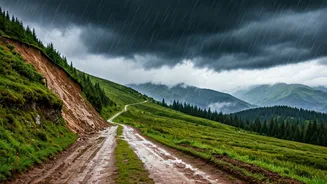
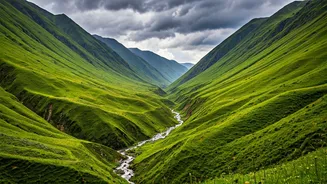
India’s diverse landscape offers incredible off-season opportunities. Consider Goa during the monsoon (June to September). The lush greenery is breathtaking, the vibe is incredibly romantic, and you can enjoy chic cafes and bars without the December crowds. Or think about Rajasthan during its shoulder months like August and September. While it’s warm, the crowds have thinned, and you can explore the magnificent forts of Jaipur and Udaipur in relative peace. Even the hills have a secret season. Visiting places like Shimla or Manali just after the peak winter rush or before the summer madness (think March-April or September-October) offers pleasant weather and serene landscapes.
Go Global, Get Smart
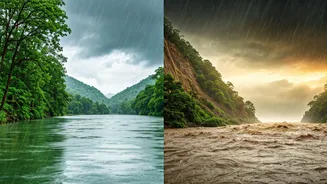
The off-season principle works wonders for international travel, too. Dreaming of Europe? Instead of the chaotic summer, try visiting in the autumn (September to November). The weather is crisp, the fall colours are stunning, and cities like Paris, Rome, and Prague feel more intimate. You can score amazing deals on flights and accommodation. For Southeast Asia, the so-called ‘green season’ (the rainy season) can be a fantastic time to visit countries like Thailand or Vietnam. The rain often comes in short, predictable bursts, leaving the rest of the day fresh and cool. The landscape is at its most vibrant, and tourist hotspots are blissfully quiet. Even Dubai, known for its scorching summer, offers unbeatable deals on luxury hotels and indoor attractions for those willing to brave the heat between June and August.
How to Plan Your Escape
Ready to embrace the off-season? A little planning goes a long way. Start by being flexible with your dates; use flight aggregators like Skyscanner or Google Flights to view prices across a whole month to spot the cheapest time to fly. Research the specific weather patterns of your destination’s off-season. A ‘rainy season’ might just mean a brief afternoon shower, not a constant downpour. Look for local festivals or events that might be happening during this time—they often provide a more authentic cultural experience than tourist-trap festivals. Finally, connect with the destination. Follow local tourism boards or hotels on social media, as they often post their best deals during the quieter months.