



Saturn Takes Centre Stage
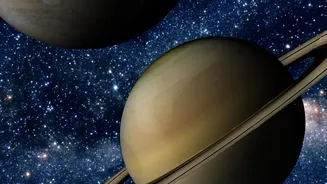
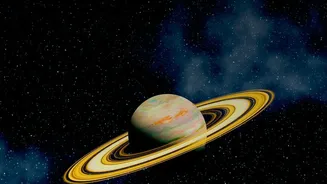
October’s biggest planetary event happens early in the month. On October 4, Saturn will be at opposition, meaning Earth is positioned directly between the sun and the ringed planet. This alignment makes Saturn appear at its biggest and brightest for the entire
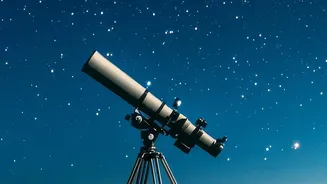
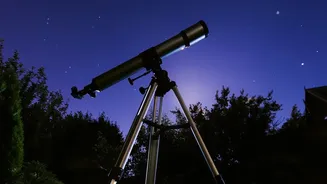
year, rising in the east around sunset and remaining visible all night long. While you can spot its steady, yellowish light with the naked eye, even a small telescope will provide a stunning view of its famous rings. The nights surrounding October 4 are also excellent for viewing. Look for it in the southern sky around midnight.
The Draconid Meteor Shower
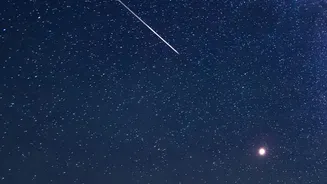
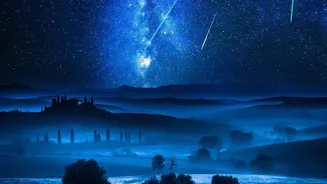
The first of two meteor showers this month, the Draconids, will peak on the night of October 8-9. Unlike many showers that are best seen after midnight, the Draconids are best viewed in the evening, just after darkness falls. The shower’s radiant point—the area of the sky where the meteors appear to originate—is in the constellation Draco the Dragon. While it is typically a modest shower, producing around 5 to 10 meteors per hour, viewing conditions in 2026 are nearly perfect. The shower peaks close to the new moon, which means the sky will be dark and free of moonlight, making it easier to spot the slower-moving shooting stars.
The Orionid Meteor Shower
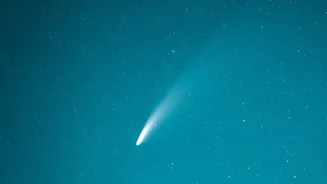
Later in the month, look for the Orionid meteor shower, which will peak on the nights of October 21-22. These meteors are fragments of debris left behind by the famous Halley's Comet. The Orionids are known for being bright and fast, sometimes leaving persistent trails. At its peak, you might see between 15 and 20 meteors per hour under dark skies. This year, a bright waxing gibbous moon will interfere with viewing during the early part of the night. However, the moon sets a few hours before dawn, creating a window of dark skies perfect for watching the show in the pre-dawn hours.
A Full Hunter's Moon
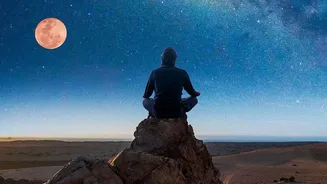
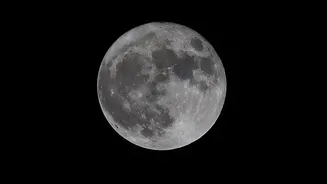
October’s full moon, traditionally known as the Hunter's Moon, will rise on the evening of October 25 and become officially full in the morning of October 26 in India. The name harks back to a time when this full moon signaled the ideal time to hunt in preparation for the coming winter. Because the full moon in India occurs during the daytime on October 26, the best time to enjoy its beauty will be on the evening of Sunday, October 25, as it rises in the east. It will appear large and golden on the horizon, providing a brilliant end to the month's stargazing.
Planets and Constellations
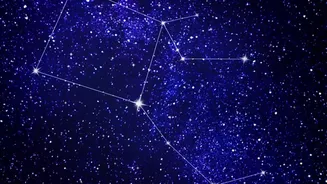
Besides Saturn, other planets are putting on a show. Early risers on October 5 can spot the waning moon near a reddish Mars, and on October 6, it will be close to bright Jupiter in the pre-dawn sky. Venus and Mercury will be low in the west just after sunset early in the month, but may be difficult to spot. As for constellations, the Great Square of Pegasus will be high in the evening sky, a prominent marker of the autumn season. Cassiopeia, with its distinct 'W' shape, will also be easy to find in the northern sky.
Tips For the Best Viewing Experience
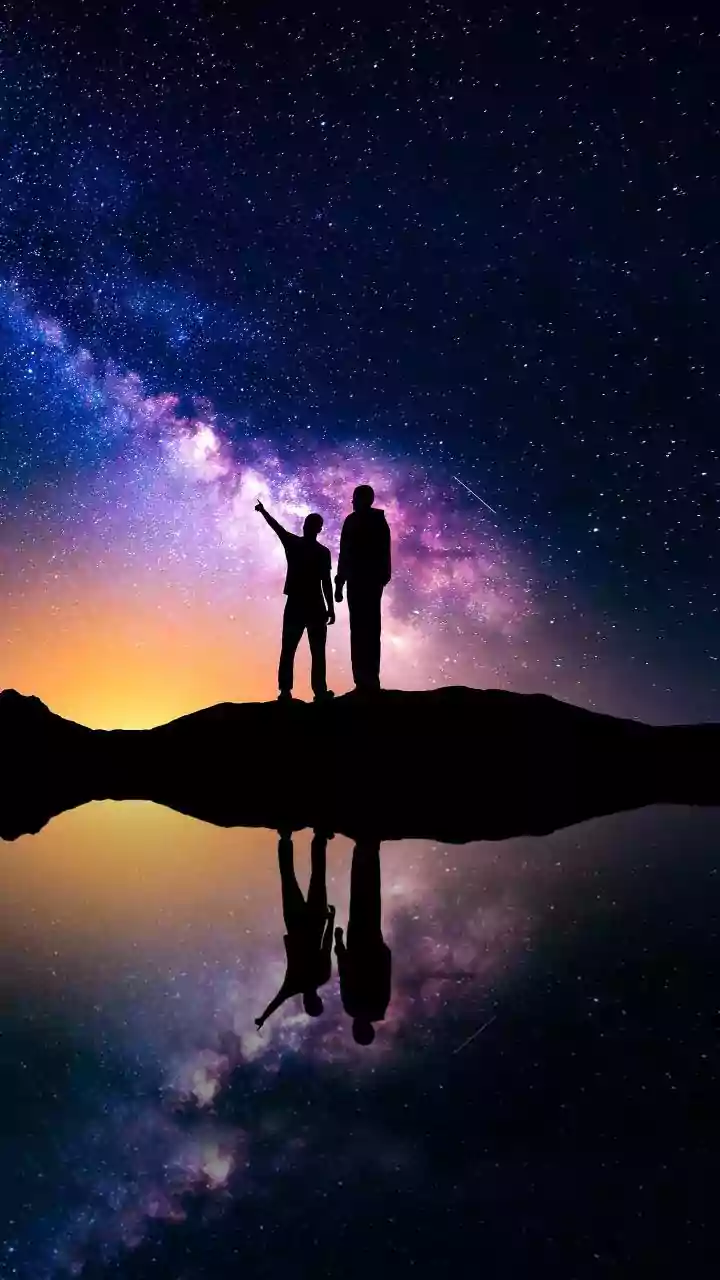
To make the most of these celestial events, find a location away from city lights. Light pollution can wash out all but the brightest objects. Give your eyes about 20-30 minutes to fully adapt to the darkness; this will help you spot fainter meteors and stars. While you don't need a telescope for meteor showers, binoculars can enhance your view of the planets and the moon. Finally, be patient. Stargazing is a waiting game, so get comfortable, bring a warm drink, and enjoy the show unfolding above you.