




A Moving Panorama of Unmatched Views
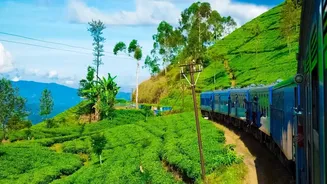
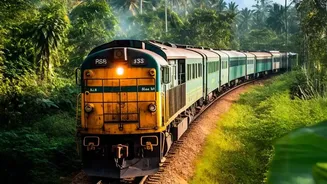
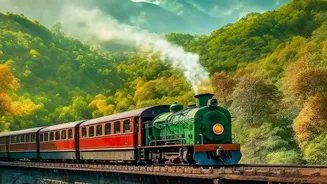
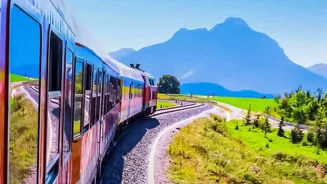
The single greatest advantage of train travel in South India is the breathtaking scenery you simply can't experience from a highway. Buses stick to roads, but trains carve their own paths through spectacular landscapes. Take the famous Konkan Railway
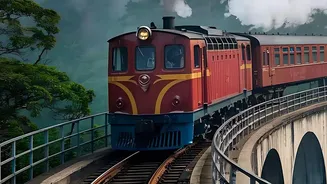
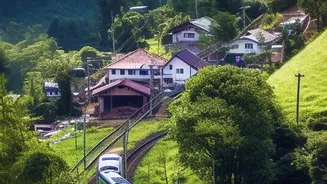
route, which connects the western coast. It’s a journey of over 750 kilometers, running through the Sahyadri mountains on one side and offering glimpses of the Arabian Sea on the other. The route features over 2,000 bridges and 92 tunnels, providing dramatic views of lush valleys, winding rivers, and coastal villages, especially during the monsoon season. Similarly, the Nilgiri Mountain Railway, a UNESCO World Heritage site, is a 'toy train' that slowly winds its way through the tea plantations and misty hills of Tamil Nadu. While a bus ride between the same points might be quicker, it misses the serene, panoramic beauty that makes the train journey an attraction in itself.
The Economics of Comfortable Travel
For budget travelers, every rupee counts, and trains consistently offer better value for money on longer routes. While a short-distance bus ticket might seem cheaper at first glance, the basic Sleeper Class on an Indian Railways train is often the most economical way to cover significant distances. This is especially true for overnight journeys, where a sleeper berth on a train allows travelers to save on a night's accommodation. When comparing similar levels of comfort, such as an AC sleeper bus versus an AC 3-Tier train coach, the train often provides a more competitive price, particularly if booked in advance. Buses may offer more flexibility for last-minute plans, but trains deliver a superior blend of affordability and space, making them the preferred choice for planned, long-haul trips across the southern states.
Space, Comfort, and a Better Night's Sleep
Comfort is a huge deciding factor, especially on journeys that stretch over several hours. Trains are the undisputed winner here. Unlike the often cramped seating of a bus, trains provide ample legroom and the freedom to walk around, stretch your legs, or stand by the door for fresh air. This mobility is a significant relief on long-distance and overnight trips. Train washrooms are generally more accessible and often better maintained than the facilities at roadside bus stops. For overnight travel, the wider berths and the gentle, rhythmic motion of a train are far more conducive to a good night's sleep than the bumps and sudden stops of a bus on a highway. While modern sleeper buses have improved, offering private berths and curtains, they can't replicate the sense of space and stability that a train compartment provides.
A Journey into the Heart of Culture
A train trip in India is more than just transportation; it's a rich cultural experience. The journey is filled with the sights and sounds of vendors selling everything from steaming chai and coffee to regional snacks at every station stop. These moments offer a genuine taste of local life that a sealed, air-conditioned bus cannot. Trains are social spaces where you can strike up conversations with families, students, and fellow travelers from all walks of life, gaining insights you'd never find otherwise. This immersive social element turns a simple trip into a memorable part of the adventure, allowing travelers to connect with the country on a deeper level. In contrast, bus journeys are often more solitary and focused purely on getting from one point to another.
Practicality and Reaching Remote Corners
The vast Indian Railways network boasts unparalleled connectivity, reaching remote towns and villages that may not have frequent or direct bus services. This extensive reach makes it easier to plan multi-destination itineraries without worrying about navigating complex local bus networks. While buses can be more convenient for reaching specific addresses within a city or towns without a railway station, trains excel at connecting major hubs and distant corners of the region reliably. For travelers planning a comprehensive tour of South India, from the temples of Tamil Nadu to the backwaters of Kerala, the train system provides a dependable and structured backbone for their entire journey. Special tourist trains, like the Bharat Gaurav, even offer all-inclusive pilgrimage packages, simplifying multi-city travel.