

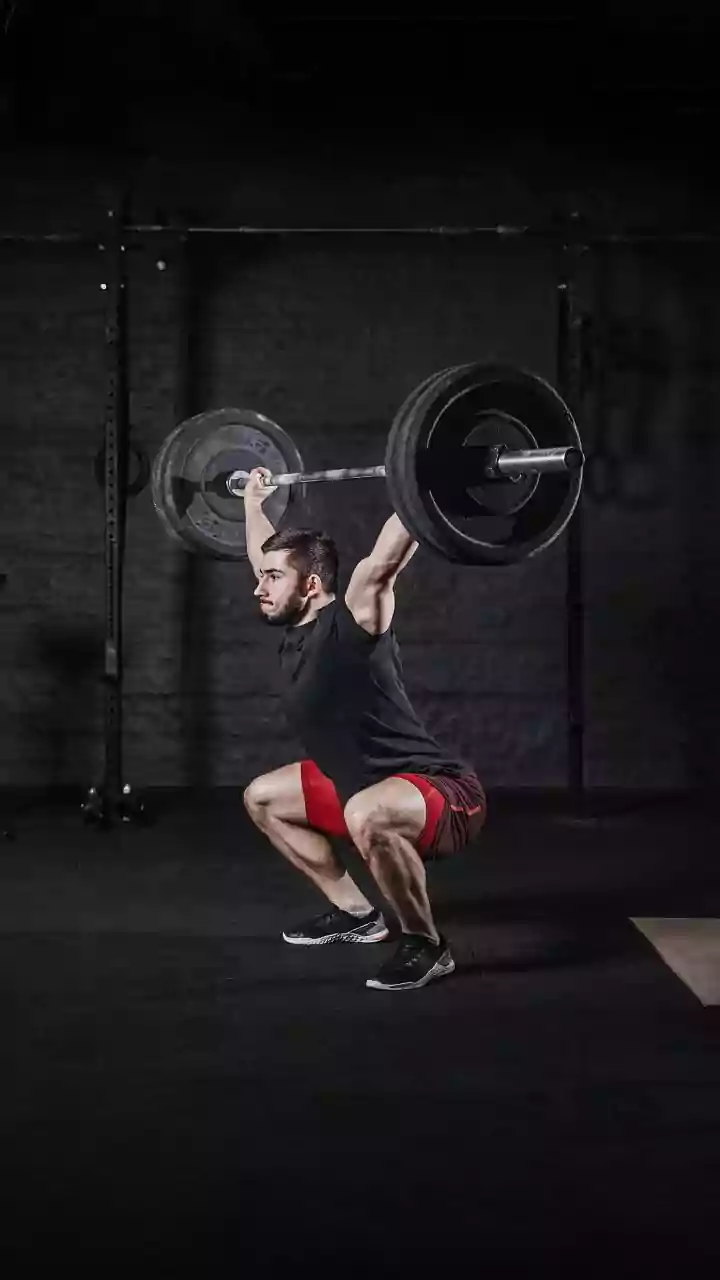
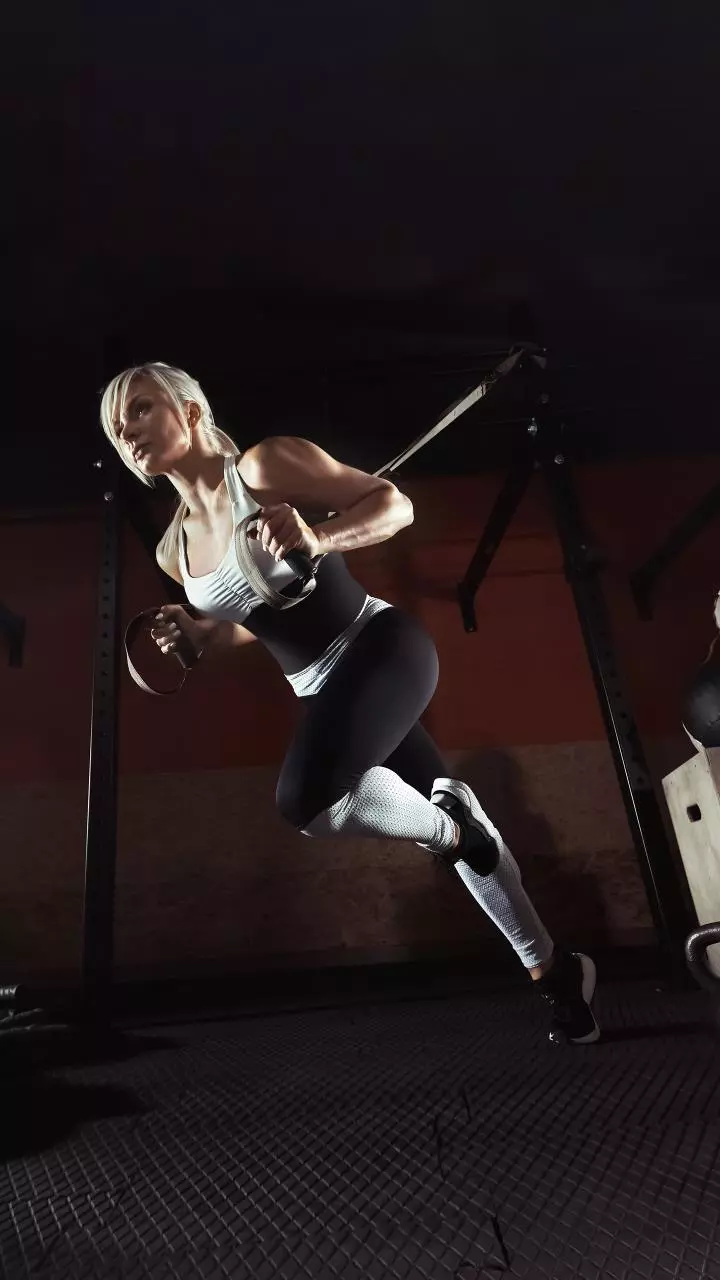




The Rise of the 'Exercise Snack'
The idea that you need to spend an hour in the gym to see results is quickly becoming outdated. A growing body of research supports the benefits of 'micro-workouts' or 'exercise snacks'—short, focused bouts of activity lasting anywhere from one to 15
minutes. These aren't meant to replace longer workouts entirely but to supplement them and, crucially, to break up long periods of inactivity. For those with packed schedules, they offer a practical way to weave fitness into daily life, making it a consistent habit rather than an occasional, time-consuming event. The focus is on consistency and intensity, proving that even small pockets of movement throughout the day can accumulate to deliver significant health benefits.
Why Short Bursts of Strength Matter
While a daily walk is excellent for cardiovascular health, it primarily targets aerobic fitness. Adding short bursts of strength training complements this by building and maintaining muscle mass, which is crucial for a healthy metabolism and strong bones. Research shows that these brief, intense sessions can improve insulin sensitivity, helping your body regulate blood sugar more effectively. This is particularly beneficial when done before a meal, as it can help reduce post-meal glucose spikes. Other science-backed benefits include improved blood pressure, better mood through the release of endorphins, and enhanced overall physical function, making everyday activities easier.
A Perfect Fit for Every Lifestyle
The beauty of short workouts is their accessibility. They lower the barrier to entry for people who find gyms intimidating, are new to exercise, or are returning after a break. For older adults, these brief sessions are particularly effective for countering age-related muscle loss and improving balance without excessive strain. You don’t need fancy equipment; many effective routines rely solely on bodyweight. By focusing on small, achievable goals, you're more likely to stick with the program long-term, which is the most important factor in any fitness journey.
Your 10-Minute Strength Blueprint
Ready to try it? The key is to focus on compound movements that work multiple muscle groups at once. This maximizes efficiency. Here’s a simple, equipment-free circuit you can do almost anywhere. Perform each exercise for 45 seconds, followed by 15 seconds of rest, and repeat the circuit two times: 1. Bodyweight Squats: Stand with feet shoulder-width apart and lower your hips as if sitting in a chair, keeping your chest up. 2. Wall Push-Ups: Place your hands on a wall, step your feet back, and perform a push-up. To make it harder, use a desk or do them from your knees on the floor. 3. Lunges: Step one foot forward and lower your hips until both knees are bent at a 90-degree angle. Alternate legs. 4. Plank: Hold a push-up position, keeping your body in a straight line from head to heels. Engage your core. This entire routine takes just 8 minutes, but you can add other exercises like jumping jacks or high knees to reach 10 minutes.
Integrating Strength Snacks into Your Day
The secret to making this work is habit stacking—linking your new micro-workout to an existing daily routine. Try doing a set of squats while your morning tea brews. Perform some wall push-ups before you take a shower. Use a commercial break during your favourite show to hold a plank. Set a timer to get up from your desk every hour for a minute of stretching or leg raises. The goal is to make movement a natural part of your day, not a chore you have to schedule. Start small with one or two 'snacks' a day and build from there. Consistency is far more important than intensity when you're starting out.