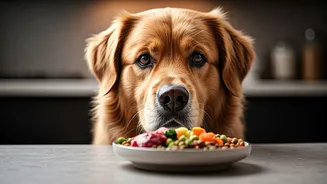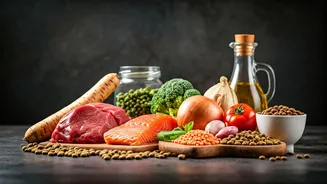






What is Fresh Pet Food?
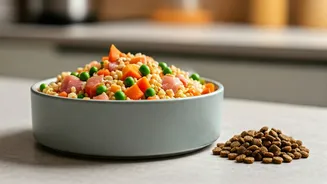
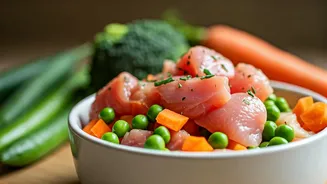
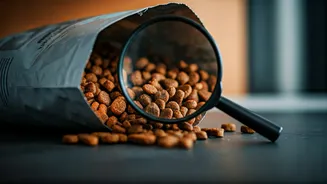
Fresh pet food consists of meals made from whole, recognizable ingredients like real meat, vegetables, and grains that are gently cooked. This method is different from kibble, which is produced by high-heat extrusion that transforms ingredients into dry,
shelf-stable pellets. The goal of fresh food is to remain closer to its natural state, preserving nutrients and moisture. These meals are then typically refrigerated or frozen. This approach is distinct from raw food diets, which involve uncooked ingredients and carry a higher risk of bacterial contamination. Many commercial fresh diets in India are formulated by veterinary nutritionists to ensure they are complete and balanced.
The Potential Health Perks
Proponents of fresh feeding point to several key benefits. A major one is higher moisture content—fresh food is often over 70% water, whereas kibble is around 10%. This helps with hydration, which is especially important in India's hot climate. Many owners also report improved digestion, often resulting in smaller, firmer stools because the food is more easily absorbed by the body. The high palatability of fresh food, with its natural aromas and textures, can be a blessing for picky eaters or senior pets with decreased appetites. Some also notice healthier skin and a shinier coat.
Risks and Important Considerations
The biggest risk, especially with homemade diets, is nutritional imbalance. It's difficult to meet a pet's complex needs for specific amino acids, vitamins, and minerals without a properly formulated recipe. Studies have shown that a high percentage of homemade recipes are deficient in at least one essential nutrient. If you're preparing food at home, there's also a risk of bacterial contamination from raw meat if not handled correctly. It’s also crucial to avoid ingredients that are toxic to pets, such as onions, garlic, and certain sweeteners. For these reasons, many veterinarians recommend using recipes developed by a board-certified veterinary nutritionist if you choose the DIY route.
The Reality of Cost and Convenience
There's no question that kibble wins on cost and convenience. It's shelf-stable, easy to store, and significantly cheaper on a per-day basis. Fresh food requires fridge or freezer space and has a shorter shelf life. The price difference is substantial because fresh food uses human-grade ingredients and involves more complex preparation and storage. Depending on your dog's size, a fresh food diet can cost two to ten times more than kibble. However, some pet parents find the cost is an investment in their pet's long-term health, potentially reducing vet bills for diet-related issues down the line.
How to Get Started Safely
If you're considering a switch, the first and most important step is to talk to your veterinarian. They can help you determine if a fresh diet is appropriate for your pet's age, breed, and any existing health conditions. If you opt for homemade meals, ask your vet for a referral to a veterinary nutritionist to create a balanced recipe. Alternatively, you can explore commercial fresh food brands, which are becoming more common in India. Look for companies that employ veterinary nutritionists and follow AAFCO guidelines for a complete and balanced diet. A hybrid approach, like using fresh food as a topper on kibble, can be a good way to boost nutrition and palatability without fully committing to the higher cost.