

Start with the Origin
Just as with wine, where a tea is grown has a massive impact on its flavour. This concept is called 'terroir', and it includes factors like soil, climate, and altitude. A tea’s packaging should ideally tell you its country and region of origin. Teas are
often named after their growing region, such as Assam and Darjeeling from India, or Keemun from China. High-altitude teas often grow slower, developing more complex and aromatic flavours, while those from lower, warmer regions can be more robust and full-bodied. Knowing the origin gives you a clue about the authentic taste you can expect.
Examine the Leaves
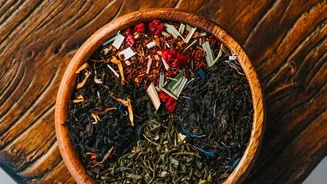
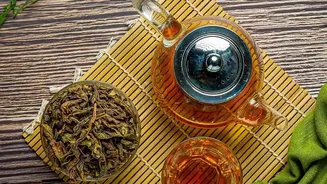
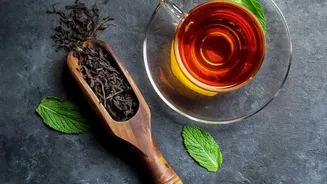
Before you even brew it, the appearance of the dry leaf tells you a lot. High-quality specialty tea usually consists of whole or large, recognizable leaf pieces. Avoid teas that look like fine dust or powder, as these are typically lower-grade fannings used in mass-market tea bags. The leaves should feel sturdy and smooth, not brittle or crumbly. A vibrant, natural colour and a fresh, distinct aroma are also signs of quality. If the leaves look dull or smell stale, the tea is likely old.
Understand the Grade
Tea grading can seem complex, with acronyms like 'TGFOP' (Tippy Golden Flowery Orange Pekoe), but the basics are straightforward. Grading primarily describes the size and style of the leaf—whether it's a whole leaf, a broken leaf, or fannings. Higher grades, often featuring the young buds or 'tips' of the plant, tend to be more delicate, smooth, and complex in flavour. Lower, broken-leaf grades infuse more quickly and produce a stronger, more robust brew, which is often preferred for breakfast teas. The grade isn't a simple measure of good or bad, but an indication of the tea's character.
Scrutinise the Ingredients List
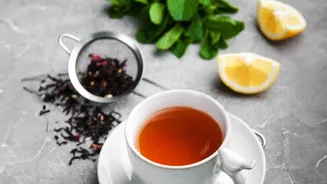
When buying flavoured or blended teas, the ingredients list is your best friend. Look for teas that use real, whole ingredients like dried fruit pieces, flower petals, and whole spices. Be wary of the term 'flavouring' or 'artificial flavouring'. While some can be fine, they can also be used to mask low-quality tea. The term 'natural flavouring' means the flavour is derived from a natural source, like a plant or fruit, but it has been extracted and processed in a lab. Whenever possible, opt for blends with identifiable, real ingredients for a more authentic and layered taste.
Check for Freshness
Tea is an agricultural product and, with a few exceptions like Pu-erh, it does not improve with age. It will lose flavour and aroma over time. Look for a harvest or packaging date on the container. Generally, loose-leaf tea is best consumed within 6 to 12 months of purchase. The aroma is a great indicator; fresh tea should smell vibrant and distinct to its type—grassy for green tea, or sweet and floral for black tea. If it smells musty or has very little scent, it's past its prime.
Look for Added Sweetness
Many modern tea blends come pre-sweetened, which may not be what you're looking for. Check the ingredient list for additions like sugar, cane sugar, stevia leaf, or monk fruit. Some brands blend sweeteners directly into the tea leaves. While plant-based sweeteners like stevia don't add calories, they can significantly alter the taste profile. Being aware of these additions allows you to control the sweetness and flavour of your cup yourself, ensuring it matches your personal preference.