



The Plastic in Your Pyramid Bag
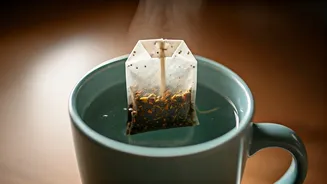
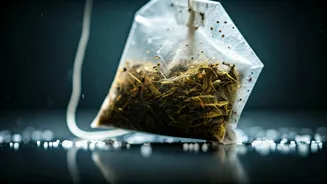
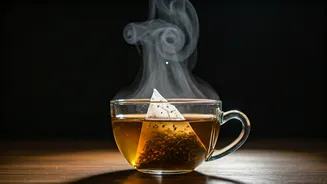
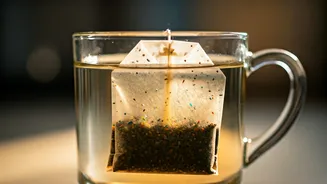
The problem isn't with all tea bags, but specifically with certain types that have become popular in recent years. Many of the fancier, pyramid-shaped 'silken' tea bags are not made of silk at all, but from plastic. These bags are typically made from petroleum-based
plastics like polyethylene terephthalate (PET) or nylon. Additionally, many common paper tea bags, which appear to be plastic-free, are often heat-sealed using polypropylene, a type of plastic, to prevent them from falling apart in hot water. While invisible, this plastic is present in many conventional bags.
Billions of Particles in a Single Cup
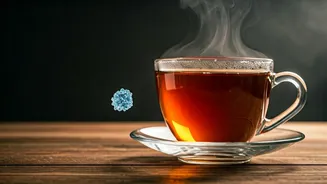
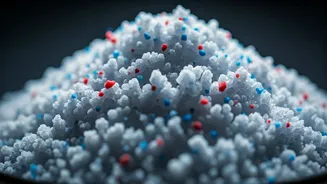
The most significant research on this topic came from McGill University in Canada. The study found that steeping a single plastic tea bag at brewing temperature (around 95°C) can release a shocking number of particles into your cup. Researchers estimated that one cup could contain approximately 11.6 billion microplastics and 3.1 billion smaller nanoplastics. This level of exposure is thousands of times higher than what has been reported in other foods and beverages, including bottled water.
What Are the Health Risks?
This is the crucial question, and the scientific community is still working to find a definitive answer. The long-term health effects of ingesting microplastics are not yet fully understood. However, researchers are concerned about several potential risks. These tiny particles can contain chemical additives used in plastic manufacturing, and they may also accumulate in the body. Animal studies have shown that exposure to micro- and nanoplastics can cause inflammation, oxidative stress, and gut microbiome disruption. One preliminary study noted that water fleas exposed to the particles showed signs of stress and developmental abnormalities. While more human-specific research is urgently needed, the initial findings have raised red flags for medical professionals.
Even 'Bioplastics' Are a Concern
In response to consumer concerns, many companies have shifted from petroleum-based plastics to polylactic acid (PLA), a so-called 'bioplastic' often derived from corn starch or sugarcane. While marketed as a greener alternative, PLA is still a type of plastic. It requires industrial composting facilities to break down and does not readily biodegrade in a home compost pile or in the natural environment. Critically, studies have shown that these bioplastic bags can also shed microplastic particles when steeped in hot water, meaning they don't eliminate the core problem of plastic ingestion.
How to Brew a Plastic-Free Cup
The good news is that avoiding microplastics in your tea is relatively straightforward. The simplest method is to switch to loose-leaf tea. Using a metal or ceramic infuser completely eliminates the tea bag issue. If you prefer the convenience of bags, look for brands that explicitly state their bags are 100% plastic-free and unbleached. These bags are typically made of paper or other natural fibers and are stitched or stapled shut rather than heat-sealed with plastic. Several brands in India, such as Organic India and Tea India, now offer certified plastic-free options. Innovators are also emerging, with some brands offering bagless tea dips or tea bags made from biodegradable cotton.