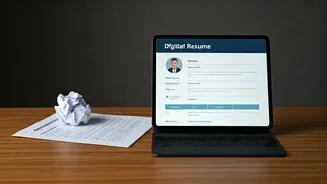








Why the Paper Resume Is Fading
The shift away from paper isn't just about saving trees; it's about efficiency. Recruiters at major multinational corporations and fast-growing startups in India are often inundated with hundreds, if not thousands, of applications for a single open position.
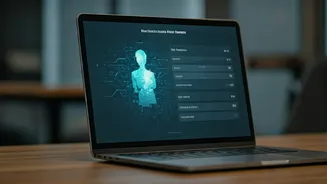
They don't have time to manually sort through stacks of paper or even individually open beautifully designed but unreadable PDF files. Instead, they rely heavily on Applicant Tracking Systems (ATS). These software platforms are designed to scan, sort, and rank candidates based on keywords and qualifications relevant to the job description. A traditional, non-digitally-optimised resume—whether it's a physical copy or a poorly formatted file—often fails to pass this initial, crucial screening. It’s not that recruiters don’t want to see your experience; it’s that their systems literally can’t.
Think Like a Recruiter
To understand the change, put yourself in a recruiter’s shoes. They have a target to meet and a manager asking for a shortlist of qualified candidates by the end of the day. They need to find the best talent, fast. A digital-first application helps them do just that. A well-optimised digital resume can be scanned in seconds by an ATS. A link to a comprehensive LinkedIn profile provides instant social proof, recommendations, and a broader view of your professional persona. A portfolio link allows them to see your work immediately, without needing to request it. In this context, a static paper resume feels one-dimensional and slow. It forces the recruiter to do more work to find the information they need, which is a disadvantage in a competitive talent pool.
Action Plan 1: Optimise for Robots
Your first audience is often not a human, but an ATS. To get past the gates, you must create a robot-friendly resume. This means ditching complex formatting like tables, columns, and graphics, which can confuse the software. Stick to standard, web-safe fonts like Arial, Calibri, or Times New Roman. Most importantly, use keywords from the job description. The ATS is programmed to look for specific skills, software names, and qualifications mentioned in the job posting. Mirror that language. Save your file as a .docx or a simple text-based PDF. While a visually stunning resume designed in Canva might look impressive, it’s useless if the ATS can’t parse the text within it.
Action Plan 2: Build Your Digital Headquarters
Your new resume is not a single document; it's your entire digital professional presence. The most critical component is your LinkedIn profile. It should be 100% complete, with a professional headshot, a compelling summary, and detailed descriptions of your roles and accomplishments. Ask for recommendations from former colleagues and managers. Beyond LinkedIn, consider where your work lives. For developers, a well-maintained GitHub profile is non-negotiable. For designers, writers, and marketers, a personal portfolio website showcasing your best work is your most powerful asset. Your resume should serve as the gateway, with links that invite recruiters to explore the depth and quality of your skills.
Action Plan 3: Tailor Everything, Every Time
The biggest mistake job seekers make in the digital age is using the ease of online applications to “spray and pray”—sending the same generic resume to dozens of companies. This is the digital equivalent of mass-mailing paper resumes, and it's just as ineffective. The advantage of a digital resume is that it's incredibly easy to customise. Before applying for any role, take 15 minutes to tailor your resume. Reread the job description, identify the top 3-5 requirements, and make sure your resume’s summary and recent experience sections explicitly address them using the same language. This simple act of customisation dramatically increases your chances of getting past the ATS and catching a recruiter’s eye.
Is Paper Ever Appropriate?
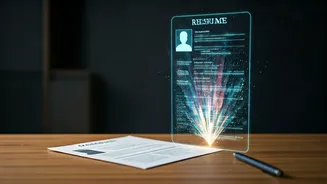
While the trend is overwhelmingly digital, there are still a few scenarios where a physical resume is useful. If you are attending a career fair, a walk-in interview, or a networking event, having a few clean, crisp copies of your resume on hand is a professional touch. It gives the person you're speaking with a tangible takeaway. In some very traditional or non-tech industries, paper applications might still be part of the standard process. The key is to know your audience. For the vast majority of corporate and tech jobs in today's market, however, your focus should be entirely on your digital application package.