





The Final Mile Problem
For any traveller, the transfer from the airport to their final destination can be tiring. For a person with a disability, it's often the point of highest risk. After navigating the flight and airport assistance, the last thing anyone needs is a pre-booked
accessible taxi that doesn’t show up, a vehicle that isn’t actually accessible, or a driver who is untrained or unwilling to help. This 'final mile' failure is a common story. It turns a moment of arrival into one of stress and uncertainty, sometimes leaving travellers stranded and undoing the confidence built by an otherwise smooth journey. The problem often stems from a gap between what is promised online and what is delivered at the kerb.
Know Your Rights at Indian Airports
Before you even think about the transfer, remember your rights within the airport. Under regulations from India's Directorate General of Civil Aviation (DGCA), airlines are obligated to provide free assistance to passengers with disabilities. This includes seamless help from the terminal entrance, through check-in and security, and right to your aircraft seat. The same service is mandated upon arrival, guiding you from the aircraft to the terminal exit. This assistance is your right and should be booked with your airline at least 48 hours in advance. While this service gets you to the kerb, it is the airport operator's responsibility to ensure infrastructure like accessible drop-off points are available. Knowing these rights ensures you receive full support up to the point of your transfer.
Why Pre-Booked Transfers Can Fail
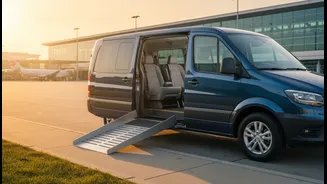
The primary issue is often a mismatch of expectations and reality. A service might be advertised as 'accessible' but may not be equipped for your specific needs. Common points of failure include: a vehicle arriving without the promised ramp or lift, a car that is too small for a specific type of wheelchair, or a driver who has not been trained in securing a wheelchair or assisting a passenger respectfully. In India, the market for truly accessible vehicles is fragmented. While some dedicated services exist in major metros like Mumbai, Bengaluru, and Delhi, they are not as widespread as standard taxi services. Relying on generic ride-hailing apps without a specific wheelchair-accessible vehicle (WAV) option is a gamble that rarely pays off.
A Checklist for Booking a Reliable Transfer
To avoid being stranded, proactive and detailed communication is your best tool. Do not just tick a box that says 'wheelchair accessible'. Instead, contact the transport provider directly and get clear, written confirmation on the following points: 1. Vehicle Type: Specify that you need a vehicle with a ramp or a hydraulic lift. Confirm the dimensions if you use a larger power wheelchair. 2. Driver Training: Ask if the driver is trained to operate the equipment and assist passengers with disabilities. Sensitisation training is a sign of a professional service. 3. Photos: Request a photo of the actual vehicle and its ramp/lift. This simple step can prevent many misunderstandings. 4. Confirmation of Details: A day before your travel, re-confirm all details: flight number, arrival time, terminal, and your specific needs. 5. Contact Information: Get the direct phone number of the driver or a 24/7 dispatch helpline, not just a generic customer service number.
Finding Accessible Transfer Services in India
While challenging, finding reliable services is possible. Start by searching for dedicated accessible transport companies in your destination city, rather than general taxi aggregators. Companies like Mobicab in Mumbai, Ezy Mov, and Sarathi are some of the players in this space. Travel forums, disability advocacy groups, and specialized travel agents are also invaluable resources for recommendations. Some travellers have had success with Uber WAV where available, but this service is not yet widespread in India. Always read recent reviews and be wary of services that are not transparent about their fleet and pricing.