



A Nutritional Powerhouse
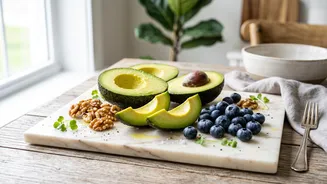
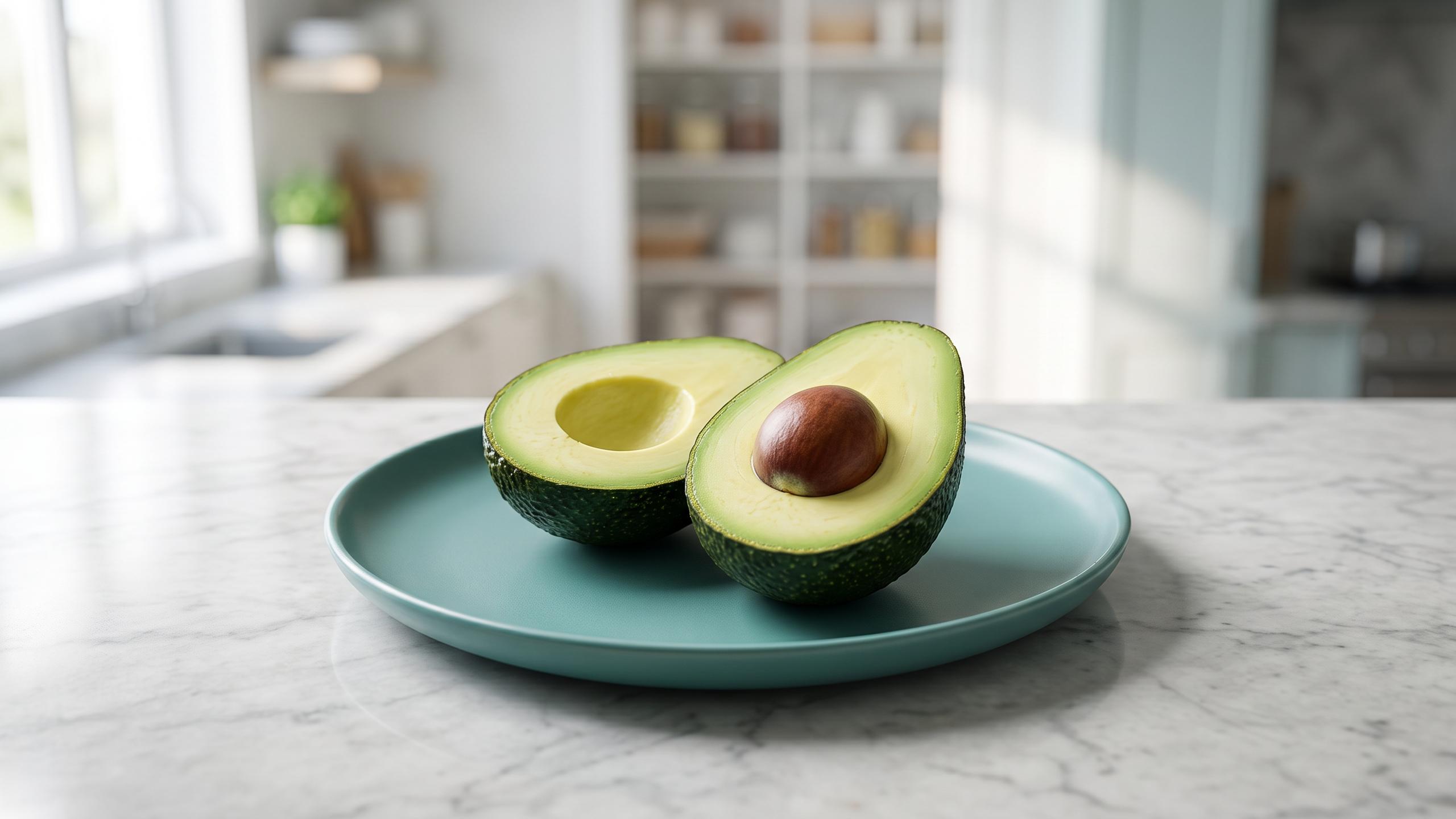
There's no denying that avocados are incredibly nutritious. They are celebrated for their high content of monounsaturated fats, the 'good' fats that are beneficial for heart health. Unlike most fruits, they are low in sugar. A single avocado provides
a wealth of vitamins and minerals, including vitamins K, C, E, and various B vitamins, along with more potassium than a banana. They are also an excellent source of dietary fibre, which is crucial for good digestion and can help you feel full and satisfied, potentially aiding in weight management. This impressive nutritional profile is why dietitians often recommend them as part of a balanced diet, as they can help lower bad cholesterol and regulate blood pressure.
The Brain Food Connection
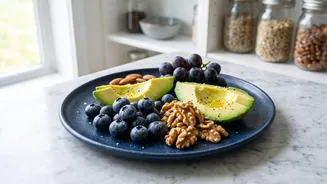
So, where did the idea that avocados are a 'brain food' that can boost memory come from? The logic is somewhat circular. Healthy fats, like the monounsaturated fats in avocados, are essential for overall brain health. Furthermore, avocados contain compounds like lutein, a carotenoid that accumulates in the brain and is believed to have antioxidant and anti-inflammatory properties. Some earlier studies, often supported by the avocado industry, did suggest a link between avocado consumption and improved cognitive function. For instance, a 2017 study found that older adults who ate an avocado a day for six months saw improvements in working memory and problem-solving skills. Another study from 2020 on adults with overweight or obesity noted an improvement in focused attention.
The Reality of the Memory Claim
This is where the headline's promise comes into focus. A more recent and comprehensive six-month study, published in June 2026, put the memory claim to the test and came up with a different conclusion. In this trial, researchers had one group of adults eat one avocado per day while a control group did not. At the end of the six months, the study found no significant difference in cognitive function—including memory, processing speed, and executive function—between the two groups. While there was a slight improvement in working memory reaction time across all participants, it wasn't linked to avocado consumption. This doesn't mean previous findings were wrong, but it suggests that simply adding an avocado to your daily diet, without other changes, is not a magic bullet for a better memory.
Enjoy Avocados for What They Are
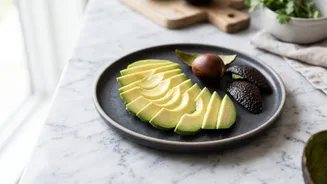
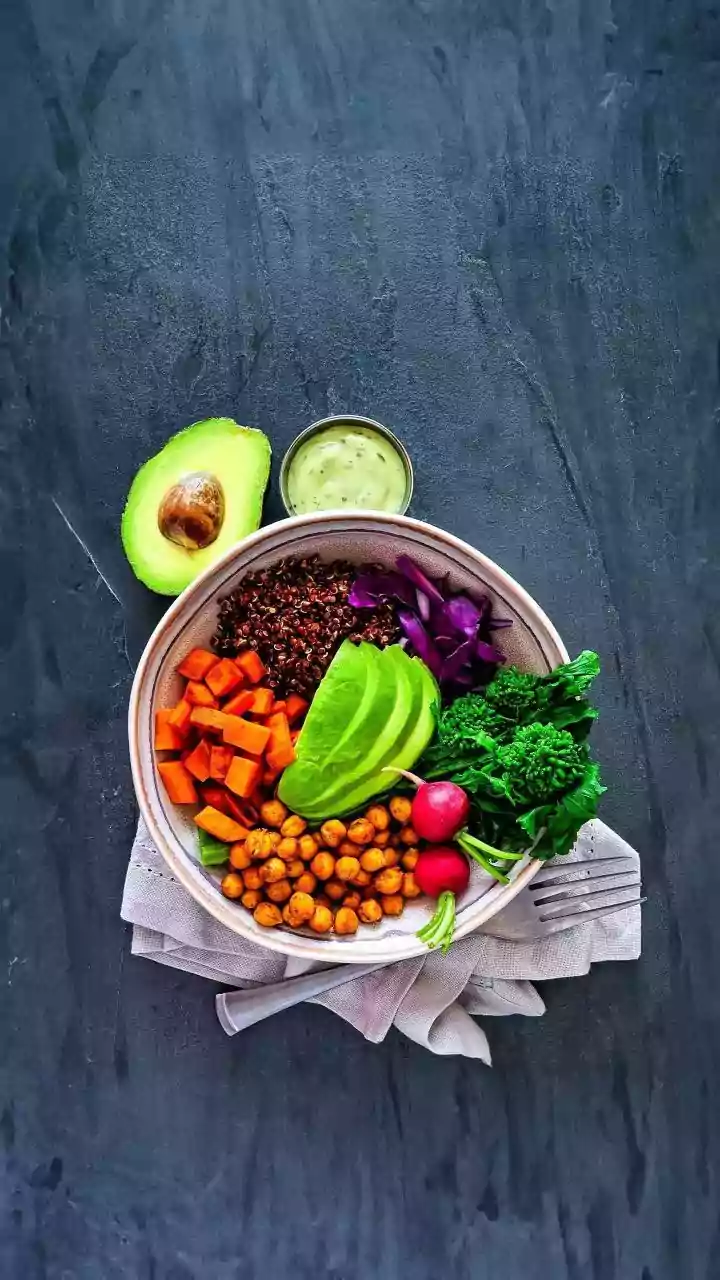
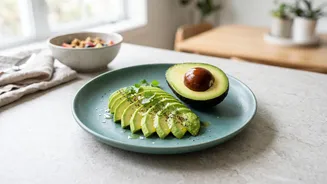
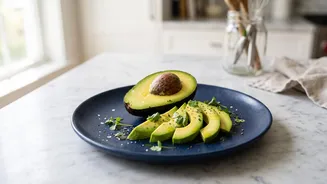
The key takeaway isn't to stop eating avocados. It's to appreciate them for their proven benefits rather than for unproven hype. They remain a fantastic food for supporting heart health, improving overall diet quality, and promoting gut health. Their high-fat content makes them a great substitute for foods high in unhealthy saturated fats, like butter or processed meats. The creamy texture and mild flavour make them incredibly versatile. You can add slices to a sandwich, mash them for a dip, or use them to add richness to a smoothie. Just be mindful of portion sizes; because they are calorie-dense, a serving is typically considered about one third to one half of a medium avocado.