






Beyond Just Wet Clothes
The most obvious reason to waterproof your luggage is to keep your clothes dry. But in modern travel, our bags hold much more than just fabric. Laptops, cameras, power banks, and smartphones are standard travel companions. Water damage can permanently
ruin these expensive electronics in an instant. Likewise, crucial documents like passports, hotel confirmations, and IDs can become unreadable if they get wet. A waterproof barrier ensures that a sudden downpour doesn't lead to costly replacements or logistical nightmares. A single sealed layer protects these valuables from any moisture they might encounter on the journey.
The Hidden Dangers of Dampness
Even if your belongings don't get completely soaked, persistent dampness creates another problem: mould and mildew. Luggage left in a car boot or exposed to high humidity can quickly develop a musty odour that seeps into everything inside. These fungi don't just smell bad; they can cause permanent stains and even degrade the fabric of your clothes and the luggage lining itself. For individuals with allergies or respiratory issues, mould spores can also present a health risk. Ensuring your bag is fully protected from moisture prevents this hidden menace from taking root and ruining your possessions long after the trip is over. Proper care after a trip, like airing out the bag, is also critical.
Preserving the Life of Your Luggage
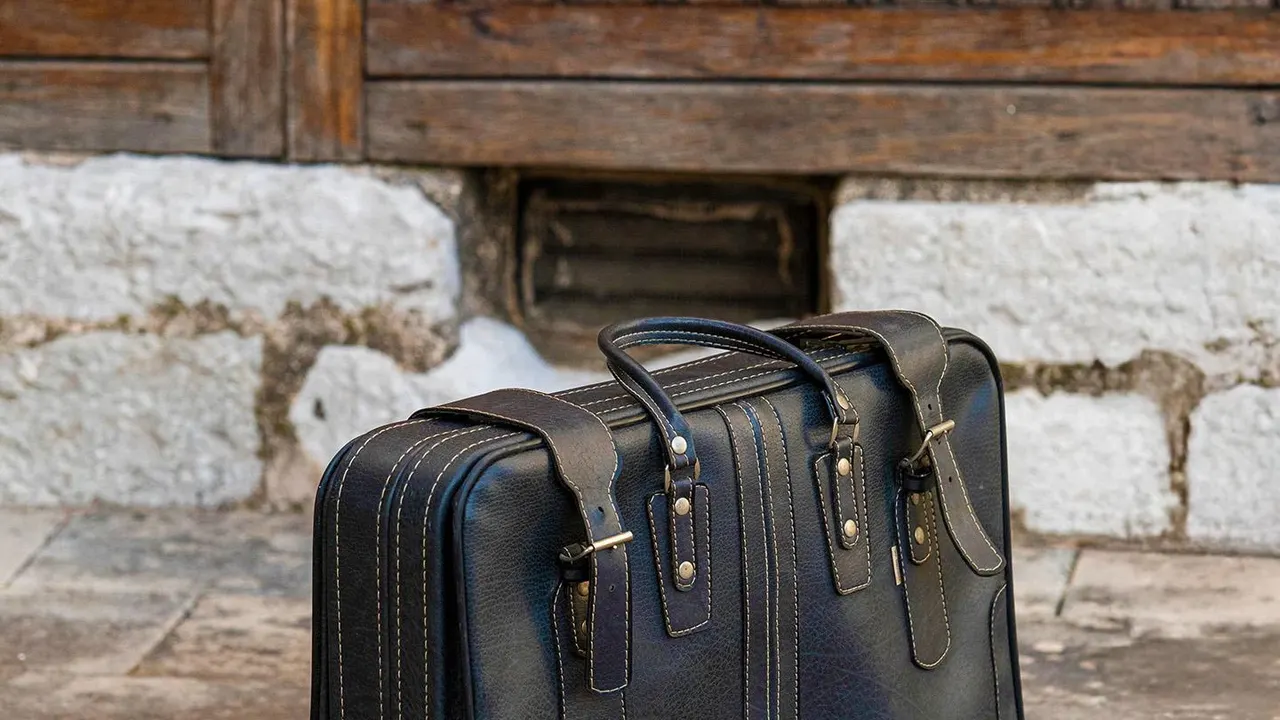
Water doesn't just damage the contents; it damages the container. Soft-sided luggage, often made of polyester or nylon, relies on durable water repellent (DWR) coatings that wear off over time. Once this coating is compromised, water can seep through the fabric weave and into the seams. This repeated exposure can weaken the material, cause discoloration, and accelerate wear and tear. Even hard-shell luggage isn't invincible; water can easily penetrate through zippers, which are a common weak point. By using an exterior waterproof cover or sleeve, you provide an essential first line of defence, extending the lifespan and structural integrity of your bag.
Choosing Your Method of Protection
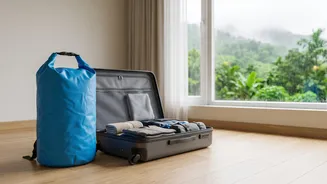
There are several ways to waterproof your luggage, each with its own advantages. The most common and effective solution is a dedicated waterproof luggage cover. These are designed to fit snugly over your suitcase, providing comprehensive protection from rain while leaving cutouts for wheels and handles. They are reusable and highly effective against heavy downpours. Another option is using waterproof sprays containing silicone or other sealants. These are best for fabric luggage and require even application, paying close attention to seams and zippers. For internal protection, especially for electronics and documents, using individual dry bags or even large ziplock bags provides a crucial secondary barrier.
Peace of Mind on the Road
Ultimately, waterproofing your luggage is about preparedness and peace of mind. A road trip during the rainy season comes with unpredictability. You might have to load or unload the car in a storm, or your luggage might be strapped to a roof rack exposed to the elements. Knowing that your belongings are shielded from the weather allows you to focus on the journey itself, rather than worrying about potential damage. It's a small, inexpensive precaution that acts as an insurance policy against a host of travel troubles, ensuring your adventure remains a positive memory from start to finish.