




The Tale of the Tape: July's Rainfall
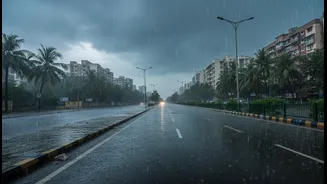
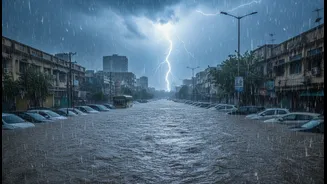
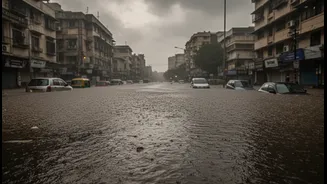
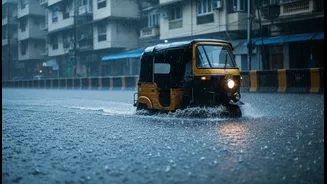
The start of July 2026 was exceptionally wet for Mumbai. In the first week alone, the city experienced intense downpours that surpassed the entire month's average rainfall in some areas. The Santacruz and Colaba observatories recorded massive amounts
of rainfall, effectively erasing the deficit from a drier June. This intense spell, described as having the highest rainfall for the period in 27 years, led to 'red' and 'orange' alerts from the India Meteorological Department (IMD). However, as of July 10, the situation has eased, with the IMD extending a 'green alert', indicating light to moderate rain is expected over the weekend, offering a respite from the earlier deluges. This break has allowed previously waterlogged roads to clear up.
The Benefit: A Lifeline for Water Supply
The most significant benefit of the heavy July rains is the replenishment of the seven lakes that provide Mumbai's drinking water. As of July 10, the water stock in these lakes reached 49.41% of their total capacity. This is a substantial increase following the heavy showers, with two lakes, Vihar and Tulsi, already overflowing. This surge in water levels is crucial for the city's water security, helping to stave off the possibility of water cuts later in the year. While the current stock is lower than on the same date last year, it is a vast improvement from the situation just weeks ago and provides a much-needed buffer for the months ahead.
The Risks: Health, Travel, and Infrastructure
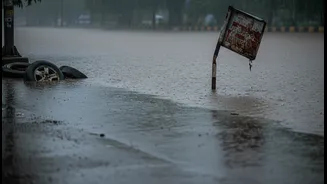
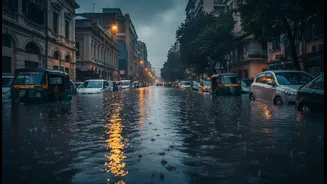
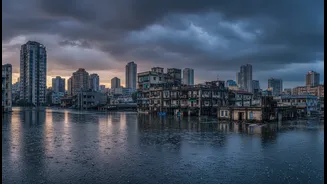
The monsoon's intensity brings considerable risks. The heavy downpours earlier in the month caused widespread waterlogging, disrupting train services on the Western, Central, and Harbour lines and leading to traffic snarls. Beyond transit, the primary concern shifts to public health. The Brihanmumbai Municipal Corporation (BMC) has issued advisories about the increased risk of water-borne diseases, especially leptospirosis. This bacterial infection spreads through contact with contaminated floodwater, and residents are strongly advised to avoid wading through stagnant water, especially with open cuts or wounds. The monsoon also elevates the risk of other vector-borne diseases like dengue and malaria, as waterlogging creates breeding grounds for mosquitoes. There is also the physical danger of falling trees and the collapse of old or dilapidated structures.
Practical Next Steps: Your Monsoon Safety Guide
Staying prepared is the best defence against the monsoon's challenges. The BMC has issued several guidelines for citizen safety. First, avoid walking or driving through waterlogged areas to prevent both vehicle damage and health risks like leptospirosis. If exposure to floodwater is unavoidable, the BMC recommends consulting a doctor for preventive medication within 72 hours. It is crucial to rely on official sources for information and warnings, such as the BMC's social media channels and its 24-hour helpline (1916), and to avoid spreading rumours. Keep a safe distance from unstable structures, including old buildings, electric poles, and trees during heavy rain and strong winds. Finally, be prepared for travel delays by checking transport updates before you leave home.
Official Preparedness and Resources
Civic authorities are on high alert during this period. The BMC's disaster management unit is active, and pumping stations in low-lying areas are operational to clear waterlogging. During the intense spells, authorities suspended non-essential construction and advised offices to consider work-from-home options to reduce the number of people on the streets. The Public Health Department is actively running campaigns to prevent monsoon-related illnesses and monitoring disease trends daily. Citizens are encouraged to use the network of BMC dispensaries and clinics for any health concerns that may arise during the season.