


A Hunger for Authenticity
The primary driver behind this shift is a profound search for authenticity. For Gen Z and millennial travellers, the polished, predictable experience of a major tourist attraction often feels sterile. They are instead drawn to experiences that feel real
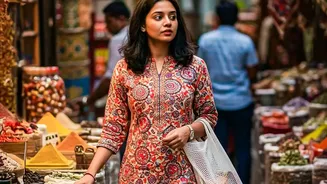
and lived-in. A neighbourhood food walk offers just that—an uncurated glimpse into the local way of life. It's an opportunity to eat where locals eat, to understand the history behind a dish, and to engage with a culture on its own terms rather than through a pre-packaged filter. This desire reflects a broader global trend toward experiential travel, where the value of a trip is measured in memories and genuine connections, not just photos of landmarks.
The Social Media Currency of Food
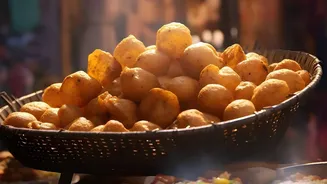
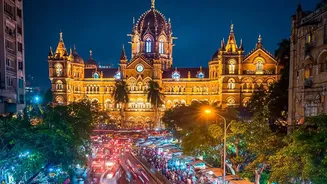
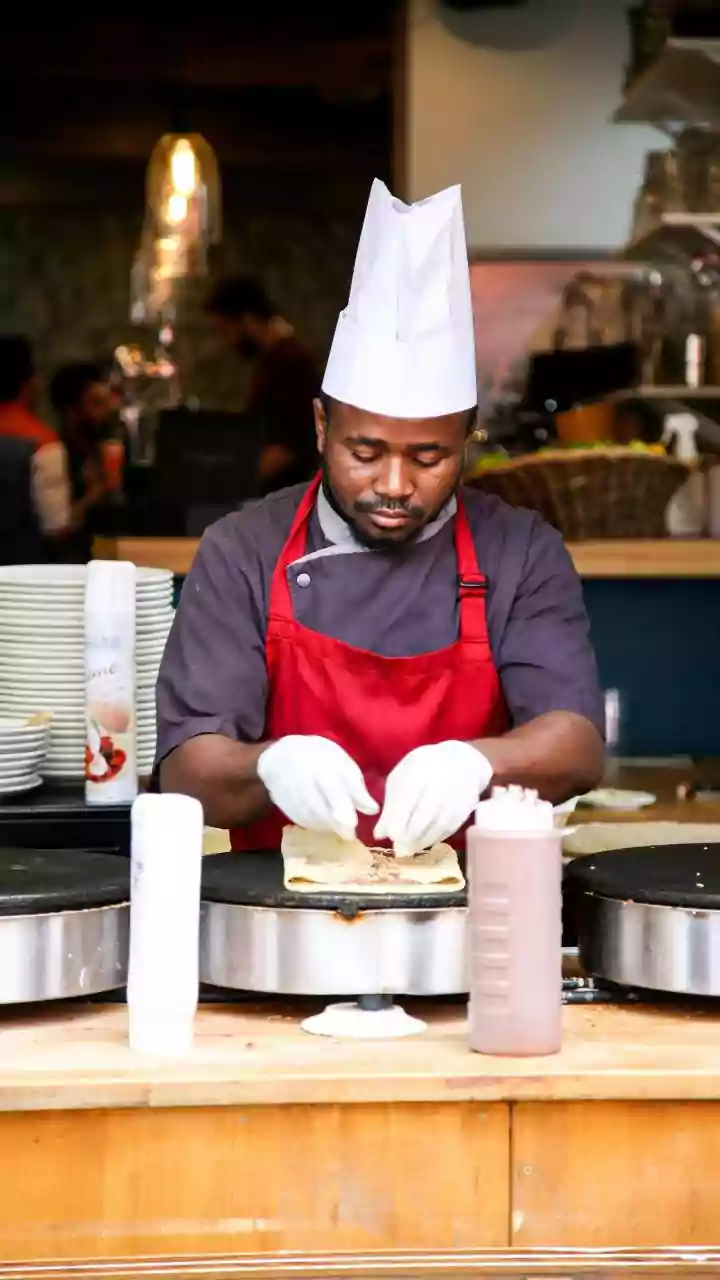
It’s impossible to discuss the travel habits of young Indians without acknowledging the role of social media. Platforms like Instagram and YouTube have become primary sources of travel inspiration. While a picture of the Gateway of India is timeless, a video of a street vendor masterfully preparing a rare local delicacy has a different, more compelling kind of social currency. It tells a more personal and unique story. Food content is visually rich, universally relatable, and signals a deeper level of cultural immersion. Young travellers are not just documenting their trips; they are building a narrative. A well-captured food walk provides a treasure trove of content that is both aesthetically pleasing and culturally savvy, setting their travel story apart from the crowd.
Experience Over Everything
There has been a fundamental shift in values, with younger generations prioritising 'doing' over 'having'. Instead of spending on souvenirs, the modern traveller is more likely to invest in a memorable experience, like a cooking class or a guided culinary tour. Reports indicate that a vast majority of young Indian travellers now favour independent, customised trips over traditional package tours. This 'experience economy' is reshaping the tourism industry. Food walks are the perfect embodiment of this mindset. They are immersive, educational, and sensory, offering a rich experience that a souvenir keychain simply cannot match. This approach is less about passive sightseeing and more about active participation.
The Rise of the Culinary Curator
This trend hasn’t emerged in a vacuum. It's being fueled by a new ecosystem of food bloggers, vloggers, and specialized tour operators who act as culinary curators. These guides and influencers unearth hidden gems, explain complex culinary histories, and make hyper-local food cultures accessible to a wider audience. They build trust and offer a level of insight that a standard guidebook or a quick online search can't provide. By following these creators, young travellers are essentially getting a pre-vetted list of authentic experiences, taking the guesswork out of finding the best local food. This has empowered a generation to explore with confidence, venturing into neighbourhoods they might have otherwise overlooked.
Connecting with India’s Diverse Palate
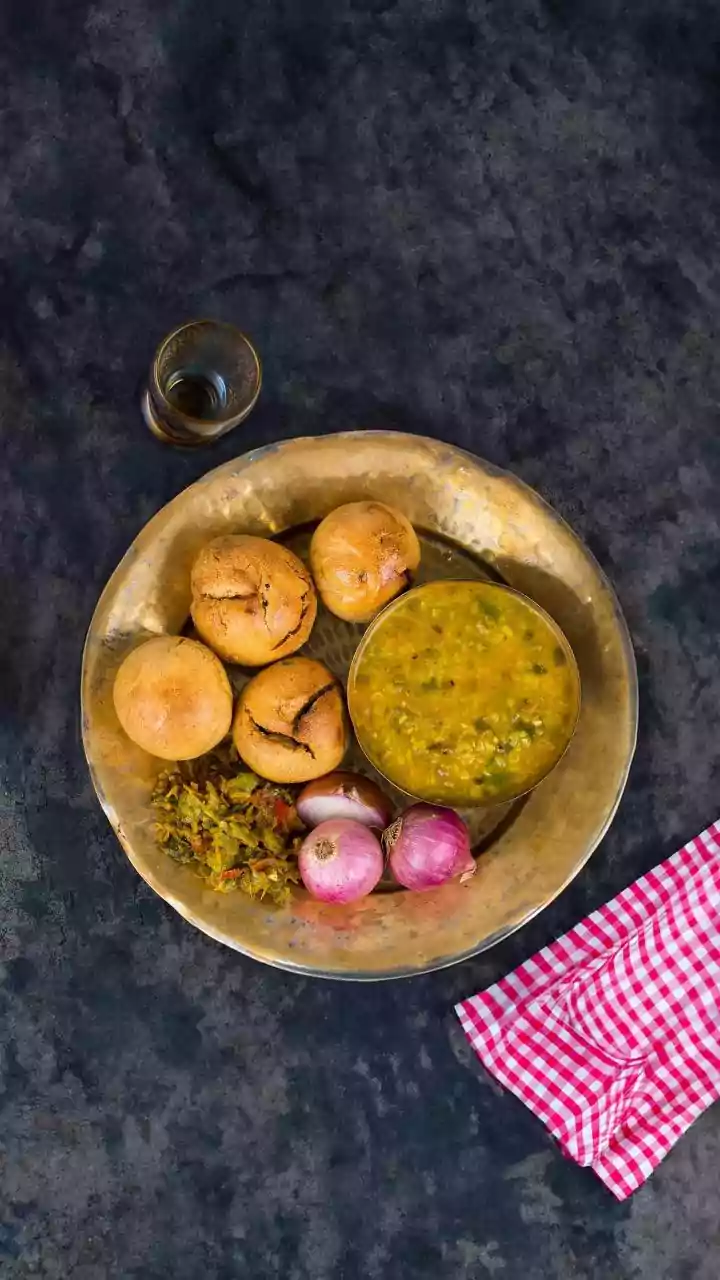
India's culinary landscape is famously diverse, with flavours, ingredients, and techniques changing dramatically every few hundred kilometres. For many young, urban Indians, a food walk can also be a journey of reconnecting with their own country's vast heritage. It’s an accessible way to explore the nuances of a regional culture, whether it's the Awadhi cuisine of Lucknow or the unique vegetarian dishes of Rajasthan. As travellers increasingly seek meaning in their journeys, food provides a powerful and delicious link to history, community, and identity. Government initiatives promoting regional cuisines have also helped, highlighting food as a central part of the national story.