







The Age of the Algorithm
For the better part of a decade, your social media experience has been curated not by you, but by a powerful and invisible force: the algorithm. Platforms like Meta's Facebook and Instagram, X (formerly Twitter), and TikTok abandoned purely chronological
feeds—where you see the newest posts first—in favor of systems designed to maximize engagement. These algorithms analyze every like, share, comment, and even how long you pause on a video, to build a predictive model of what will keep you scrolling. The goal was simple from a business perspective: the more time you spend on the platform, the more ads you see. This shift turned feeds from a simple stream of updates into a highly personalized, and sometimes manipulative, 'For You' page for the entire internet.
Why is This Happening Now?
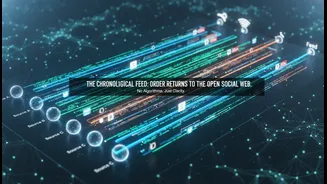
The return of chronological options and user controls isn't happening in a vacuum. It's the result of growing 'algorithmic fatigue' among users. Many people feel their feeds have become cluttered with ads, suggested content from strangers, and viral posts, while updates from actual friends and followed accounts get lost. There's a rising sentiment that personalization no longer feels personal, but rather reflects the platform's goals over the user's. Concurrently, there's growing scrutiny from lawmakers and a demand for more transparency. In response, major platforms have begun reintroducing chronological feeds as an option. Instagram, Facebook, and X now allow you to switch to a 'Following' or 'Latest' feed, though the algorithmic view often remains the default. Newer platforms like Bluesky are even building their entire experience around the idea of 'algorithmic choice', allowing users to select or create different sorting mechanisms.
The Promise of More Control
For users, the primary benefit of an algorithm-free feed is reclaiming a sense of agency. A chronological timeline is predictable and transparent; you see posts as they are published, without a system deciding what's important for you. This can reduce the feeling of being in an echo chamber and provides a more straightforward way to catch up on time-sensitive news or updates from your community. For small businesses and creators, a chronological feed can feel more equitable, offering a fair chance to be seen by their followers without having to 'beat' an algorithm that prioritizes viral content. It puts the emphasis back on the user's choice to follow an account, trusting them to curate their own experience. Some reports show a vast majority of users, up to 76%, desire more control over what appears in their feeds.
The Uncomfortable Truth: We Might Miss the Algorithm
While users say they want control, their behavior sometimes tells a different story. Platforms originally switched to algorithms because, frankly, they work to keep people engaged. A purely chronological feed can be overwhelming, filled with posts from hundreds of accounts that can quickly become boring or irrelevant. In a 2020 experiment, Meta found that users who were switched back to chronological feeds on Facebook and Instagram actually spent less time on the apps and navigated to competitors like TikTok and Reddit more often. The algorithmic feed is a powerful discovery engine, introducing users to new creators and topics they might not have found otherwise. Striking that content out of your feed might make it calmer, but it could also make it less interesting. The risk for brands and creators is that if their content isn't compelling enough, they could get lost in a sea of updates as users quickly become overwhelmed.
A Hybrid Future
The future of the social media feed is likely not a complete return to the past, but a negotiation between user control and algorithmic assistance. Platforms are experimenting with new, lightweight controls. Threads recently introduced a feature allowing users to tell the algorithm they want to see more or less of certain topics for a set period. The idea is to make the algorithm more of a collaborator than a dictator. You can provide direct input without having to abandon the benefits of discovery altogether. This hybrid model acknowledges that while a fully chronological feed offers transparency, a well-tuned algorithm can provide value. The key difference is that the user is being given the tools to do the tuning themselves, making the feed something they can actively shape rather than passively consume.