



What Exactly Are Solid-State Batteries?
Think of a conventional electric vehicle battery, the lithium-ion type, as a container with liquid inside. This liquid, called an electrolyte, helps move energy around. It works, but it's flammable, sensitive to temperature, and adds weight. Solid-state
batteries, as the name suggests, replace this volatile liquid with a thin, solid material. This single change is a monumental leap. The solid electrolyte is not flammable, is more stable at high temperatures, and allows for a more compact and energy-dense design. It’s like upgrading from a fragile glass bottle to a sturdy, lightweight flask that holds more liquid.
Solving the Biggest Rider Headaches
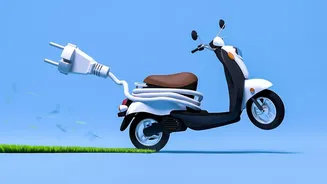
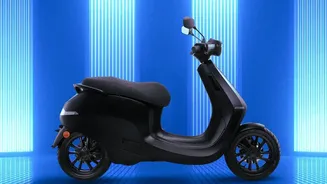
For the average electric two-wheeler owner in India, the daily experience is often dictated by the battery's limitations. Solid-state technology directly tackles these pain points. Firstly, safety is dramatically enhanced. The non-flammable nature of the solid electrolyte virtually eliminates the risk of thermal runaway—the chemical reaction that leads to battery fires, a major concern for users charging vehicles in their homes. Secondly, range anxiety could become a thing of the past. Solid-state batteries can store significantly more energy in the same amount of space, with some estimates suggesting a potential doubling of range. A scooter that currently offers 80 km could potentially offer 150 km or more with a similarly sized solid-state pack. Finally, charging times are set to plummet. The stability of solid electrolytes allows them to handle much higher charging currents, potentially reducing full charging times from several hours to under 30 minutes.
The Impact on Affordability and Durability
While solid-state technology is currently more expensive to produce, its long-term impact on the low-cost sector is profound. A key factor in the total cost of owning an EV is battery longevity. Solid-state batteries are more resistant to degradation and are expected to have a much longer cycle life, meaning they can be charged and discharged more times before losing capacity. This extends the useful life of the entire vehicle. Furthermore, their enhanced thermal stability means less need for complex and costly cooling systems, simplifying manufacturing and reducing a potential point of failure. As production scales up, experts predict the costs will decrease, eventually making the total cost of ownership for an electric two-wheeler with a solid-state battery lower than that of its lithium-ion counterpart and even competitive with petrol scooters.
The Road to Mass Adoption in India
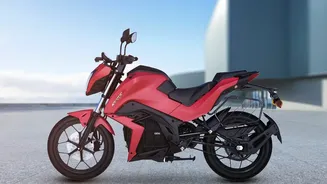
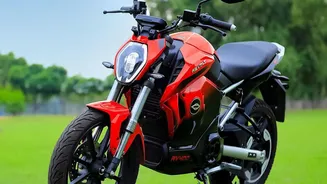
So, when can you buy an electric scooter with one of these wonder batteries? The transition won't happen overnight. As of 2026, the technology is primarily appearing in premium, high-performance motorcycles. Major battery manufacturers are targeting 2027-2028 for broader commercial availability. Initially, these will be premium options, but as manufacturing processes mature and costs fall, they will filter down to the mass-market, low-cost segment by the end of the decade. India is poised to be a key player in this shift, with government initiatives like the Advanced Chemistry Cell (ACC) mission encouraging domestic manufacturing and R&D. This focus on localisation will be crucial for making the technology truly affordable for Indian consumers.