






From Rooms to Zones: A New Mindset
Forcing a small space to serve multiple functions often leads to chaos. The corner of the living room becomes a makeshift office, the dining table is also a craft station, and clutter seems to expand to fill every surface. The core problem is organizing
by room names instead of by activity. Zoning is a concept that ditches these labels in favour of defining areas by their function. Instead of a 'bedroom', you might have a 'sleep zone', a 'dressing zone', and a 'reading zone'. This approach is less about physical walls and more about creating clear, functional roles for different parts of your home, which helps keep related items grouped together and makes daily routines more efficient.
Understanding the Ergonomics of Reach
The 'reach zone' concept is borrowed from ergonomics, the science of designing environments to fit human needs. It divides a space based on how easily you can access things. In simple terms, items you use constantly should be effortless to grab, while things you use rarely can be stored in harder-to-reach places. This prevents daily essentials from getting buried and stops occasional-use items from cluttering up prime real estate. By applying this logic to your entire home, not just a desk, you create a living space that works with your body's natural movements, reducing strain and frustration.
Zone 1: The Primary or 'Daily' Zone
Your primary reach zone holds everything you use multiple times a day. These items should be accessible with minimal effort—ideally within a comfortable sweep of your forearm without stretching or bending. Think of your keys, phone charger, the coffee maker, your primary work laptop, and the remote control. In the kitchen, it's your favourite mug and everyday cutlery. In the entryway, it's a dedicated hook for your coat and a tray for mail. The goal is to keep these high-frequency items in the most convenient spots, often between your waist and shoulder height, to make your daily patterns seamless.
Zone 2: The Secondary or 'Weekly' Zone
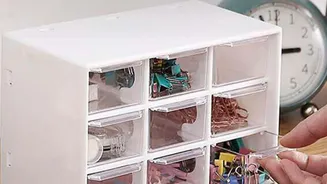
The secondary zone is for things you use regularly, but not necessarily every day. Accessing these items might require you to fully extend your arm or take a single step. This zone is perfect for weekly hobby supplies, specific kitchen gadgets, books you're actively reading, or the laundry basket. These items should be kept nearby and visible, but just outside your immediate, high-traffic area. For example, less-used spices could be on a higher shelf, or extra office supplies could be in a desk drawer rather than on the desktop. This keeps your primary zone clear while ensuring your weekly-use items are still easy to retrieve.
Zone 3: The Tertiary or 'Storage' Zone
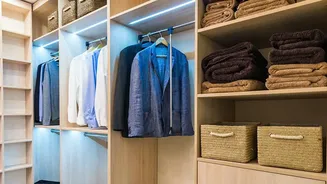
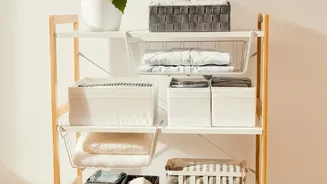
The tertiary, or extended, reach zone is for everything else. These are the items you use infrequently—monthly or seasonally. Accessing them requires more significant effort, like bending down low, reaching up high, or going to another area like a closet or garage. This is the proper home for out-of-season clothing, holiday decorations, guest bedding, and archival paperwork. The key to effective tertiary storage is clear labelling and organization. Using well-marked bins for categories like 'Camping' or 'Winter Accessories' ensures you can find what you need without having to unpack everything you own. This zone is crucial for keeping your daily living areas free of long-term clutter.