






The K-Beauty Wave and The Mucin Moment
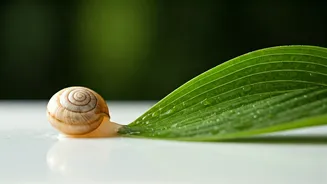
For the past few years, the Korean beauty wave has swept across India, bringing with it a fascination for multi-step routines and exotic ingredients. Leading the charge was snail mucin, a secretion from snails, celebrated for its purported ability to
hydrate, repair skin, and improve texture. Brands bottled this ingredient, primarily in serums and essences, and it quickly became a staple on the vanities of many Indian skincare enthusiasts. Its global popularity, driven by social media, positioned it as a holy grail for achieving glassy, hydrated skin.
Enter Botanical Hydrators
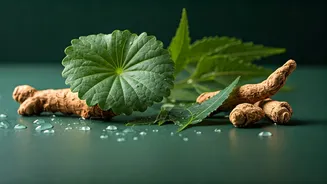
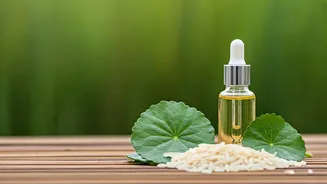
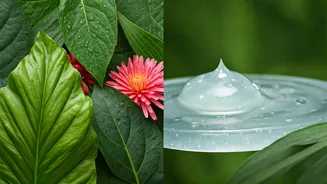
Parallel to the rise of K-beauty, another movement, quieter but more deeply rooted, has been gaining momentum: the return to botanicals. Botanical hydrators are plant-derived ingredients known for their ability to moisturize and soothe the skin. Think of ingredients like aloe vera, rose water, hibiscus, tulsi (holy basil), and gotu kola. These aren't new discoveries; many are staples in traditional Indian wellness practices like Ayurveda. Modern brands are now formulating these familiar plants into lightweight, effective hydrators like serums, gels, and mists that deliver powerful results without synthetic additives.
The Power of Cultural Connection
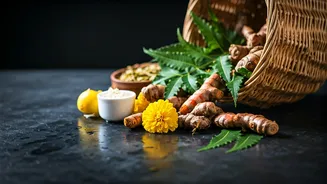
For many urban Indian women, the choice of botanical ingredients is a nod to their heritage. There's a deep-seated trust in remedies that have been used for generations. Ingredients like turmeric, neem, and sandalwood are not just trends; they are part of a cultural lexicon of wellness. This 'return to roots' is a powerful driver in a market where consumers are increasingly looking for authenticity. Ayurvedic principles, which emphasize balance and natural harmony, resonate more deeply than fleeting international trends for some. The narrative of using what the land provides feels both familiar and empowering.
A Clean and Conscious Choice
The preference for botanicals is also fueled by a global shift towards vegan, cruelty-free, and clean beauty. Today’s consumer is more informed and ethically conscious than ever before. They are asking questions about where ingredients come from and how they are sourced. While many snail mucin brands claim their harvesting methods are cruelty-free, the very idea of an animal-derived ingredient is a non-starter for a growing segment of consumers who prefer plant-based alternatives. This ethical consideration, combined with a desire for 'clean' formulations free from potentially harsh chemicals, makes botanical products highly appealing. The Indian vegan cosmetics market is expanding rapidly, reflecting this change in consumer values.
Better for Indian Skin and Climate?
Beyond culture and ethics, there's a practical argument to be made. India’s climate is predominantly hot and humid, which calls for skincare that is lightweight and non-greasy. Many botanical hydrators, such as aloe vera or hibiscus-based gels, offer hydration without the heaviness that can sometimes be associated with certain formulations of snail mucin. They absorb quickly, soothe heat-induced irritation, and help balance the skin in tropical weather. Local Indian brands are excelling in this space, creating products specifically designed for the Indian consumer's environment and skin concerns, further driving the popularity of botanical formulations.