







The Monsoon Humidity Trap
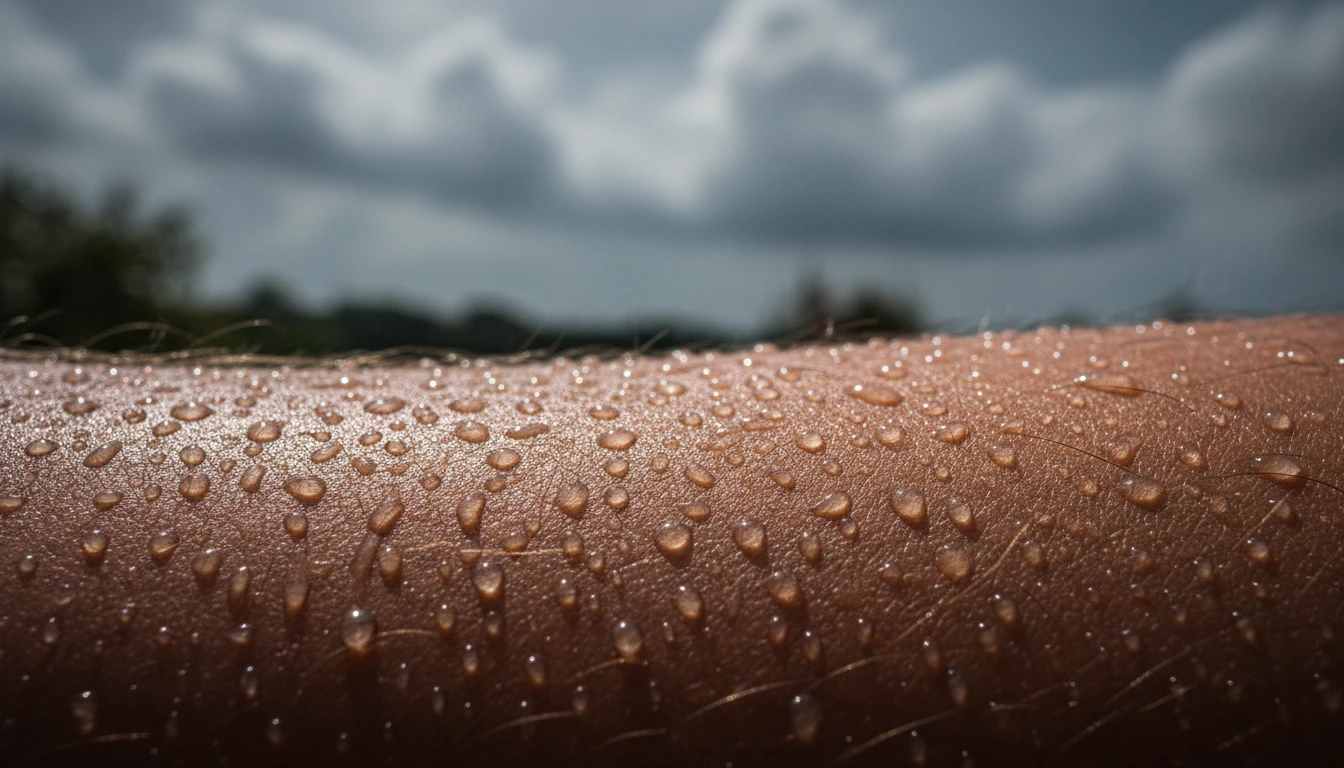
Exercising during the monsoon feels different for a reason. High humidity in the air prevents your sweat from evaporating efficiently. Normally, sweat evaporation is your body's primary cooling system. When the air is already saturated with moisture,
as it is when relative humidity climbs above 60%, sweat simply drips off without providing much cooling effect. In response, your body works harder and produces even more sweat to try and cool down, leading to accelerated fluid and electrolyte loss. This process increases your core body temperature, puts more strain on your heart, and quickens the onset of dehydration, making you feel tired faster and hindering your post-workout recovery.
More Than Just a Dry Mouth
Thirst isn't always the first or most reliable indicator of dehydration, especially in humid weather where your perception of thirst can be reduced. The early warning signs are often more subtle. During or after a monsoon workout, look out for persistent fatigue, muscle cramps, dizziness, or a headache. Another key sign is the inability to concentrate or feeling unusually moody. A simple, practical way to check your hydration level is to monitor your urine colour; if it's dark yellow, your body is telling you it needs more fluids. Ignoring these signs can lead to more significant issues like heat exhaustion.
Rethinking Hydration: The Role of Electrolytes
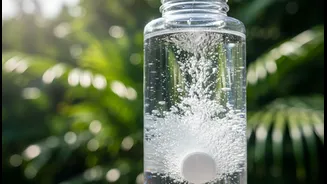
‘Better hydration’ is not just about drinking more water; it’s about replacing what you lose. When you sweat, you don't just lose water; you lose critical minerals called electrolytes, primarily sodium, potassium, and magnesium. These minerals are essential for balancing fluids, nerve function, and muscle contractions. Replenishing with plain water alone after intense sweating can dilute the remaining electrolytes in your body, which can sometimes worsen symptoms like muscle cramps. A truly effective hydration strategy for humid conditions involves consuming fluids that contain these essential electrolytes to properly restore your body's balance.
Your Post-Workout Replenishment Plan
The period immediately following your workout is a crucial window for recovery. Instead of reaching for just plain water, consider options that will actively replenish lost electrolytes. Coconut water is an excellent natural choice, rich in potassium, sodium, and magnesium. A simple homemade solution of lemon water with a pinch of salt and a small amount of sugar or honey is also highly effective. The sugar in this mix isn't just for taste; it helps your body absorb the sodium and water more efficiently. Other beneficial options include buttermilk (chaas), watermelon juice, or a simple banana smoothie, which helps restore potassium levels.
Eat Your Water for All-Day Hydration
Your fluid intake doesn't only come from drinks. Many fruits and vegetables that are abundant during the monsoon have high water content and can contribute significantly to your overall hydration. Incorporating foods like cucumber, watermelon, oranges, and spinach into your diet can help maintain fluid balance. For example, watermelon is over 90% water and also provides some potassium. Pairing these hydrating foods with your meals is a simple and effective way to support your body's recovery process, ensuring your cells get the nutrients and hydration they need to repair and rebuild after a strenuous workout.