


The Hunt for Active Volcanoes
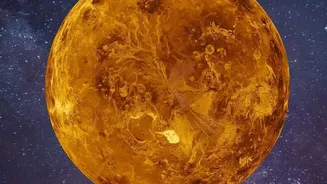
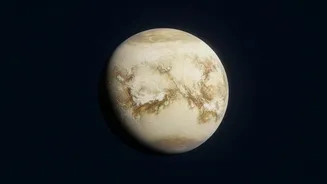
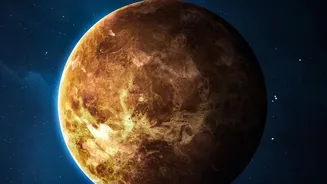
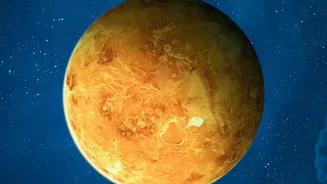
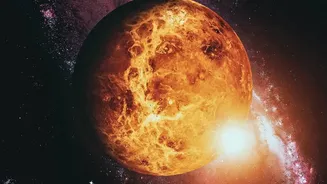
Venus is a world defined by volcanoes. Its surface is covered with more of them than any other planet in our solar system, with over 1,600 major volcanic features identified. For decades, scientists have debated whether these are ancient relics or if the planet is still
geologically alive, with active eruptions shaping its landscape. Finding definitive proof—a 'smoking gun'—has been incredibly difficult due to the planet's dense, globe-spanning clouds of sulfuric acid that make direct observation of the surface nearly impossible. However, recent re-examinations of old data from NASA's Magellan mission have provided tantalizing evidence of recent volcanic activity. Confirming this is a top priority for planetary science, and it’s one of the primary goals of India's ambitious first mission to Venus.
The Sulfur Dioxide Clue
If you can't see through the clouds, how do you find an erupting volcano? The secret lies in the planet’s upper atmosphere. On Earth, volcanic eruptions are a major source of sulfur dioxide (SO2), a pungent gas. Scientists believe the same is true for Venus. This gas is highly susceptible to sunlight and should be quickly destroyed in the upper atmosphere. Therefore, if a spacecraft detects a sudden spike of sulfur dioxide high above the main cloud deck, it's a strong indicator that the gas was recently injected from below by a powerful volcanic eruption. Previous missions, like ESA's Venus Express, have observed dramatic fluctuations in high-altitude SO2 levels, strengthening the case for active volcanism. These fluctuations are the chemical footprints ISRO plans to follow.
ISRO's Shukrayaan-1 Mission
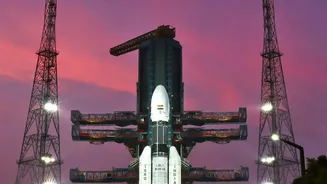
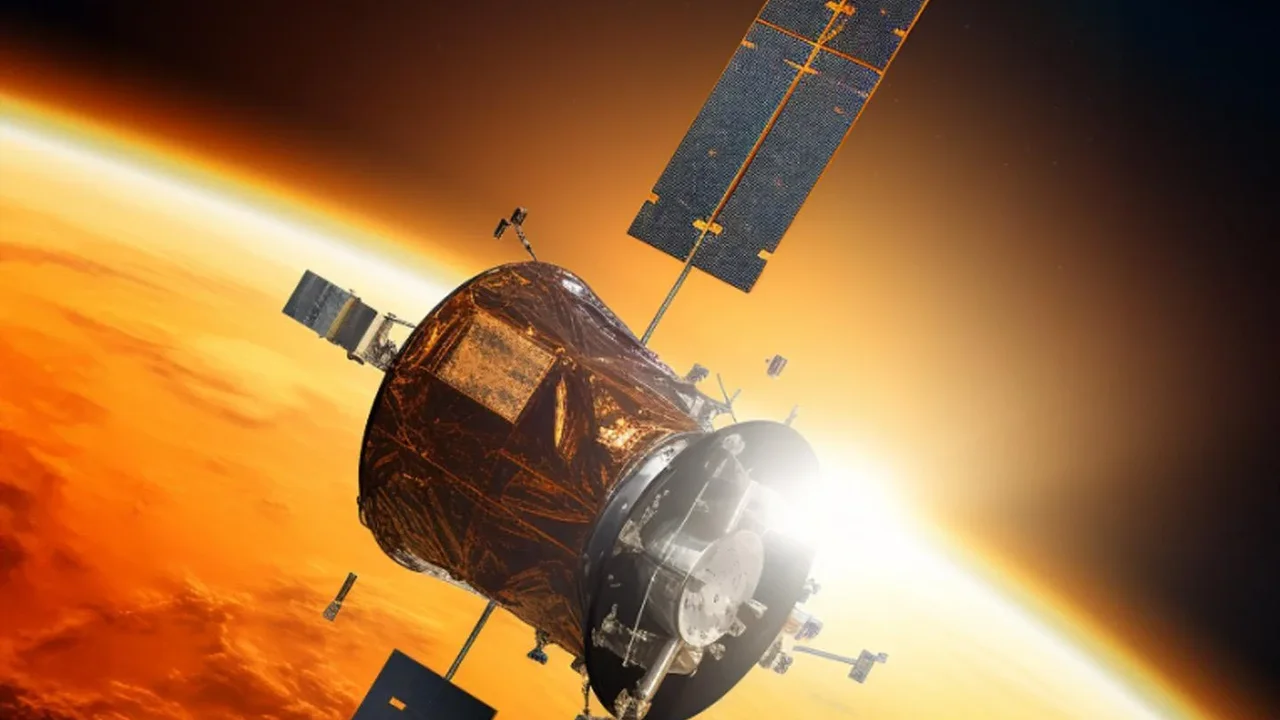
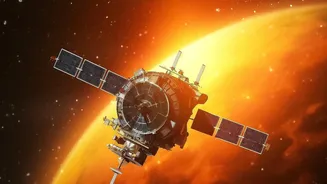
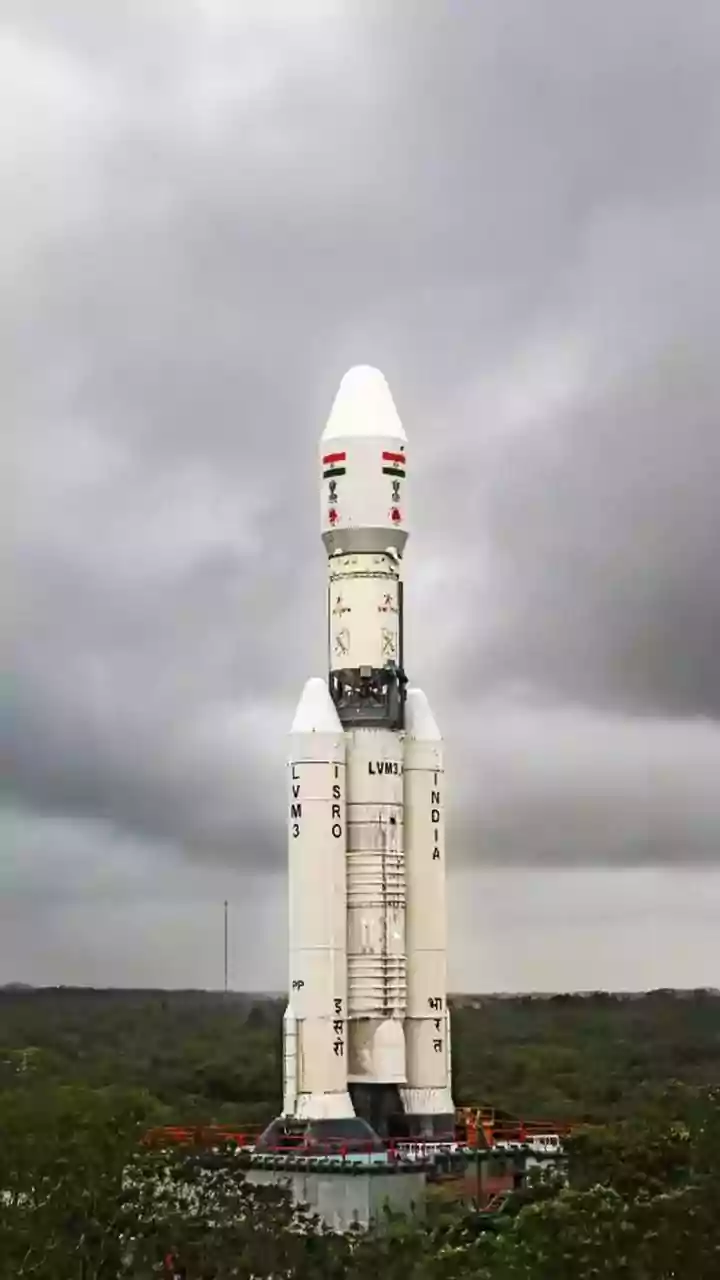
Enter the Venus Orbiter Mission, popularly known as Shukrayaan-1. Approved by the Indian government and slated for a 2028 launch, this mission is ISRO’s first dedicated voyage to our planetary twin. The roughly 2,500 kg orbiter will be launched aboard an LVM-3 rocket and carry about 100 kg of scientific instruments. After a journey of approximately 112 days, it will settle into a long, elliptical orbit around Venus, allowing it to study the planet’s atmosphere, ionosphere, and surface. One of its key objectives is to systematically map the composition of the atmosphere, looking specifically for the tell-tale signs of volcanic activity.
The Instruments for the Job
To hunt for this atmospheric evidence, Shukrayaan-1 will be equipped with a sophisticated suite of payloads. While the headline refers to a singular payload, the mission will use several instruments in concert. Payloads like the Venus Surface Emissivity and Atmospheric Mapper (VSEAM) and the Venus InfraRed Atmospheric gases Linker (VIRAL) instrument, a collaboration with Russia, are crucial. These are imaging spectrometers, which operate by analyzing light broken down into its constituent colours, or wavelengths. Each gas in the atmosphere, including sulfur dioxide, absorbs light at a unique set of wavelengths, creating a distinct 'fingerprint'. By studying the light passing through Venus's atmosphere, these instruments can identify the presence and measure the concentration of SO2. They can create detailed maps of these gases, allowing scientists to spot localized plumes or global spikes that could point directly to an eruption below.
Beyond the Gas
While detecting sulfur gas is a primary method, ISRO’s mission is adopting a multi-pronged approach. Shukrayaan-1 will also carry a high-resolution Synthetic Aperture Radar (SAR). Unlike optical cameras, radar can pierce through the thick Venusian clouds to map the surface below. The VSAR instrument will be tasked with creating surface maps an order of magnitude more detailed than the previous Magellan mission. This will allow scientists to look for direct physical evidence of volcanism, such as fresh lava flows or changes in the landscape around volcanic vents between observations. By combining the atmospheric gas data with high-resolution surface imaging, Shukrayaan-1 will build the most comprehensive case yet for whether Venus is a truly active world.