






The Rise of On-Demand Meals
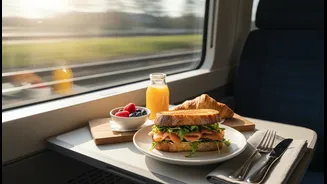
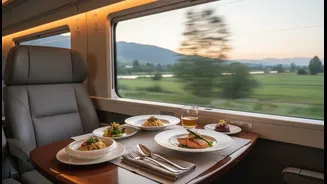
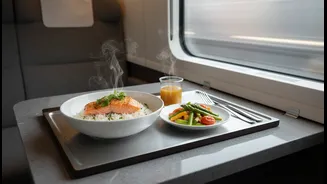
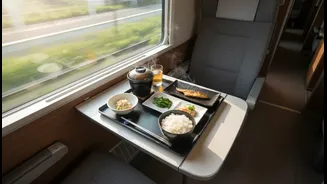
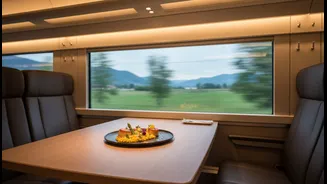
Not long ago, train journeys meant limited food choices: rely on the pantry car, pack from home, or take your chances with station vendors. Today, the landscape is transformed. The engine of this change is IRCTC’s e-Catering service, which allows passengers
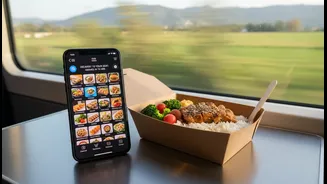
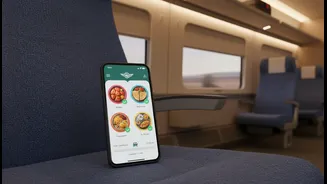
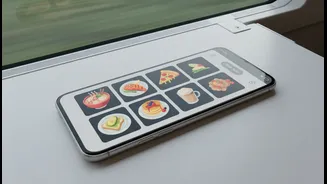
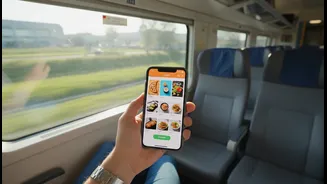
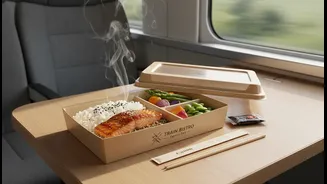
to order meals from a wide array of restaurants and have them delivered to their seats. This ecosystem is powered by partnerships with major food aggregators like Swiggy and Zomato, as well as specialised services like RailRestro and Zoop. Passengers can order via apps, websites, or even WhatsApp, using their PNR number to schedule deliveries at upcoming stations. The growth has been explosive. Swiggy, for instance, reported a threefold year-on-year growth in its 'Food on Train' service in the first quarter of FY27. This surge is especially strong in smaller towns, indicating a widespread shift in passenger expectations towards greater choice, quality, and convenience.
Navigating the Potential Pitfalls
While the convenience is undeniable, the system isn't without its risks. The most common passenger complaints involve food quality, hygiene, and delivery failures. Train delays are a major challenge, creating logistical nightmares for delivery partners and sometimes resulting in missed meals. Even a moderate delay of a few hours can disrupt the entire schedule, leaving passengers hungry and uncertain. Another concern is the authenticity of vendors. While IRCTC partners with FSSAI-approved restaurants, fraudulent websites and unauthorised vendors can target unsuspecting travellers. Food safety remains a critical issue, and while regulations are in place, enforcement across a vast network can be inconsistent. Passengers have reported issues ranging from cold or spoiled food to incorrect orders and messy packaging, making it essential to know your rights and the correct channels for complaints.
The Future on the Tracks
The journey of train food is accelerating. Technology is set to play an even bigger role, with a focus on AI-powered meal recommendations and better real-time logistics tracking to cope with train schedules. The integration of food ordering into unified travel apps that also handle ticketing and train tracking is a key trend. To streamline ordering, Swiggy recently launched a “Scan your Ticket” feature that automatically detects the PNR. We can also expect an expansion of restaurant networks and the entry of new players, which should lead to more competitive pricing and better service. The Indian Railways is also focusing on reforms to improve service quality and governance, which includes setting clearer standards for food vendors. For passengers, this means the future promises more regional cuisine options, greater reliability, and an overall safer and more enjoyable dining experience.
A Traveller's Checklist for Safe Ordering
To make the most of e-catering services while minimising risks, a little preparation goes a long way. First, always use official IRCTC channels or authorised partner apps like Swiggy, Zomato, or RailRestro to place your order. Check that the restaurant is FSSAI-approved. It's advisable to order well in advance—at least a few hours before your train is due at the delivery station—to avoid last-minute issues. Opting for cash on delivery can provide a layer of protection against fraudulent sites or failed deliveries. If you encounter a problem like a wrong order or poor quality, take a photo immediately. Familiarise yourself with the complaint process. You can raise an issue directly through the app you ordered from, or use the official railway helplines like 139. Keeping your PNR and order ID handy will speed up the resolution process.