







Meet the 12-3-30 Challenge
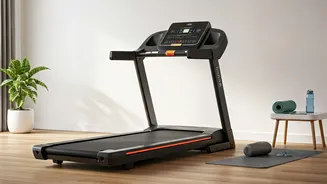
If you've scrolled through social media lately, you've likely seen it. The formula, known as the 12-3-30 workout, is deceptively simple: set a treadmill to a 12 percent incline, maintain a speed of 3 miles per hour, and walk for 30 minutes. Popularized
by creator Lauren Giraldo, the workout became a viral sensation because it offered a clear, structured, and non-intimidating approach to exercise. Unlike the perceived complexities of outdoor running—figuring out a route, pace, and duration—12-3-30 provides a straightforward prescription. For a generation accustomed to life hacks and clear instructions, its appeal is obvious: set the numbers and go.
The Appeal of Low-Impact and High-Control
A significant reason for the swap is physical. Outdoor running can be tough on the body, with every step sending force through the joints. The 12-3-30 workout, however, is low-impact walking. This makes it more accessible for beginners or those with joint concerns. Beyond the physical ease, it offers a level of control that outdoor environments can't match. There's no worrying about uneven terrain, bad weather, or personal safety after dark. This controlled setting allows for consistency, a key component of any fitness routine. You can watch a show, listen to a podcast, and complete a challenging workout without the variables and risks of the outside world.
Redefining Fitness for Mental Well-being
For Gen Z, fitness is increasingly viewed through a holistic lens where mental health is as important as physical health. Studies and surveys show that this generation uses exercise as a primary tool to manage stress, anxiety, and their overall mood. The punishing, performance-at-all-costs mindset is being replaced by a desire for sustainable, feel-good movement. The 12-3-30 challenge fits perfectly into this ethos. It’s challenging enough to release endorphins but not so grueling that it feels like a punishment. It represents a shift from exercising for aesthetics alone to exercising for sanity and strength.
Community, Not Competition
While running has its own strong community, the digital-native culture of Gen Z thrives on shared online experiences. The 12-3-30 trend created a massive, decentralized community where users share their progress, offer tips, and celebrate milestones on platforms like TikTok. This sense of doing it 'together' is a powerful motivator. It transforms a solitary activity into a collective one without the direct competition that can make traditional running clubs feel intimidating to newcomers. It's less about who is fastest and more about showing up and completing the challenge, fostering a more inclusive and supportive fitness culture.
Is It a Fair Trade?
While the 12-3-30 workout strengthens lower-body muscles and improves cardiovascular endurance, it's not a perfect replacement for running. Running often burns more calories in a shorter amount of time and engages different muscles, especially outdoors where varied terrain provides a more comprehensive workout. However, experts note that the best workout is the one you can stick with consistently. For many in Gen Z, the accessibility, predictability, and mental health benefits of this indoor challenge make it a more sustainable choice than a traditional run they might dread or skip. It's a trade-off they seem more than willing to make.