

The Diesel Dilemma
For decades, the roar of a diesel pump was the sound of survival for many farmers in Maharashtra. It was a necessary tool to draw water in regions with unreliable grid electricity. However, this reliance has become a heavy financial burden. The relentless
rise in diesel prices directly translates to higher irrigation expenses, eating into already thin profit margins. A farmer running a 5 HP pump could spend anywhere from ₹75,000 to ₹1,00,000 annually on fuel alone. Beyond the cost, diesel pumps are noisy, polluting, and require frequent, often costly, maintenance for issues like oil changes and engine wear. When a pump breaks down during a critical irrigation period, the resulting crop loss can be devastating for a small farmer.
The Solar and Drip Solution
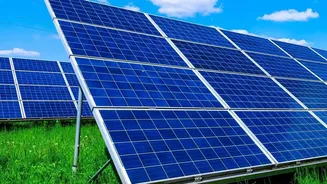
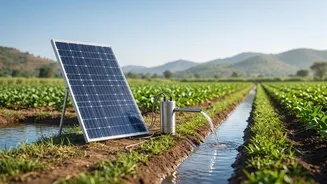
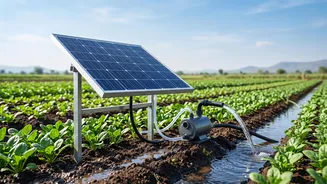
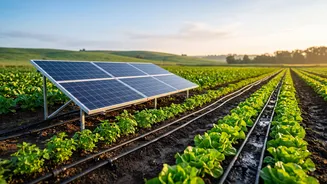
The alternative that is gaining widespread acceptance pairs two technologies: solar-powered pumps and drip irrigation systems. A solar pump uses photovoltaic panels to generate electricity, which powers a motor to draw water from a well, borewell, or pond. This water is then fed into a drip irrigation network—a system of pipes and emitters that delivers water slowly and directly to the base of each plant. This combination addresses the two biggest challenges for farmers: energy costs and water scarcity. The solar pump provides free, clean energy during the day, precisely when crops need water the most. The drip system ensures that not a drop of that precious water is wasted through evaporation or runoff, a crucial advantage in drought-prone areas of Maharashtra like Marathwada and Vidarbha.
A Push from the Government
This agricultural shift is not happening in a vacuum. It is being actively encouraged by significant government support. Schemes like the central government's PM-KUSUM (Pradhan Mantri Kisan Urja Suraksha evam Utthaan Mahabhiyan) and Maharashtra's own Mukhyamantri Saur Krushi Pump Yojana are designed to make the transition affordable. These programs offer substantial subsidies, covering up to 90% or 95% of the initial installation cost for a solar pump system. For a farmer, this can reduce the upfront payment to an amount that is often less than what they would spend on diesel in a single season. With a payback period on their initial investment as short as four to seven months, the financial logic becomes undeniable for many.
Economic and Environmental Wins
The benefits extend far beyond individual farms. Economically, the move to solar liberates farmers from the volatility of global fuel markets. With negligible running costs after installation, farmers can save lakhs of rupees over the 25-year lifespan of a solar panel system. This financial relief allows for reinvestment in better seeds, fertilisers, or even crop diversification. Case studies from villages like Tulyachapada in Palghar show that reliable, year-round water from solar drip systems has increased cultivated land, boosted incomes, and reduced the need for seasonal distress migration to cities. Environmentally, replacing a single diesel pump can cut CO2 emissions by 1.4 to 2 tonnes per year. It eliminates noise pollution and the risk of soil and water contamination from fuel and lubricant spills. By promoting efficient water use, drip irrigation helps conserve groundwater, a critical issue in a state where agriculture consumes over 80% of available water.