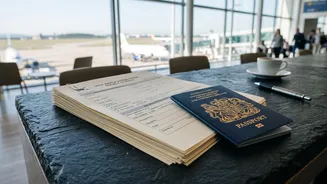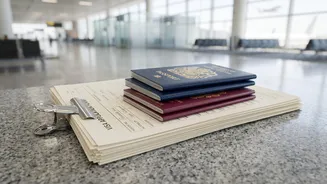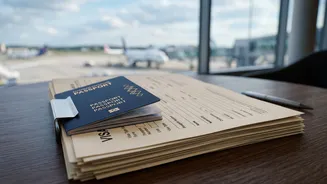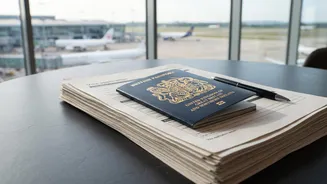





The dream of seamless international travel feels more distant than ever for many. A new global survey confirms this frustration, revealing that complicated entry requirements are now a major deterrent for a growing number of aspiring travellers.
A Growing Hurdle in a Digital World
Just as
travellers are getting comfortable with using technology like biometrics and even AI to plan their trips, the bureaucracy of simply entering a country is becoming a bigger problem. According to the 2026 Global Passenger Survey (GPS) from the International Air Transport Association (IATA), 43% of travellers have been discouraged from visiting a destination specifically because of its immigration requirements. This figure is a significant jump from 33% just a year ago in 2025, indicating that the problem is not only persistent but worsening. The survey, which gathered responses from over 10,000 travellers across 200 countries, paints a clear picture: while technology is making parts of travel easier, administrative hurdles are pushing potential tourists away.
Complexity is the Biggest Complaint
When travellers decide against a trip due to entry rules, the primary reason is not the cost or privacy concerns, but the sheer complexity of the process. The IATA survey found that among those deterred by immigration formalities, a majority of 53% cited the process as being too confusing and difficult to navigate. In comparison, cost and data privacy concerns were each cited by only 17% of this group. This highlights a critical pain point for travellers worldwide. It suggests that people are willing to pay and share information if needed, but they are increasingly unwilling to spend their time and energy navigating convoluted paperwork, uncertain timelines, and confusing government websites just to get permission to visit a country.
An All Too Familiar Story for Indian Travellers
While the IATA survey reflects a global sentiment, these findings are particularly resonant for Indian passport holders. Travellers from India often face some of the most stringent visa application processes for popular destinations in Europe and North America. The survey's regional data shows that the Asia-Pacific region is significantly impacted by these rules, with 49% of travellers discouraged by entry requirements. The struggle with securing appointments, gathering extensive documentation, and facing long, uncertain waits is a common narrative in Indian travel circles. The IATA data provides statistical backing to what many Indians already know from experience: the dream of a spontaneous international trip is often grounded by the reality of visa bureaucracy.
The Push for a Digital, Simpler Future
The good news is that travellers are overwhelmingly in favour of digital solutions. The survey shows a strong desire for technology that simplifies these processes. An overwhelming 86% of passengers said they are willing to share immigration information digitally before departure to speed things up. Furthermore, 60% of travellers now prefer to apply for a visa online, compared to just 25% who would rather go in person to a consulate. Passengers are also embracing biometrics, with 58% having used it at an airport in the last year and 87% reporting satisfaction with the experience. IATA is using this data to call on governments to adopt more streamlined, digital_first approaches. Nick Careen, IATA's Senior Vice President, urged governments to 'simplify entry requirements, eliminate duplicate checks, and accelerate the issuance and acceptance of secure digital travel credentials'.