






The Post-Monsoon Humidity Trap
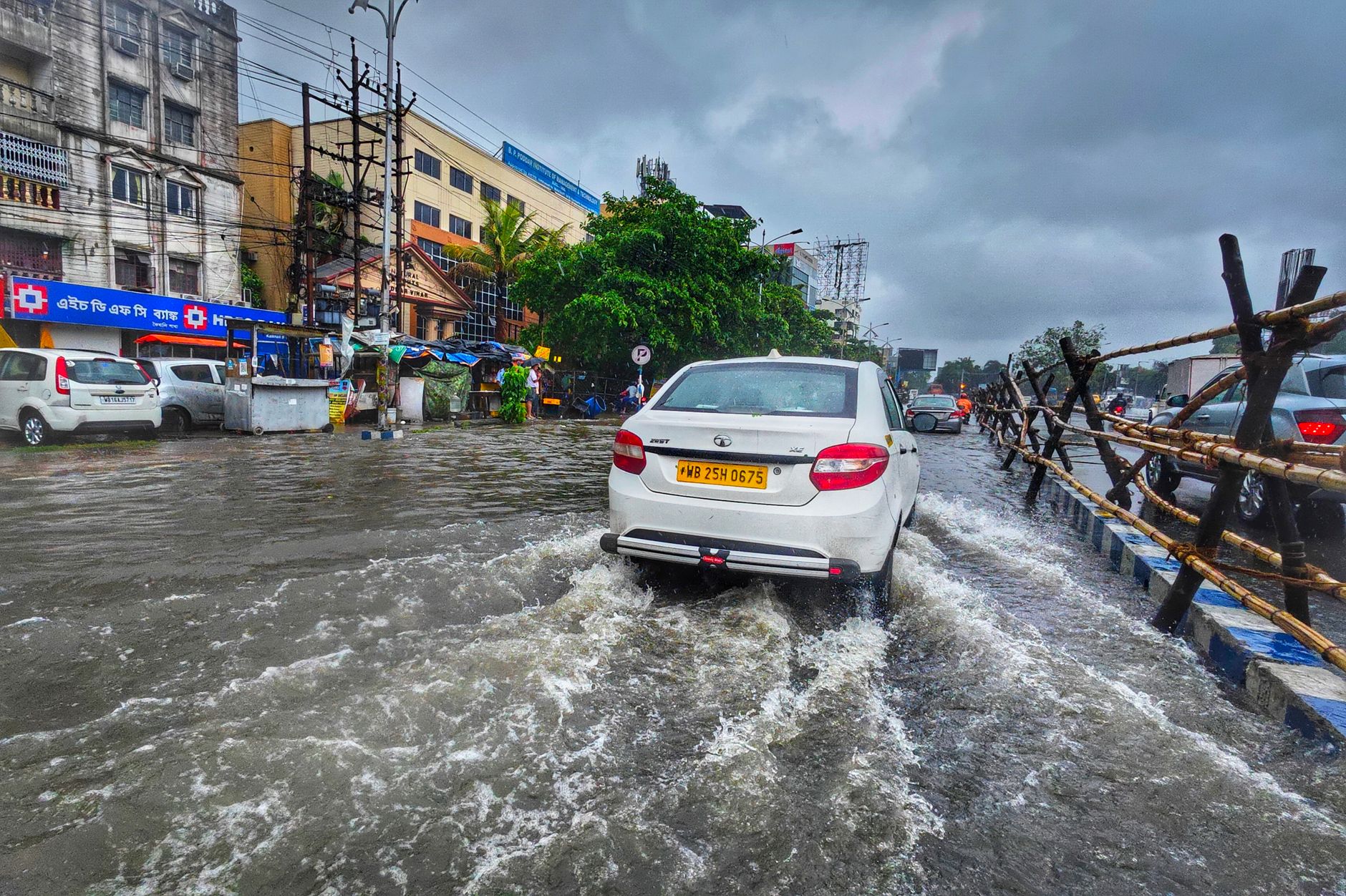
After weeks of rain, the sun returns, but the moisture in the air lingers, creating high-humidity conditions. This is often referred to as the 'second summer' in many parts of India. When it's humid, your sweat doesn't evaporate efficiently from your skin.
Evaporation is the body's primary cooling mechanism, so when it's hampered, your body has to work much harder to regulate its internal temperature. This extra effort can leave you feeling drained, tired, and perpetually lethargic, a state many describe as the 'post-monsoon slump'. It's not just in your head; the climate is putting real physical stress on your system.
Why Plain Water Isn't Always Enough
When you feel tired and sweaty, the instinctive response is to drink lots of plain water. While staying hydrated is crucial, it's only half the story. When you sweat heavily, you lose not just water but also essential minerals called electrolytes. These include sodium, potassium, magnesium, and calcium. If you replenish only the water, you risk diluting the concentration of electrolytes remaining in your body. This imbalance can prevent your cells from absorbing the water effectively, leading to a situation where you're drinking plenty of fluids but not actually rehydrating properly. This can worsen feelings of fatigue and lead to other issues like muscle cramps and headaches.
Meet the Electrolytes: Your Body's Spark Plugs
Think of electrolytes as the minerals that carry tiny electrical charges in your body. They are fundamental for a host of critical functions. They help regulate fluid balance, ensuring water gets to where it's needed inside your cells. They also manage nerve signals, muscle contractions (including your heartbeat), and maintain your body's proper pH balance. Without enough of them, nerve and muscle functions can become impaired, leading to that feeling of sluggishness, weakness, and even mental fog. In short, they are vital for turning water into functional hydration and keeping your energy systems online.
Signs You May Need an Electrolyte Boost
Your body is pretty good at telling you when something is off. An electrolyte imbalance often masquerades as simple dehydration, but the symptoms can be distinct. Watch out for persistent fatigue that doesn't improve with rest, frequent headaches, or dizziness, especially when standing up. Muscle-related signs are also very common, including weakness, twitching, or painful cramps, even without intense exercise. Some people also experience unusual cravings for salty foods, which is the body's way of asking for sodium, a key electrolyte lost in sweat. If you're drinking water but still feel thirsty or run-down, it's a strong clue you need more than just H2O.
Smart Ways to Replenish Electrolytes
Replenishing electrolytes doesn't always require a special sports drink, especially since many are high in sugar. For most daily needs during humid weather, food is your best first choice. Bananas, oranges, and coconut water are excellent natural sources of potassium. Leafy greens like spinach, along with nuts and seeds, are packed with magnesium. Dairy products like yogurt and milk provide calcium. You can easily make your own electrolyte drink at home by mixing a glass of water with a pinch of salt, a squeeze of lemon, and a teaspoon of honey. For situations involving prolonged outdoor work, intense exercise lasting over an hour, or illness, a commercial electrolyte drink or oral rehydration solution (ORS) can be very effective at quickly restoring balance.