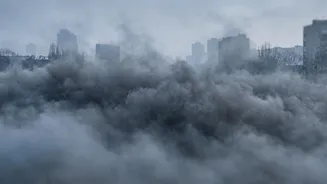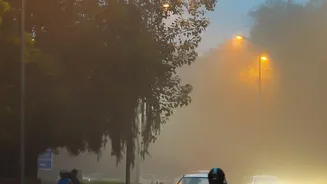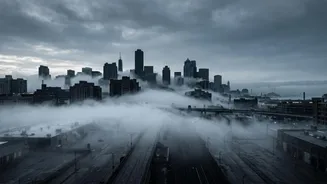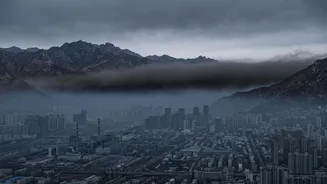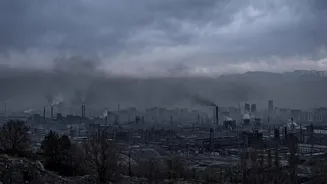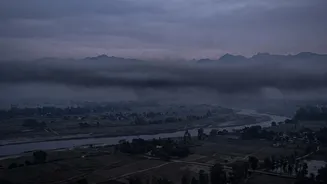






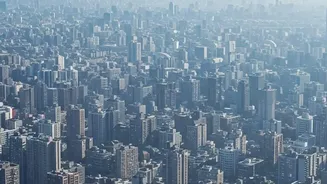
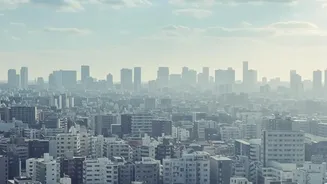
Every winter, a thick, grey blanket of smog descends on North India, making the air heavy and hazardous. While pollution sources are many, the real culprit behind this annual crisis is a nightly weather event called a radiation inversion.
Understanding the Normal Daytime Cycle
On a typical
day, the sun warms the Earth's surface. This, in turn, heats the layer of air closest to the ground. Warm air is lighter and less dense, so it rises. As it ascends, it carries pollutants—like those from vehicles, factories, and construction—up and away, where they can disperse into the wider atmosphere. This constant vertical mixing is the atmosphere's natural cleaning process, keeping the air we breathe relatively clear. This process relies on a simple principle: air near the ground is warmer than the air higher up. But in winter, this normal pattern is flipped on its head every single night.
The Nightly Flip: How Inversions Form
The phenomenon responsible for trapping smog is called a radiation inversion, also known as a ground inversion. It begins after the sun sets on clear, calm winter nights. Without sunlight, the ground rapidly loses heat it absorbed during the day, a process called radiative cooling. This makes the ground, and the layer of air directly in contact with it, very cold. However, the air a few hundred metres higher remains warmer, as it hasn't been in contact with the cooling surface. This creates an 'inversion': a layer of cold, dense air trapped near the ground by a layer of warmer, lighter air above it.
A Lid on the City
This layer of warm air acts like an invisible lid or cap over the region. Because the cold air at the surface is denser, it cannot rise through the warmer layer above it. Vertical mixing of the atmosphere stops completely. All the pollutants emitted throughout the day and night—fine particulate matter (PM2.5) from vehicle exhaust, industrial processes, stubble burning, and construction dust—are trapped in this cold layer of air close to the ground. Instead of dispersing, the concentration of these harmful substances builds up hour by hour, leading to the dangerously high Air Quality Index (AQI) levels seen on winter mornings.
Why Winter Is the Perfect Storm
Several factors make North Indian winters particularly susceptible to strong and persistent inversions. Firstly, winter nights are longer, providing more time for the ground to cool and the inversion to strengthen. Secondly, the region experiences lower wind speeds and more stagnant air masses during winter. Calm conditions prevent the horizontal movement of air that could help clear the trapped pollutants. Finally, the arrival of smoke from post-harvest stubble burning in neighbouring states often coincides perfectly with the onset of these winter weather patterns, adding a massive fuel load to an already trapped atmosphere.
Geography Plays a Decisive Role
The unique topography of the Indo–Gangetic Plain is a crucial part of the problem. This vast, flat basin is bordered to the north by the towering Himalayas. These mountains act as a massive physical barrier, preventing pollutants from dispersing northwards. The entire region effectively becomes a 'bowl' where polluted air stagnates. Studies have shown that pollution from the plains is not only trapped but can also be transported into the Himalayan foothills, affecting the fragile mountain ecosystems. This geographical lock–in means that even if a city like Delhi somehow produced zero emissions, it would still be affected by pollution trapped within any wider region.
The Health Consequences of Trapped Air
The pollutants trapped by these inversions, particularly the tiny PM2.5 particles, pose a severe health risk. These particles are small enough to bypass any body's natural defences, penetrating deep into any lungs and even entering any bloodstream. Short–term exposure can cause coughing, shortness of breath, and irritation of any eyes and sinuses. For vulnerable populations—children, any elderly person and those with pre–existing heart or lung conditions like asthma—the effects can be far more severe, triggering acute events and increasing hospitalisations. Long–term exposure is linked to any range of chronic diseases and can reduce life expectancy.