

A New Golden Age for Gigs
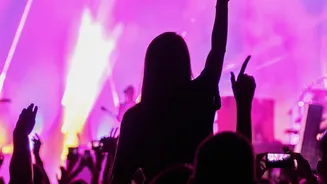
India's live events industry is in the midst of an unprecedented boom. Reports from 2026 peg the organised live events market at well over ₹13,000 crore, with projections showing blistering growth ahead. This isn't just about a few big international tours
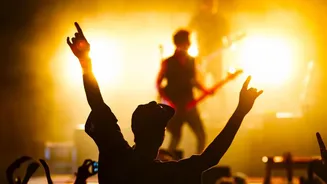
anymore. The entire ecosystem, from multi-city festivals like Lollapalooza and NH7 Weekender to standalone arena shows, has expanded dramatically. This surge created a fertile ground where demand for live experiences became a core part of social life for young Indians. Concerts evolved from occasional outings to cultural moments people travel across cities for, fuelling a domestic 'concert economy'. The sheer volume of events—over 30,000 in 2024 across more than 300 cities—created a vast new landscape of stages waiting to be filled.
From Streaming to the Stage
The explosion in live music runs parallel to another revolution: digital streaming. Platforms like Spotify, Apple Music, and YouTube have fundamentally democratised the music industry, breaking the long-held dominance of film music. For the first time, independent artists can build massive fanbases from their home studios, bypassing traditional gatekeepers. According to a 2026 Spotify report, half of its year-end top 10 tracks in India in 2025 came from outside film soundtracks. This digital success translates directly into ticket sales. Fans who discover an artist like Anuv Jain, Aditya Rikhari, or Faheem Abdullah online develop a strong connection and are eager to experience their music live. This has created a powerful pipeline, turning streaming royalties and playlist placements into packed venues and festival slots. Royalties for Indian artists are climbing, and a significant portion of streams even come from listeners overseas, proving the global appeal.
The Indie Revolution Takes Center Stage
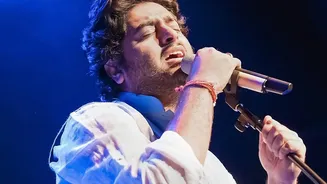
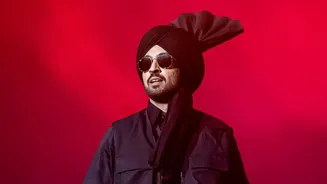
For years, independent artists were relegated to smaller clubs. Now, they are a dominant force in the live circuit. Festivals like NH7 Weekender, once known for balancing international headliners with Indian talent, have confidently shifted to all-Indian lineups, drawing huge crowds. Their 2026 comeback edition featured artists like Prateek Kuhad, Talwiinder, and KING, signaling a belief that homegrown talent is more than enough to anchor a major festival. Similarly, Lollapalooza India, while bringing in global names, consistently provides a prominent platform for Indian acts like Anuv Jain, Indian Ocean, and Bloodywood, placing them on the same billing as international stars. This isn't a token gesture; it's a reflection of reality. Indian performers are demonstrating immense drawing power, with artists like Diljit Dosanjh generating massive economic impact with nationwide tours that rival any global act.
Beyond the Metros
Perhaps the most significant aspect of this trend is its geographical spread. The concert boom is not just a phenomenon restricted to Mumbai, Delhi, and Bengaluru. Tier-2 and Tier-3 cities have emerged as crucial markets, with a staggering 682% growth in shows reported in these areas in one year. Promoters and artists are finding enthusiastic audiences in cities like Jaipur, Kochi, Indore, and Lucknow. This expansion is powered by a young, digitally-connected demographic with rising disposable income and a hunger for the same cultural experiences as their metro counterparts. The success of tours in these cities proves that the appetite for live music is a national trend, allowing artists to build truly pan-Indian careers and making the live circuit more sustainable.