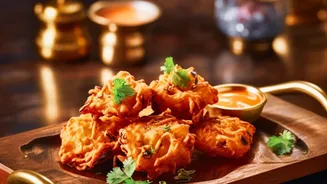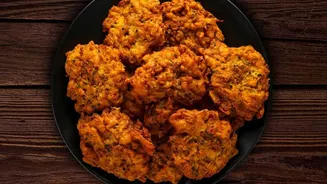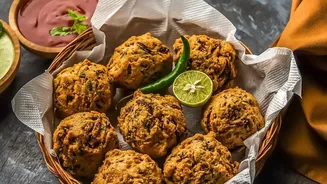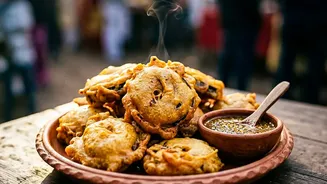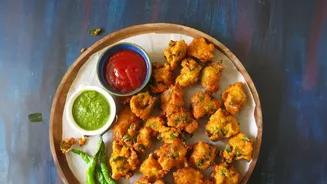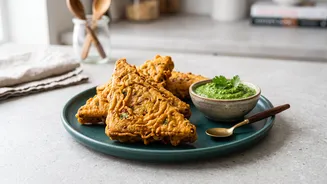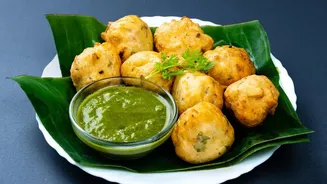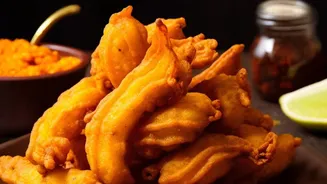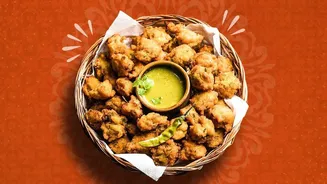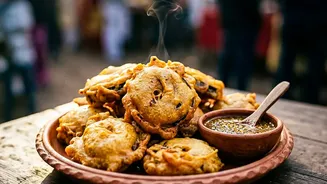

Why Temperature Is Everything
The difference between a glorious, crunchy pakora and a sad, greasy one is almost always the temperature of the oil. When a batter-coated pakora hits hot oil, the moisture in the batter turns to steam, creating an outward pressure that prevents oil from
seeping in. This process rapidly cooks the besan (gram flour) batter, forming a protective, crispy shell. If the oil is too cool, this reaction is slow and weak. Instead of forming a barrier, the pakora sits in the oil, absorbing it like a sponge and becoming heavy and soggy. Conversely, if the oil is scorching hot, the outside will burn long before the potato filling inside has a chance to heat through. Mastering the temperature is mastering the art of the perfect pakora.
The Ideal Temperature Range
For those who own a deep-fry or candy thermometer, precision is your best friend. The ideal temperature for frying most pakoras, including bread pakora, is between 175°C and 190°C (350°F to 375°F). Some sources suggest a slightly lower range of 150°C to 180°C to ensure the inside cooks properly without the outside darkening too fast. A good rule of thumb is to heat your oil over a medium to medium-high flame. Frying at a consistent medium heat is key; low heat leads to oil absorption, while high heat risks burning the exterior. Using a heavy-bottomed pot or kadhai is also recommended as it helps maintain a more stable temperature.
Testing Oil Without a Thermometer
Don't have a thermometer? Don't worry. Indian home cooks and street vendors have been getting it right for generations using simple, effective tests. The most common method involves using a small piece of the batter. Drop a tiny amount into the oil. If it sizzles, rises to the surface quickly, and turns golden, the oil is ready. If it sinks and stays at the bottom, the oil is too cold. If it turns dark brown almost instantly, the oil is too hot; lower the heat and wait a minute before testing again. Another popular technique is the wooden spoon or chopstick test. Dip the dry, wooden tip into the oil. If the oil is ready, it will start to bubble steadily around the wood. No bubbles means it's not hot enough, while vigorous, angry bubbling means it's too hot.
How to Maintain the Perfect Heat
Getting the oil to the right temperature is only half the battle; keeping it there is just as important. The biggest mistake is overcrowding the pan. Adding too many cold pakoras at once will cause the oil's temperature to drop dramatically, leading to greasy results. Always fry in small batches, giving the oil time to recover its temperature between each batch. When you slide a pakora in, the temperature will naturally dip. You may need to adjust the flame slightly to bring it back into the ideal range. Pay attention to the sizzle and the speed of browning to guide you. If you remove a batch and the next one browns much faster, your oil is getting progressively hotter and the flame needs to be lowered.
Bonus Tips for Crispy Success
Beyond temperature, a few other tricks can lead to a crispier, less oily bread pakora. Ensure your batter isn't too thin or runny, as this can lead to sogginess. A good batter should coat the bread without being overly thick. A clever trick is to add a teaspoon or two of the hot frying oil directly into your prepared batter and whisking it in. This is said to help make the pakora crispier and reduce overall oil absorption. Some recipes also suggest adding a small amount of rice flour or cornstarch to the besan for an extra-light and crunchy crust. Finally, once fried to a perfect golden brown, place the pakoras on a wire rack or paper towels to drain any excess surface oil before serving.