




The Unsung Hero of the Spice Box
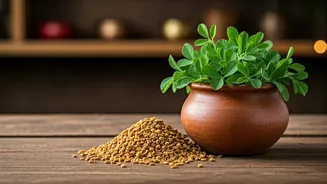
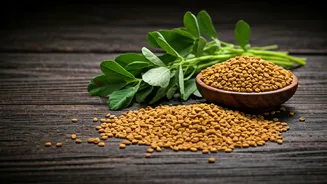
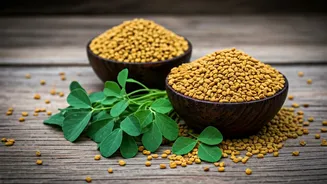
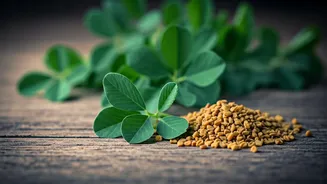
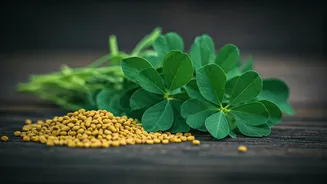
Fenugreek, known in India as methi, is a versatile plant where both its seeds and leaves are used in cooking. While the seeds are pungent and feature in many spice blends, the leaves offer a more subtle, yet deeply aromatic, experience. Available in three
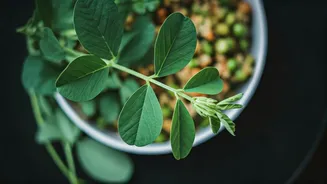
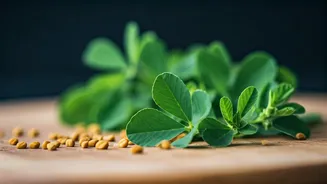
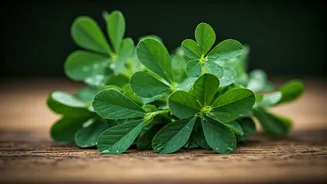
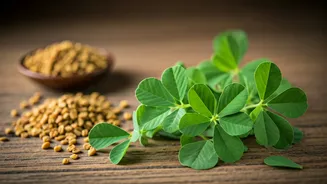
main forms—fresh, dried (kasuri methi), and frozen—this leafy green is a staple in kitchens across the country. Fresh methi looks like clover and has a vibrant, slightly bitter taste. The dried version, kasuri methi, is made from sun-drying the leaves and has a more concentrated, earthy aroma. It's named after the Kasur region of Punjab, now in Pakistan, where it was traditionally grown. This humble herb is one of the secret weapons used in restaurants to give curries that authentic, unforgettable flavour.
A Flavour Unlike Any Other
Describing the taste of fenugreek leaves can be tricky, as it’s a complex and unique profile. It has a slightly bitter undertone, often compared to celery or fennel, but it's balanced by a savoury, nutty quality and a surprisingly sweet, maple-like finish. This distinctive flavour mellows and deepens when cooked, seamlessly blending into dishes. The aroma is equally potent; fresh leaves carry a green, herbaceous scent, while dried kasuri methi releases a warm, musky, and almost smoky fragrance, especially when crushed or toasted. It's this ability to add a deep, savoury note that makes it so indispensable in rich, tomato-based curries, where its bitterness cuts through the sweetness beautifully.
The 'Little Effort' Promise
The beauty of methi lies in its simplicity. A small amount can elevate a dish without requiring complicated techniques. One of the most classic and straightforward preparations is Aloo Methi, a simple stir-fry of potatoes and fresh fenugreek leaves with a few mild spices. Another easy application is adding it to lentils. A handful of fresh leaves or a teaspoon of crushed kasuri methi stirred into dal at the end of cooking adds a new dimension of flavour. For an effortless flavour boost, kasuri methi can be crushed between your palms and sprinkled over a finished curry or vegetable dish, a technique that releases its aromatic oils instantly. It's also a popular addition to the dough for flatbreads like parathas and theplas.
Fresh, Dried, or Frozen: Which to Use?
Choosing between fresh, dried, and frozen fenugreek depends on the recipe and availability. Fresh methi is excellent in dishes where it's a primary ingredient, like Aloo Methi or other sabzis. When buying fresh, look for perky, green bunches and store them wrapped in paper towels in the fridge for a few days. Dried kasuri methi is far more potent and has a different, more intense flavour. It’s best used as a finishing herb, added in small quantities at the end of cooking to preserve its aroma. A general rule is to use about three times the amount of fresh leaves if a recipe calls for dried. Frozen methi, which is usually blanched and chopped, is a convenient substitute for fresh and works well in cooked dishes like dals and curries.
More Than Just Flavour
Beyond its culinary appeal, fenugreek leaves are a nutritional powerhouse. They are a good source of essential nutrients like vitamins A and C, iron, and calcium. Rich in dietary fibre, methi is known to aid digestion, helping with issues like bloating and constipation. Its anti-inflammatory properties and antioxidants contribute to overall wellness, supporting everything from skin and hair health to managing blood sugar levels. While it has a long history in traditional medicine, incorporating it into your diet is an easy way to add a healthful boost to your meals.