



Anatomy of a Himalayan Flood
When we hear 'flood', we often picture a river slowly rising after days of rain. But in high mountains like the Himalayas, floods are a different beast entirely. They are often sudden, violent, and carry more rock than water. Events like the 2021 Melamchi
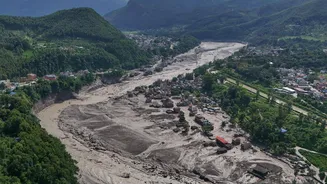
Valley disaster in Nepal are textbook examples. It wasn't just a flood; it was a 'debris flow'—a fast-moving slurry of mud, boulders, and uprooted trees. These events start high in the mountains and gather immense destructive power as they plummet downstream, triggered by a complex interplay of natural forces that can turn a peaceful valley into a disaster zone in minutes.
Ice: The Warming Threat Above
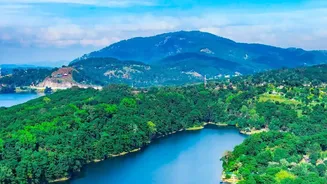
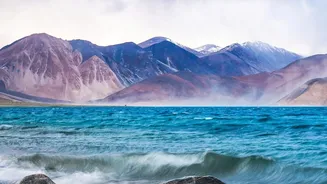
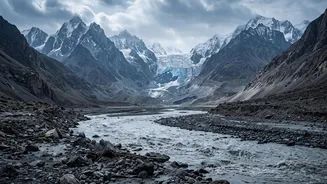
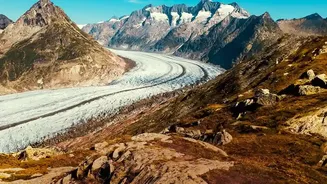
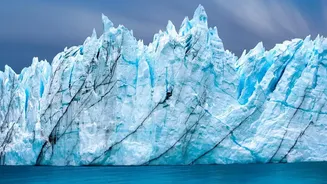
The story of many Himalayan floods begins with ice. The region is home to thousands of glaciers, which are melting at an accelerating rate due to climate change. As these glaciers shrink, they leave behind vast lakes filled with meltwater. These are known as glacial lakes, and many are held back only by natural dams made of loose rock and soil called moraines. These moraine dams are often unstable. As the lakes grow larger, the pressure on these fragile barriers increases, setting a precarious stage for a potential disaster known as a Glacial Lake Outburst Flood (GLOF).
Rock: The Unstable Foundation
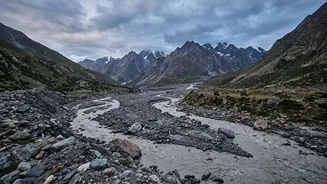
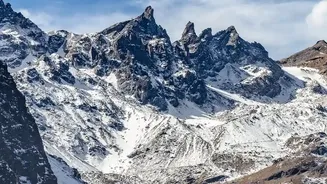
Rock and loose sediment are the second crucial element. The Himalayas are geologically young and active, with steep, unstable slopes. An avalanche of rock or ice crashing into a glacial lake can cause a massive wave to overtop the moraine dam, triggering a GLOF without the dam even failing completely. In other cases, a landslide can block a river, creating a temporary dam. This is what happened in the Melamchi disaster, where intense rainfall triggered landslides that blocked the river. When this natural dam inevitably burst, it released a devastating torrent mixed with the very debris that formed it.
Water: The Overwhelming Trigger
Water is the immediate trigger, but it often arrives in overwhelming bursts. This can be the sudden release from a bursting glacial lake, but it is frequently amplified by extreme weather. The 2021 Melamchi flood was a result of a deadly combination of heavy monsoon rainfall and excessive snowmelt. This surge of water overwhelmed river systems and saturated the ground, triggering landslides. A cloudburst—an extreme, sudden downpour—can have a similar effect, dumping a massive volume of water onto a small area, dislodging loose soil and rock and turning small streams into destructive torrents.
Terrain: The Destructive Funnel
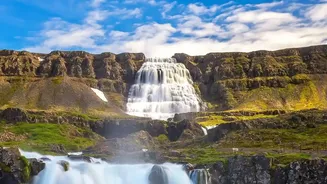
Finally, the terrain itself acts as an amplifier. The steep slopes and narrow valleys of the Himalayas channel floodwaters, causing them to accelerate and gain immense erosive power. The V-shaped canyons don't just guide the water; they focus its energy, allowing it to pick up more and more debris, growing in volume and destructive capability as it travels. This funnel effect is why a hazard that originates in a remote, high-altitude area can have catastrophic impacts on towns and infrastructure located many kilometres downstream.
A Familiar Danger for India
This dangerous recipe of ice, rock, water, and terrain is not unique to Nepal. The Indian Himalayas face identical risks. States like Uttarakhand and Himachal Pradesh are highly vulnerable to GLOFs, cloudbursts, and landslide-induced floods. The 2021 Chamoli disaster in Uttarakhand, where a rock and ice avalanche triggered a flash flood, was a stark reminder of this shared vulnerability. As climate change makes rainfall more erratic and accelerates glacial melt, understanding this complex interaction is crucial for protecting communities on both sides of the border.