

Embrace Whole Grains
One of the easiest swaps for better health is choosing whole grains over refined ones. Refined flour (maida) and polished white rice are stripped of their fibrous outer layers. Making the switch to whole wheat atta for your daily rotis is a fantastic
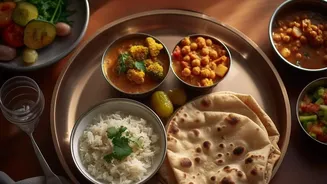
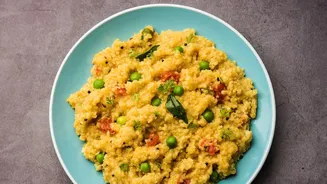
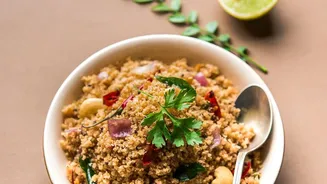
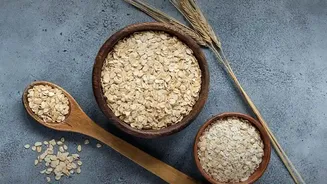
start. Millets like jowar, bajra, and ragi are also fibre powerhouses and can be easily made into rotis, porridge, or even dosas. If you're a rice lover, you don't have to give it up. Simply swapping white rice for brown rice a few times a week, or mixing them, can significantly increase your fibre intake. Even your breakfast can get a fibre boost by choosing oats upma or daliya instead of options made with refined grains.
Lean on Lentils and Legumes
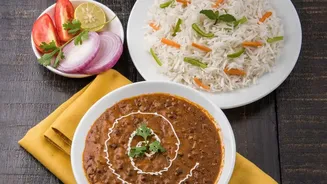
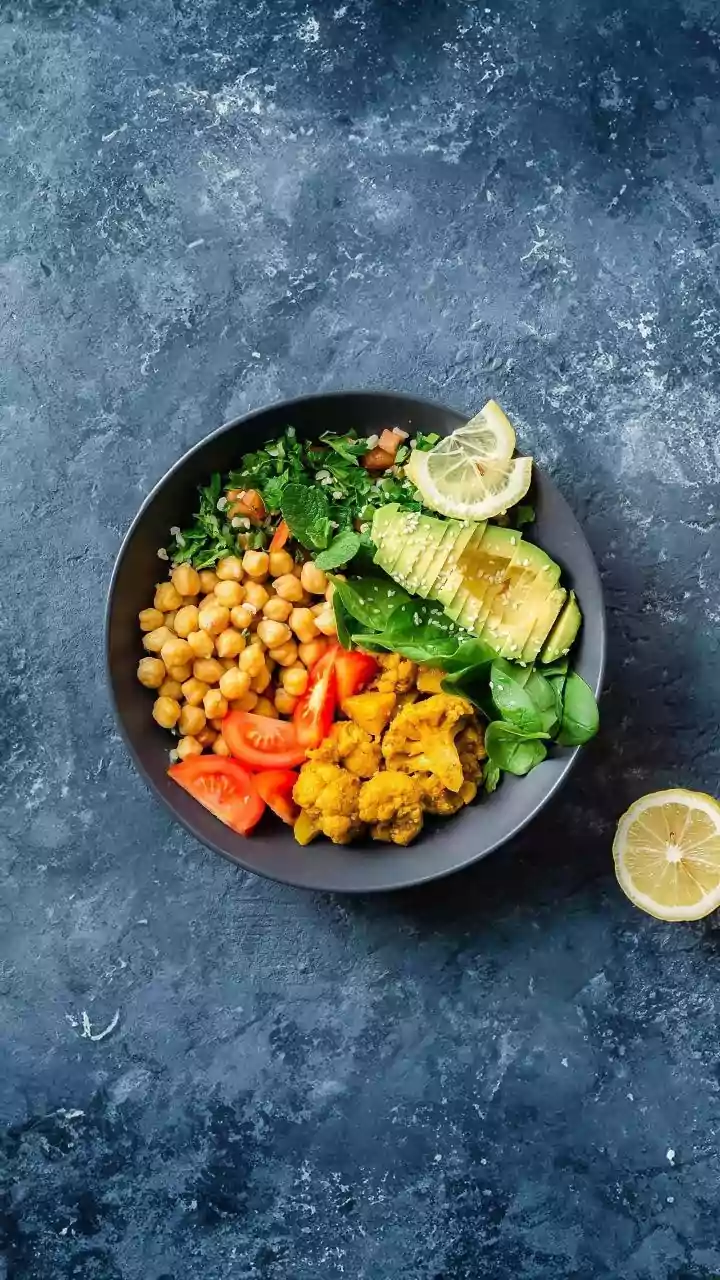
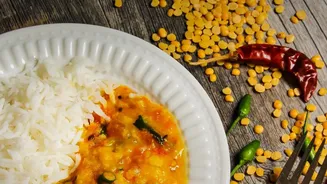
Lentils (dals) and legumes (like chickpeas and kidney beans) are the backbone of Indian cuisine and are packed with both soluble and insoluble fibre. A hearty bowl of dal, whether it's toor, moong, or masoor, is a comforting and fibre-rich addition to any meal. Dishes like rajma masala and chana curry are not just delicious weekend treats; they are loaded with fibre that keeps you feeling full and aids digestion. To increase your intake, try making your dal thicker, ensuring you consume the cooked pulses and not just the water. You can also add sprouts to salads or have a bowl of boiled chana as a snack. Including at least one portion of dal or legumes in your main meals is a simple and effective strategy.
Fill Up on Fruits and Vegetables
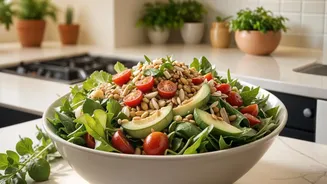
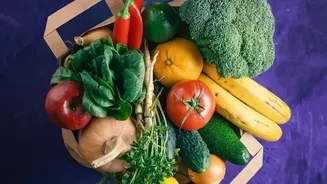
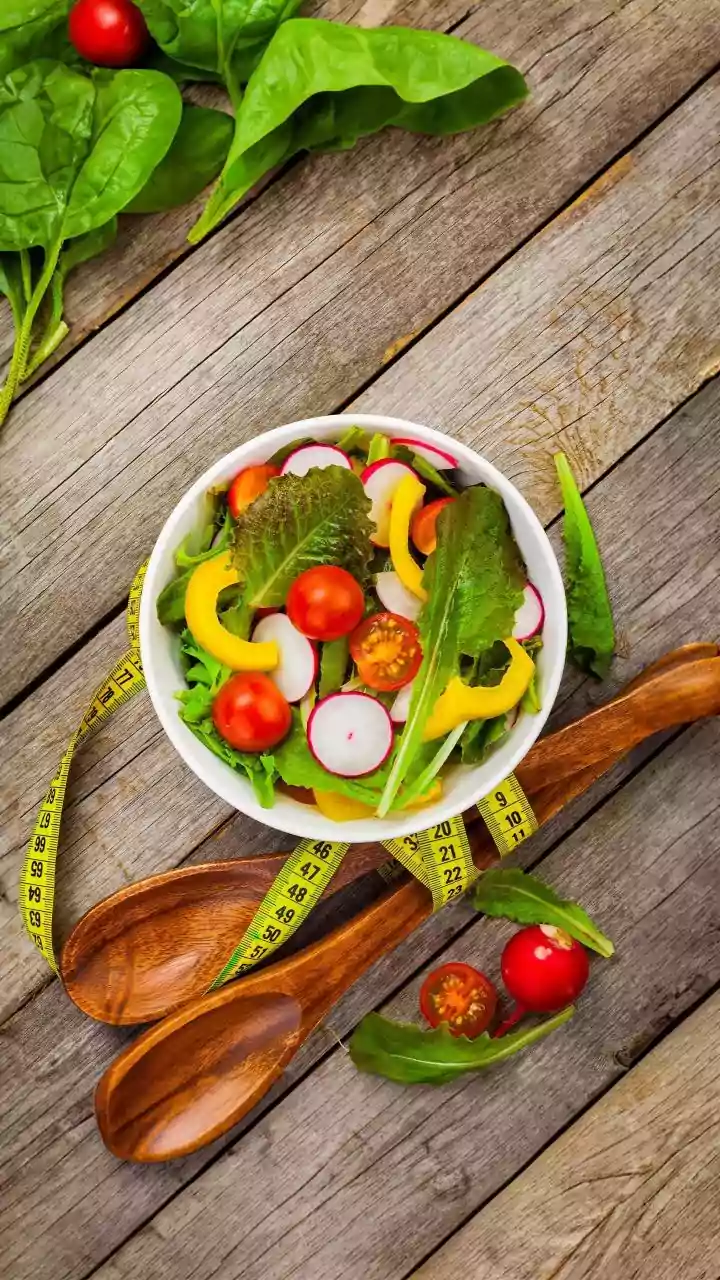
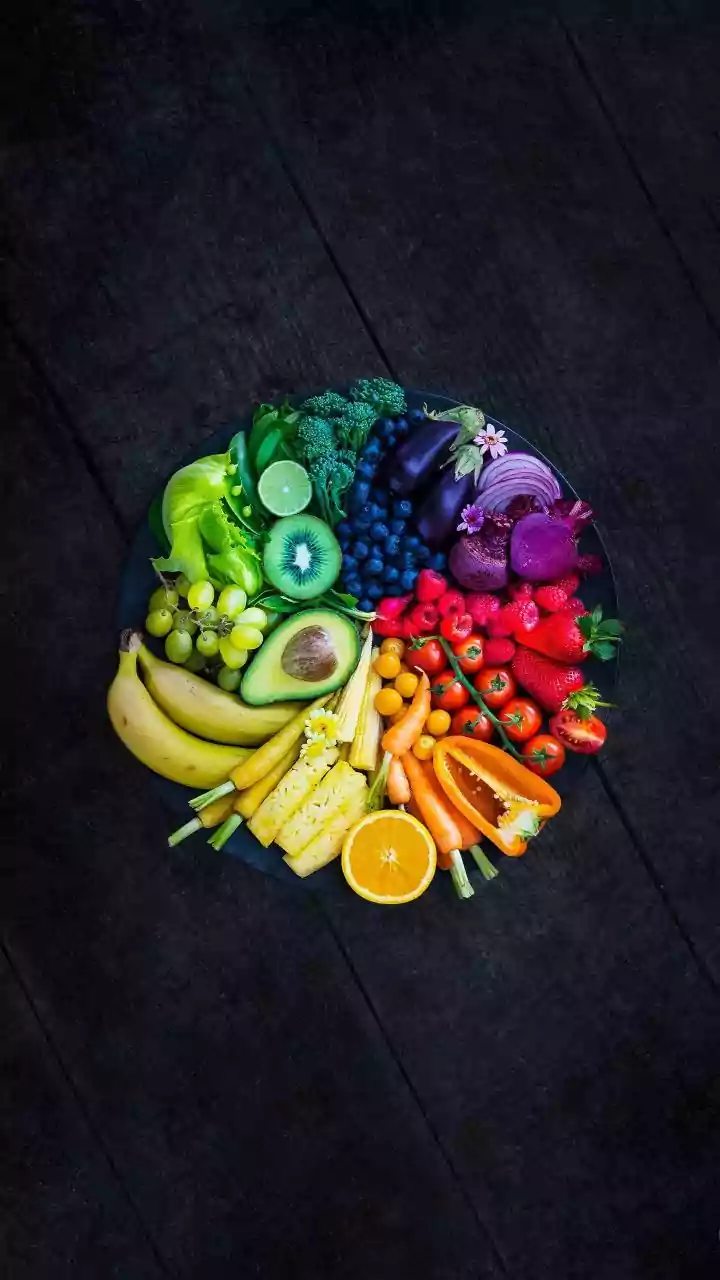
Fruits and vegetables are essential sources of vitamins, minerals, and, of course, fibre. Whenever possible, eat fruits with their skin on, like apples and pears, as the peel contains a significant amount of fibre. Guava is an especially high-fibre fruit commonly available in India. Instead of drinking fruit juice, which removes most of the beneficial fibre, opt for eating the whole fruit. When it comes to vegetables, variety is key. Everyday vegetables like bhindi (okra), green peas, carrots, and leafy greens all contribute to your daily fibre goals. Aim to fill half your plate with vegetables, whether in the form of a sabzi, a generous salad, or mixed into dishes like poha, upma, or khichdi.
Make Friends with Nuts and Seeds
Nuts and seeds are nutrient-dense snacks that provide healthy fats, protein, and a good dose of fibre. A small handful of almonds, walnuts, or roasted peanuts can be a satisfying and healthy snack that tides you over between meals. Seeds like flaxseed (alsi), chia, and sesame (til) are also incredibly versatile. You can sprinkle them over yoghurt, add them to smoothies, or stir ground flaxseed into your chapati dough. A simple snack of roasted chana is another excellent, high-fibre option that is readily available and affordable. While they are very healthy, remember that nuts and seeds are high in calories, so enjoy them in moderation as part of a balanced diet.