








The Digital Traffic Wardens
When official channels are slow to update, commuters are taking matters into their own hands. Across cities like Mumbai, Delhi, and Bengaluru, everyday citizens have become digital-first responders, using platforms like X (formerly Twitter), WhatsApp,
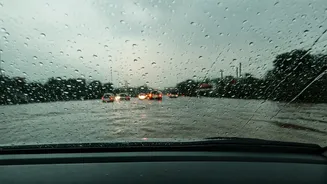
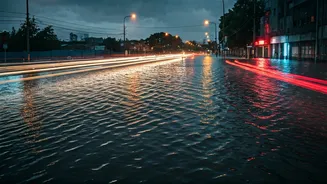
and Telegram to create massive, real-time threads about waterlogged areas. [4, 5, 12] Armed with smartphones, they share photos, videos, and specific pin-pointed locations of flooded streets, fallen trees, and traffic bottlenecks. These threads, often organized under popular hashtags like #MumbaiRains or #DelhiTraffic, function as live, crowdsourced intelligence networks, helping thousands of others navigate the urban maze safely. [4, 10]
How It Works: An Ecosystem of Alerts
The system is elegantly simple and incredibly effective. A commuter stuck near a flooded underpass in Andheri posts a quick video to an office WhatsApp group. [8] Another person shares a screenshot of a gridlocked road on X, tagging the city’s traffic police handle. These individual posts are quickly amplified, shared across neighbourhood groups, and aggregated by popular city-specific accounts. In minutes, a dynamic map of the city’s trouble spots is formed, not by a central authority, but by the collective experience of its residents. It’s a decentralized command centre where every user is a potential node, providing and consuming critical information to bypass choke points and find safer, drier routes home. [5, 19]
From Information to Solidarity
These online communities offer more than just traffic advice; they have become hubs of digital solidarity. It's not uncommon to see offers for carpooling, information about which train lines are still operational, or simply warnings for fellow travellers to avoid certain areas entirely. [4, 5] During severe events, this has extended to coordinating help for those stranded. This collective action transforms a frustrating commute into a shared challenge, showcasing a powerful sense of community and camaraderie. The alerts are a testament to citizens stepping up not just to complain, but to actively help one another navigate the civic challenges posed by extreme weather. [4, 28]
A Mirror to Urban Infrastructure
While this citizen-led innovation is commendable, its very existence highlights a deeper issue. The rise of these grassroots traffic networks is a direct response to the perennial problem of inadequate urban drainage and the failure of official systems to provide timely, granular information during weather emergencies. [27, 22] Every year, cities like Mumbai and Delhi face predictable disruptions from monsoon rains, with key arterial roads and subways becoming inundated. [7, 11, 15] This crowdsourced effort, while effective, is a workaround for infrastructure and communication gaps that continue to plague India’s metropolises. It solves the immediate problem for the individual but underscores the long-term challenge facing urban planners and municipal corporations. [27]