




Beyond Decoration to Daily Use
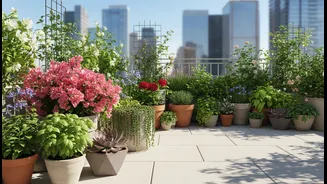
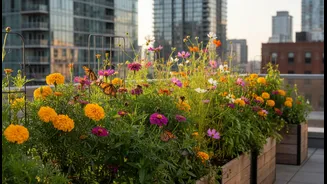
For years, terrace plants in Indian homes were primarily ornamental—a splash of bougainvillea, a hardy palm, or some colourful annuals. But a significant change is underway. Urban residents are increasingly viewing their green spaces through a lens of utility.
This evolution from decorative to functional gardening is driven by a desire for a healthier, more sustainable lifestyle. The COVID-19 lockdowns acted as a major catalyst, forcing people indoors and sparking a renewed interest in cultivating something real and tangible. What began as a way to pass the time has blossomed into a lasting habit, with more people seeking to grow their own food, improve their mental well-being, and create a personal green sanctuary above the city's chaos.
The Edible Revolution at Home
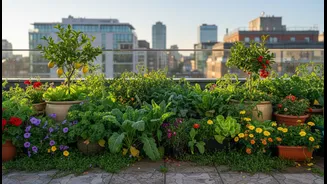
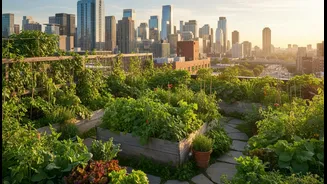
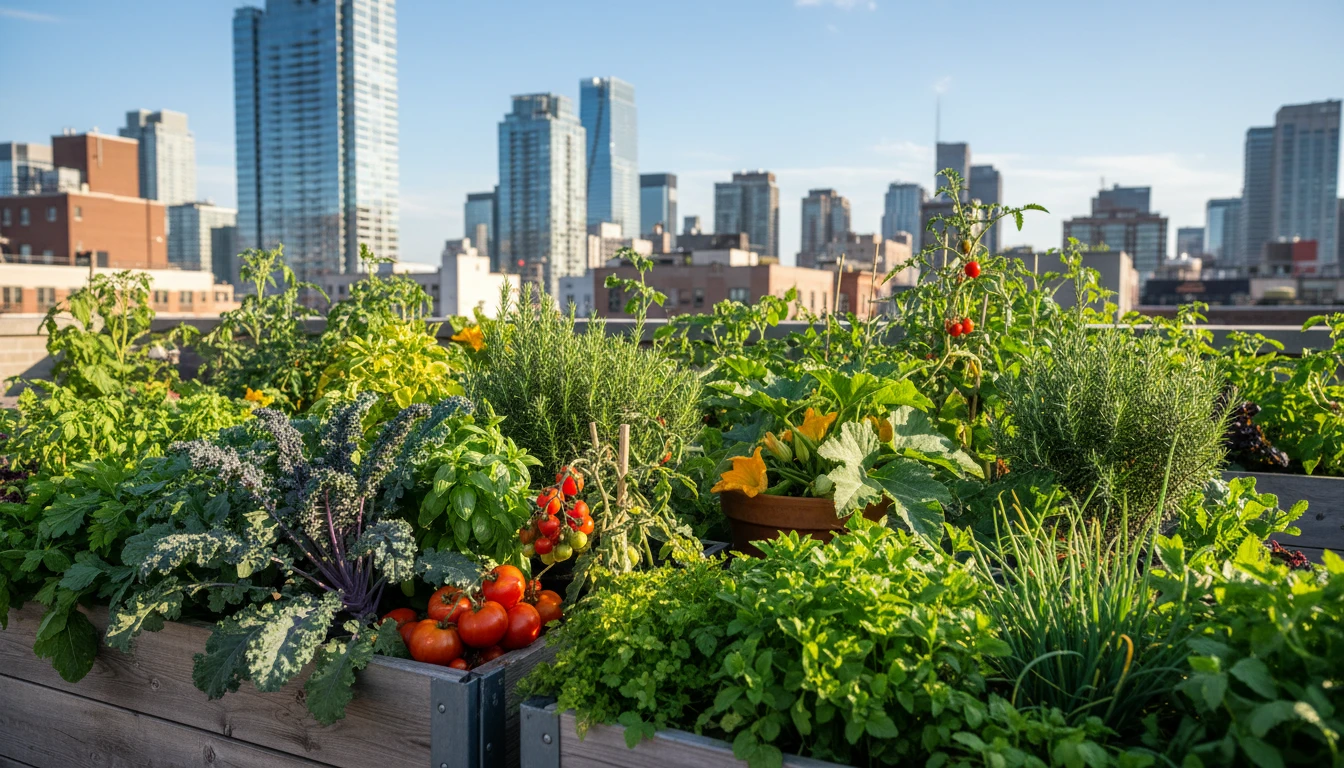
The most significant aspect of this 'useful era' is the rise of the edible garden. Growing your own food is no longer a niche hobby; it's a mainstream movement in cities like Mumbai, Bengaluru, and Delhi. The appeal is obvious: access to fresh, pesticide-free produce right at your doorstep. Beginner-friendly vegetables like tomatoes, chillies, spinach, and okra are thriving in grow bags and containers on terraces across the country. Herbs, which are central to Indian cooking, have become a starting point for many. A few pots of coriander (dhaniya), mint (pudina), holy basil (tulsi), and curry leaves can provide daily value, transforming meals and reducing reliance on market produce. This trend offers not just better nutrition, but also significant cost savings on monthly vegetable bills.
A Green Dose of Wellness
The usefulness of terrace plants extends deep into mental and emotional health. In an age of digital overload and urban stress, gardening offers a powerful antidote. Scientific studies have shown that engaging with plants can lower levels of cortisol, the body's primary stress hormone. The simple, mindful acts of watering, pruning, and observing growth provide a sense of calm and purpose, helping to reduce anxiety and improve mood. This practice of 'horticultural therapy' is gaining recognition for its ability to foster a connection with nature, which is often lost in dense urban environments. Tending to a garden provides a gentle physical workout and a tangible sense of accomplishment, boosting overall well-being.
Your Personal Climate Hero
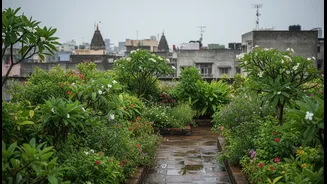
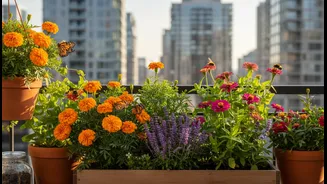
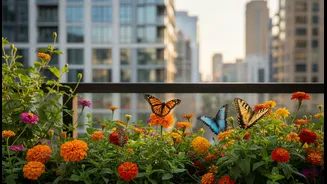
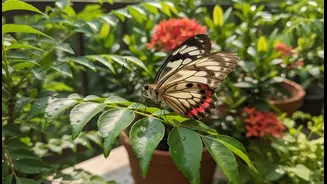
On a collective level, the move towards useful terrace gardens has a positive environmental impact. Rooftop gardens can help mitigate the urban heat island effect, where concrete and asphalt make cities significantly hotter than surrounding rural areas. A green terrace can lower the temperature of the floor below, potentially reducing air-conditioning costs in the summer. These small-scale ecosystems also improve local air quality by absorbing pollutants and releasing oxygen. Furthermore, by attracting pollinators like bees and butterflies, even a small balcony garden supports urban biodiversity. By composting kitchen waste to create fertilizer, gardeners also participate in a closed-loop system that reduces household refuse.
Getting Started Is Simpler Than You Think
The idea of starting a terrace garden can seem daunting, but it's more accessible than ever. The key is to start small and choose the right plants for your space. Assess your terrace's sunlight exposure, as most vegetables need at least four to six hours of direct sun. Instead of heavy pots and garden soil, opt for lightweight grow bags and a potting mix of cocopeat and compost, which is ideal for rooftops. Easy-to-grow plants for beginners in India include chillies, methi (fenugreek), spinach, and mint. These require minimal care and offer quick rewards, building confidence for more ambitious projects. Start with a single pot of tulsi or a container of mint, and you'll quickly discover the joy and utility of your own green space.