


Understanding the Double Coat
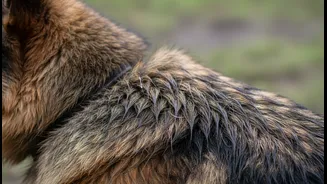
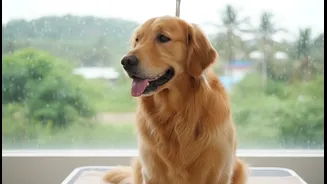
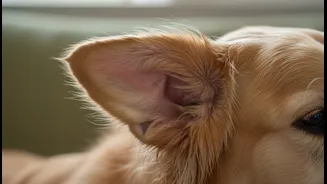
Many popular breeds in India, including German Shepherds, Siberian Huskies, Golden Retrievers, and Labradors, possess a 'double coat'. This consists of two layers: a long, coarse outer layer of 'guard hairs' and a soft, dense undercoat. The guard hairs repel
dirt and water, while the undercoat acts as insulation, trapping air to keep the dog warm in the cold and, surprisingly, cooler in the heat. This natural engineering is brilliant, but it has a significant vulnerability, especially after a bath, a swim, or a walk in the monsoon.
The Dangers of a Damp Undercoat
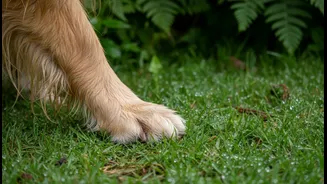
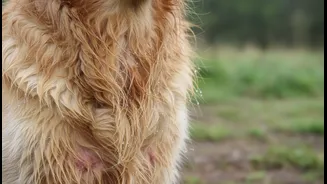
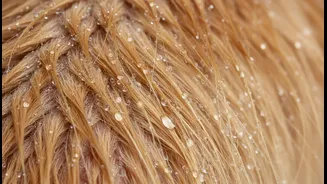
When a double-coated dog gets wet, the dense undercoat can act like a sponge, trapping water against the skin for hours. This creates a warm, humid microclimate—the perfect environment for bacteria and yeast, which are naturally present on a dog's skin, to multiply out of control. This prolonged dampness disrupts the skin's natural protective barrier, making it soft, fragile, and vulnerable to infection. Breeds with these thick coats are especially prone to this issue, particularly in the hot, humid weather common across much of India.
From Moisture to Microbial Breakdown
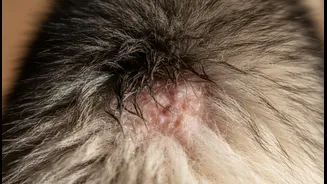
This overgrowth of microbes leads to painful skin conditions. The most common is acute moist dermatitis, better known as a 'hot spot'. These are red, inflamed, oozing, and intensely painful lesions that can appear and spread with frightening speed. Another common issue is bacterial folliculitis, an infection of the hair follicles themselves, which appears as small, pimple-like bumps, pustules, and crusts. The dog's natural instinct to lick, chew, or scratch the irritated area only makes it worse, damaging the skin further and deepening the infection in a painful cycle.
Signs of a Problem
As a pet parent, vigilance is key. Be on the lookout for any signs of skin trouble, especially after your dog has been wet. Key symptoms include intense itching or focus on one spot, redness, swelling, hair loss, and a foul or musty odour coming from the skin. You might see moist, oozing sores or crusty, scabby patches. The skin might also feel painful to the touch. Any of these signs warrant immediate attention.
The Art of Proper Drying
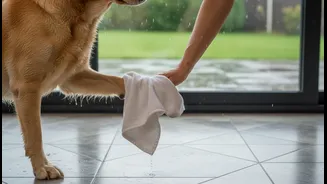
Prevention is far better than cure, and it all comes down to drying. Never let a double-coated dog air-dry. First, use a highly absorbent towel to gently squeeze and pat as much water out of the coat as possible; avoid vigorous rubbing, which can cause tangles. The next step is crucial: use a blow dryer. A high-velocity dryer designed for dogs is ideal, but a human hair dryer on a cool or warm—never hot—setting will work. Keep the dryer moving and at a distance from the skin to prevent burns. As you dry, brush the coat against the direction of hair growth to lift the fur and allow air to reach the skin and dense undercoat. The goal is to get the dog completely dry, right down to the skin. This can take 30 to 60 minutes or more, but it is time well spent.
Grooming and When to See a Vet
Regular grooming is essential. Daily brushing, especially with an undercoat rake, removes dead fur, prevents matting that can trap moisture, and allows air to circulate. While bathing should be infrequent (every 2-3 months is often enough), it must be done correctly, with thorough rinsing and drying. If you spot what looks like a hot spot or other skin infection, don't try to treat it at home. These conditions are painful and can worsen quickly. Your veterinarian can safely clean the area, prescribe the right medications like antibiotics or anti-inflammatories, and help identify any underlying causes like allergies that might be contributing to the problem.