



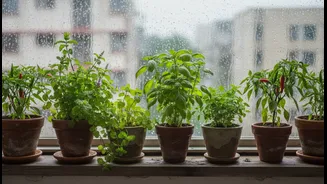


Basil (Tulsi): The Sacred Staple
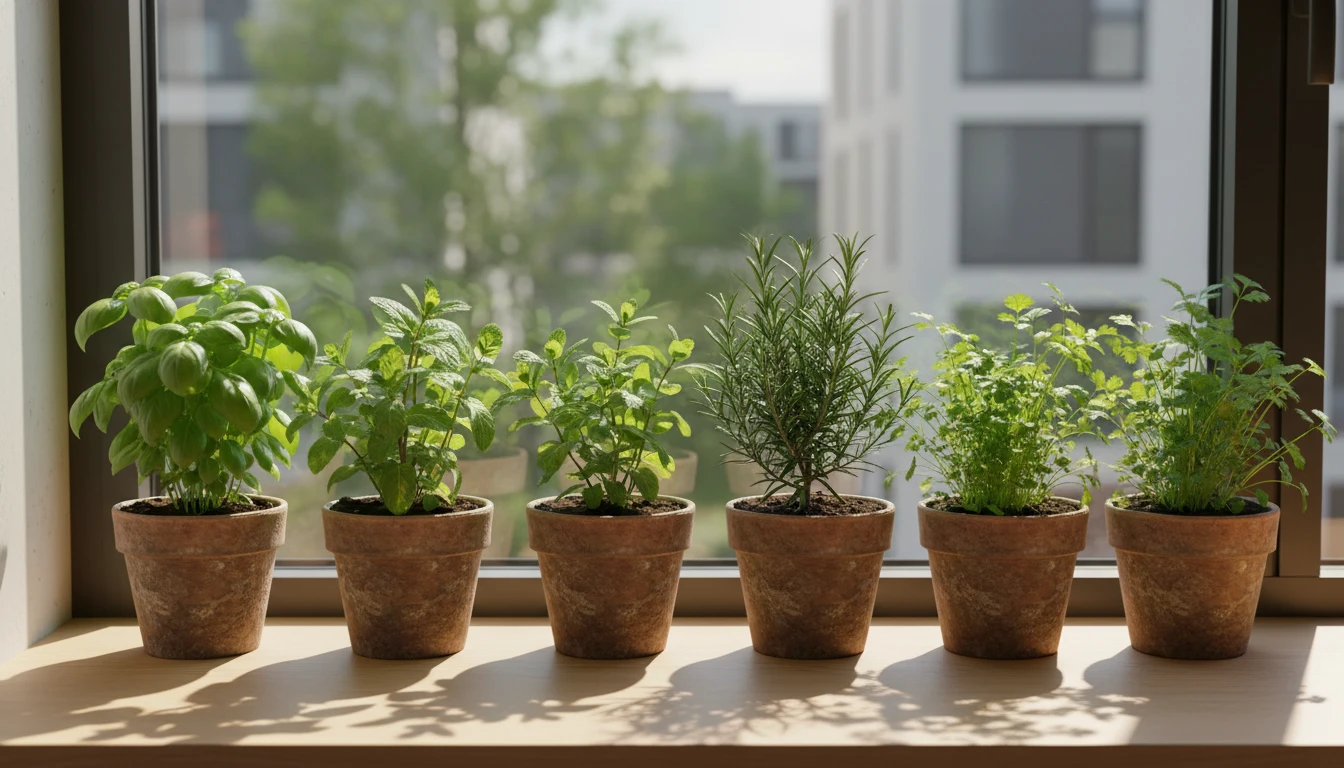
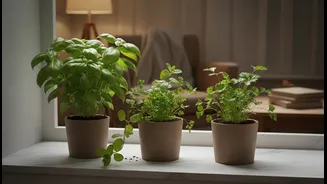
No Indian kitchen feels complete without the peppery and sweet aroma of basil, whether it's Holy Basil (Tulsi) for its medicinal properties or Italian basil for culinary flair. This sun-loving herb thrives in warm, bright conditions, making a south-facing
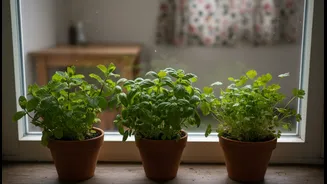
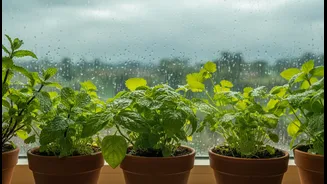
windowsill its ideal home. Basil needs at least six hours of direct sunlight daily to flourish. It prefers consistently moist but well-drained soil; overwatering is a common mistake that can lead to root rot. A good rule of thumb is to water when the top inch of soil feels dry to the touch. To encourage a bushy, full plant, pinch off the top sets of leaves regularly. This prevents it from growing tall and 'leggy' and promotes more leaf production for your chutneys, teas, and pastas.
Mint (Pudina): The Prolific Refresher
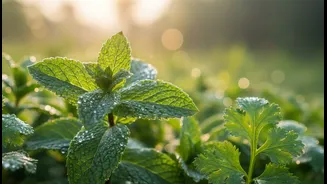
Famous for its resilience and rapid growth, mint is a perfect beginner's herb. Its refreshing scent and versatile flavour are essential for everything from summer drinks to savoury dishes. Mint is a vigorous grower, so keeping it in a dedicated pot is a good idea to control its spread. It enjoys plenty of sunlight but can also tolerate partial shade. The key to happy mint is consistent moisture; the soil should be kept damp but not waterlogged. Using a pot with good drainage is crucial. Harvest mint frequently by snipping stems just above a leaf node. This encourages the plant to branch out and become bushier, ensuring you have a constant supply for your culinary needs. There are many varieties to try, from spearmint to apple mint, each offering a unique twist.
Coriander (Dhania): The Essential Garnish
Coriander, or Dhania, is arguably the most indispensable herb in Indian cooking, used for garnishing and flavouring countless dishes. Growing it indoors can be slightly tricky, as the plant has a tendency to 'bolt' (flower prematurely) in hot weather, which reduces leaf production. To succeed, provide it with cooler conditions and partial sun, especially protection from the harsh afternoon heat. Coriander dislikes having its roots disturbed, so it's best to sow seeds directly into the pot where it will grow. Splitting the seeds gently before sowing can improve germination rates. Keep the soil consistently moist but not soggy. For a continuous supply, sow a new batch of seeds every few weeks. This ensures you always have fresh, tender leaves on hand.
Rosemary: The Fragrant Evergreen
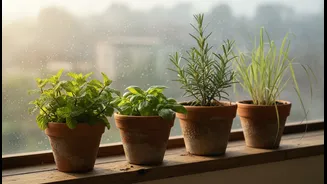
With its pine-like fragrance and woody stems, rosemary is a Mediterranean herb that adapts surprisingly well to Indian windowsill conditions. It is a perfect companion for roasted vegetables, meats, and breads. Rosemary's number one requirement is sunlight—at least six to eight hours of direct sun daily is essential for it to develop its characteristic aroma and flavour. Its biggest enemy is overwatering. This herb is drought-tolerant and prefers its soil to dry out between waterings. Always check that the top two inches of soil are dry before giving it a drink. Good drainage is non-negotiable, so use a terracotta pot with plenty of holes and a sandy, well-draining soil mix.
Your Keys to a Thriving Herb Garden
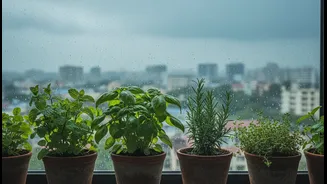
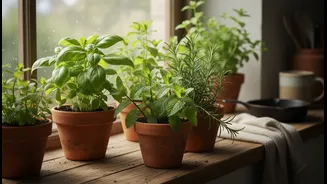
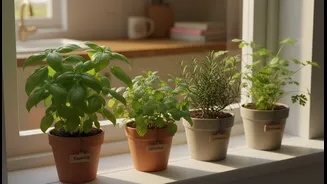
Beyond the needs of individual plants, a few universal rules will set you up for success. First, choose the right containers; pots should be at least 6-8 inches deep with drainage holes to prevent waterlogging. Using a quality potting mix rather than heavy garden soil ensures good drainage and aeration for the roots. Sunlight is the most critical factor; most herbs need at least 6 hours of bright light, so a south or west-facing window is usually best. Rotate your pots weekly to ensure all sides of the plant get light and grow evenly. Finally, don't be shy about harvesting. Regular trimming encourages bushier growth and gives you the best part of the experience: using your own fresh, homegrown herbs.