





Understanding the Latest IMD Alerts
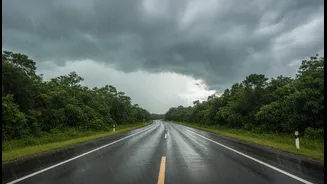
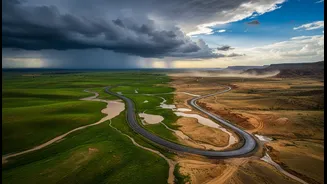
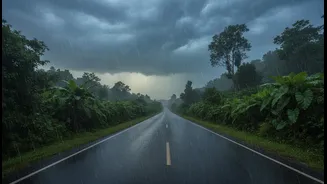
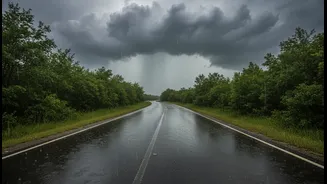
The IMD is forecasting an active monsoon spell, with widespread and heavy rainfall expected in numerous regions. As of early July 2026, alerts are in place for states across the country, including the west coast, central India, and the northern plains.
Konkan & Goa, Madhya Maharashtra, Gujarat, Uttarakhand, Himachal Pradesh, and parts of Uttar Pradesh are expected to see significant showers. The IMD has issued specific warnings, including orange and red alerts in some areas, which signal the potential for disruptions like localized flooding, waterlogging, and travel delays. These alerts are not just about rain; they are a crucial indicator of potential risks, from flash floods in vulnerable areas to major transport disruptions.
Why Rigidity Is Risky This Season
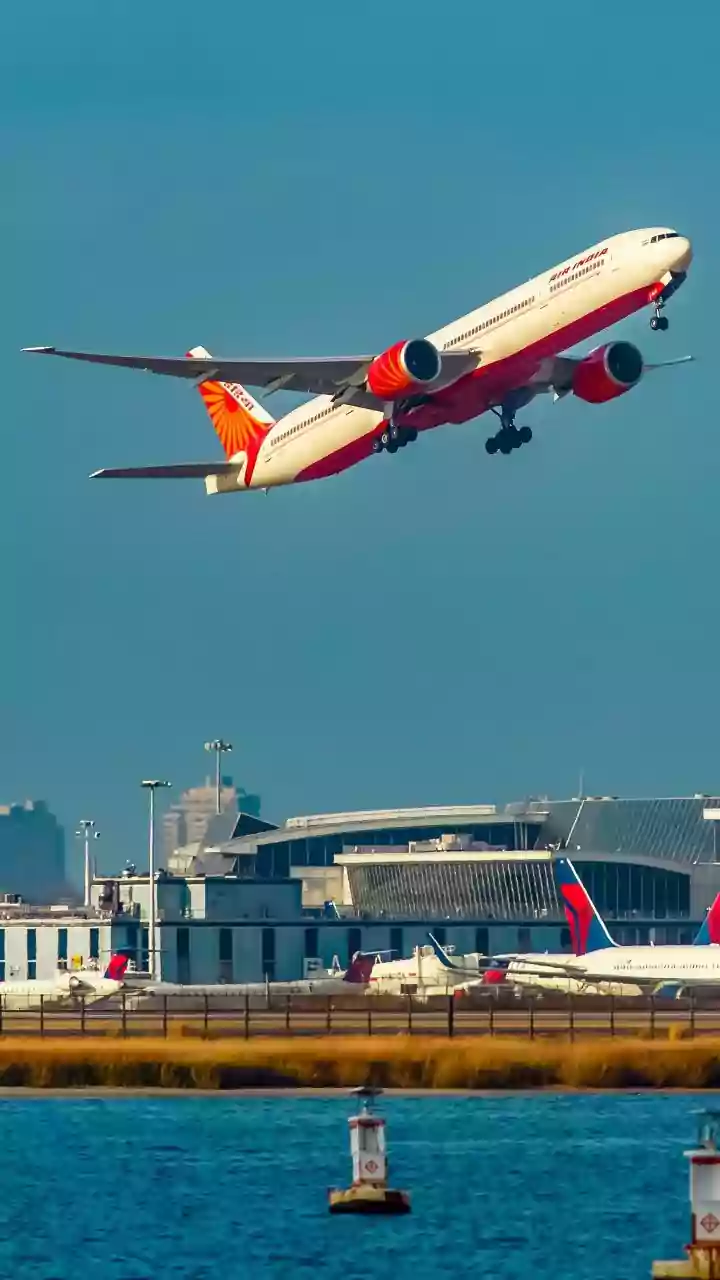
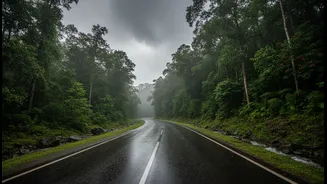
Planning a trip with a fixed schedule during peak monsoon is a gamble. Heavy rainfall can trigger landslides in hilly regions like Uttarakhand and Himachal Pradesh, block highways, and lead to widespread train and flight delays. The Konkan Railway, a vital route along the west coast, already operates on a reduced-speed monsoon timetable from June to October to ensure safety, which can add hours to journeys. Airlines also face challenges, with waterlogged runways and poor visibility causing diversions and cancellations, particularly at major hubs like Mumbai. Trying to stick to a tight itinerary in these conditions can lead to missed connections, lost bookings, and unnecessary stress. The “non-negotiable” need for flexibility is about acknowledging these realities and building a buffer against them.
Booking Strategies for Peace of Mind
The key to a successful monsoon trip is building flexibility into your bookings from the start. When reserving hotels, look for options with free cancellation or policies that allow changes close to your check-in date. Many booking platforms now highlight these properties. For flights, consider booking a 'flexi' fare. While it might cost slightly more upfront, the ability to change your travel dates without a hefty penalty can be a lifesaver if a storm system is forecast for your destination. Similarly, for road trips, using one-way cab services can be more practical than round-trip bookings, as you only pay for the journey you take, allowing you to alter return plans on the fly.
Smart Packing and Essential Gear
Your packing list needs to be monsoon-ready. Prioritize lightweight, synthetic fabrics that dry quickly over cotton and denim. A reliable waterproof jacket and an umbrella are obvious, but don't stop there. Invest in waterproof footwear with a good grip to navigate slippery surfaces safely. To protect your valuables, use waterproof bags or zip-lock pouches for electronics, documents, and wallets. A power bank is essential for keeping your phone charged during potential power cuts or long travel delays. Also, carry a basic first-aid kit, insect repellent, and any necessary medications to stay healthy.
Staying Safe and Informed on the Go
Once your trip begins, staying updated is crucial. Download reliable weather apps and check the IMD website daily for the latest forecasts and warnings for your specific location. Before setting out on a road trip, inquire locally about road conditions, especially in hilly or remote areas. Avoid driving through waterlogged streets, as they can conceal open drains or deep potholes. Always have a backup plan or a potential alternate route in mind. Inform family or friends of your daily itinerary, and always prioritize safety over sightseeing. If conditions look dangerous, it is always better to stay put and wait for the weather to clear.