
The End of the Perfection Paradigm
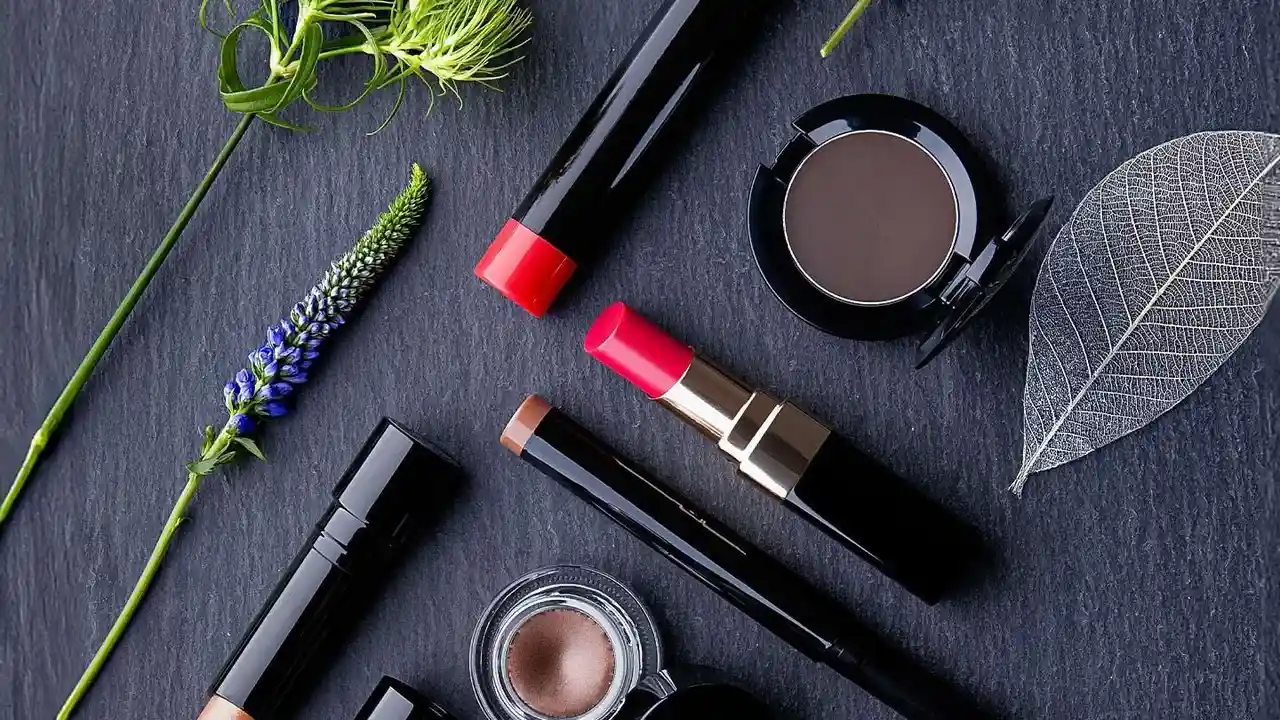
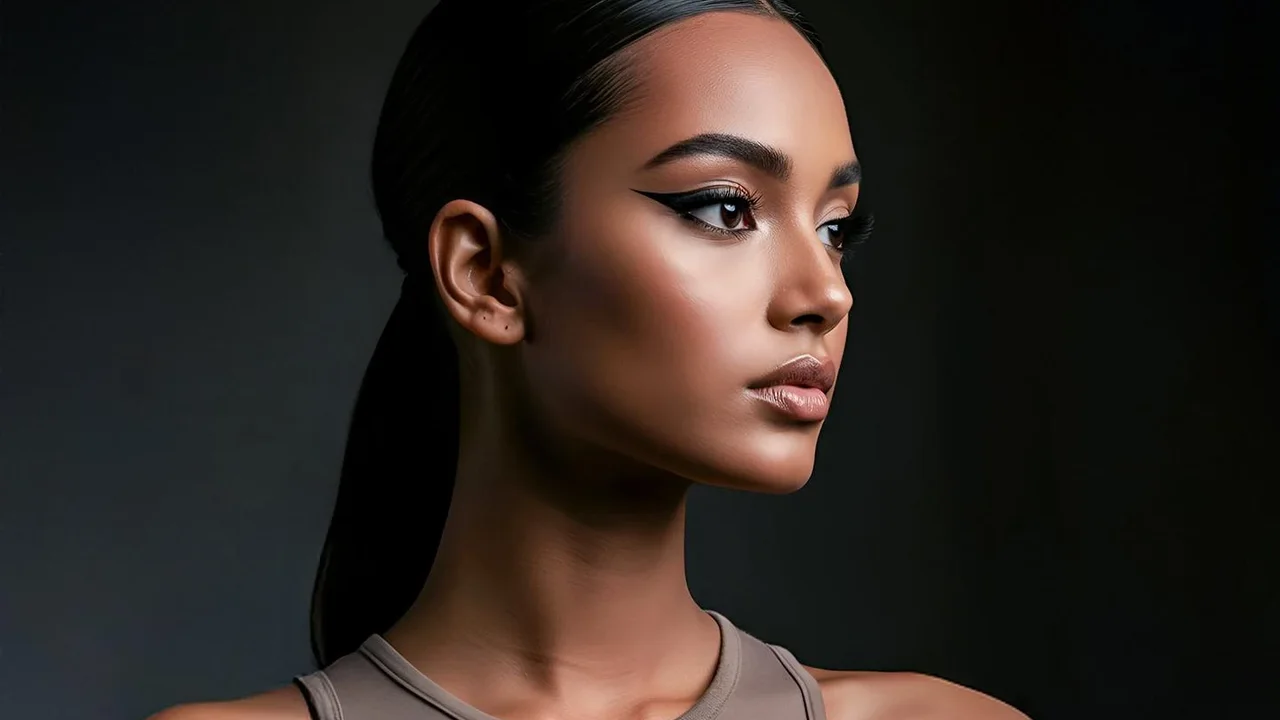
Remember the era of heavy contouring, ultra-matte liquid lipsticks, and multi-step routines that required an encyclopedic knowledge of products? That “Instagram Face,” defined by its sculpted, flawless, and often rigid perfection, dominated the 2010s.
While impressive in its artistry, it set a high bar for daily life. Today, the pendulum is swinging in the opposite direction. There's a growing desire for authenticity and a rejection of unattainable standards. This has paved the way for 'skinimalism,' a philosophy centered on using fewer, more effective products to enhance, not hide, natural skin. Consumers are increasingly celebrating their real skin texture, freckles and all, leading a movement away from the mask-like coverage of the past.
Defining Comfort in Cosmetics
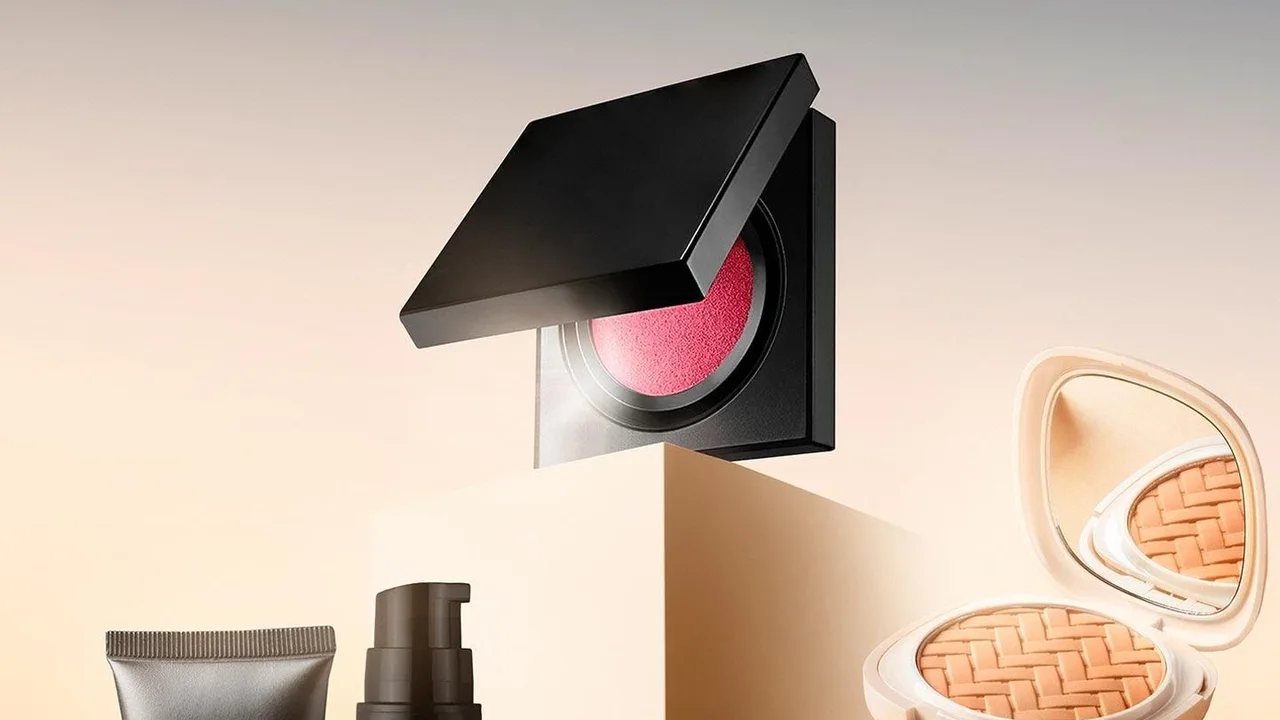
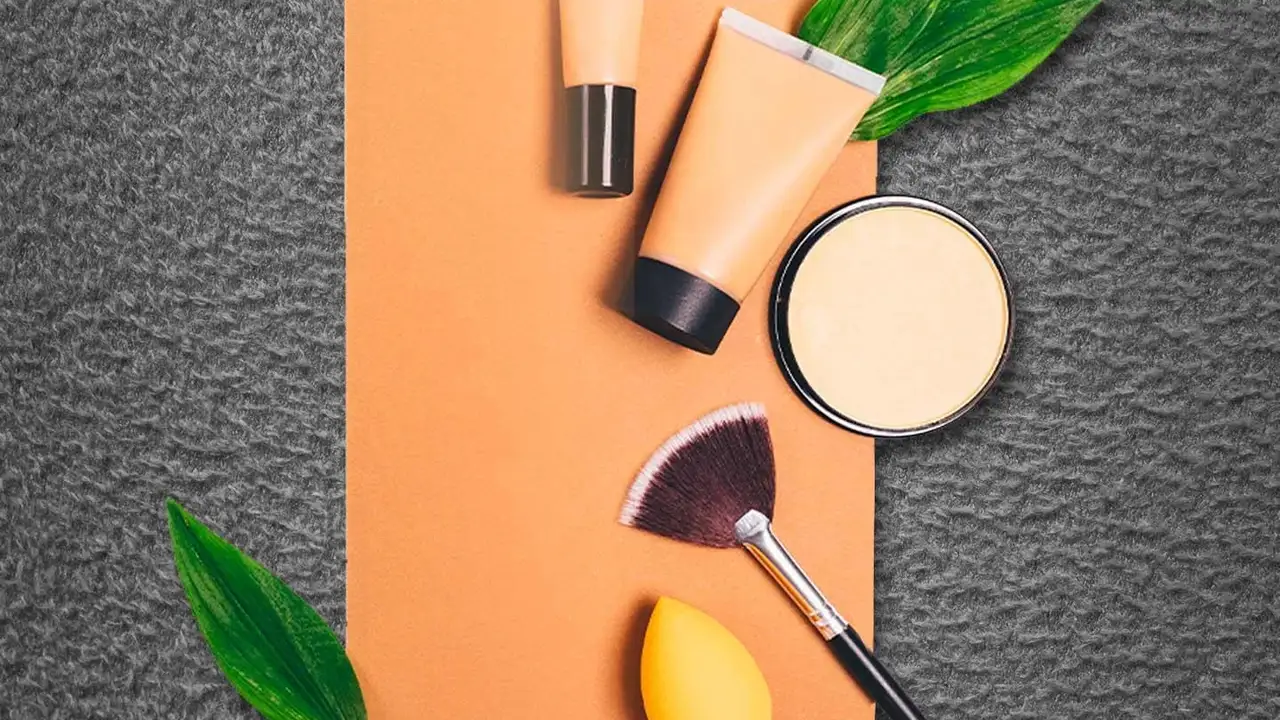
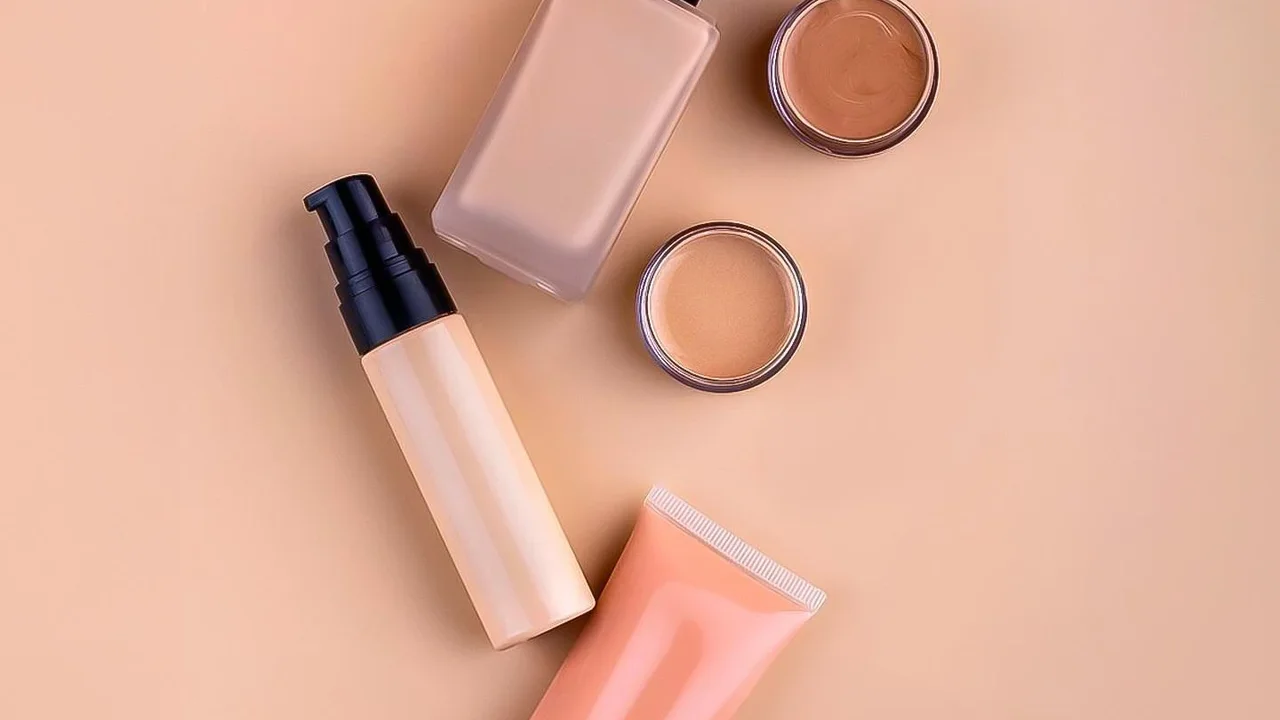
So, what does 'comfort' actually mean when it comes to makeup? It’s a multi-faceted concept. Firstly, it's about the physical feel of products on the skin. Consumers are seeking lightweight, breathable formulas that feel more like a second skin than a heavy layer. Think serum-like foundations, bouncy cream blushes, and hydrating lip oils that move with you. Secondly, comfort is about ease of use. The demand is for multifunctional products that streamline morning routines. A tinted moisturizer with SPF, for example, combines hydration, sun protection, and sheer coverage in one simple step. This approach aligns with a broader cultural shift toward simplicity and intentional consumption, where a manageable routine is valued over a cluttered shelf.
The Pursuit of a Healthy Glow
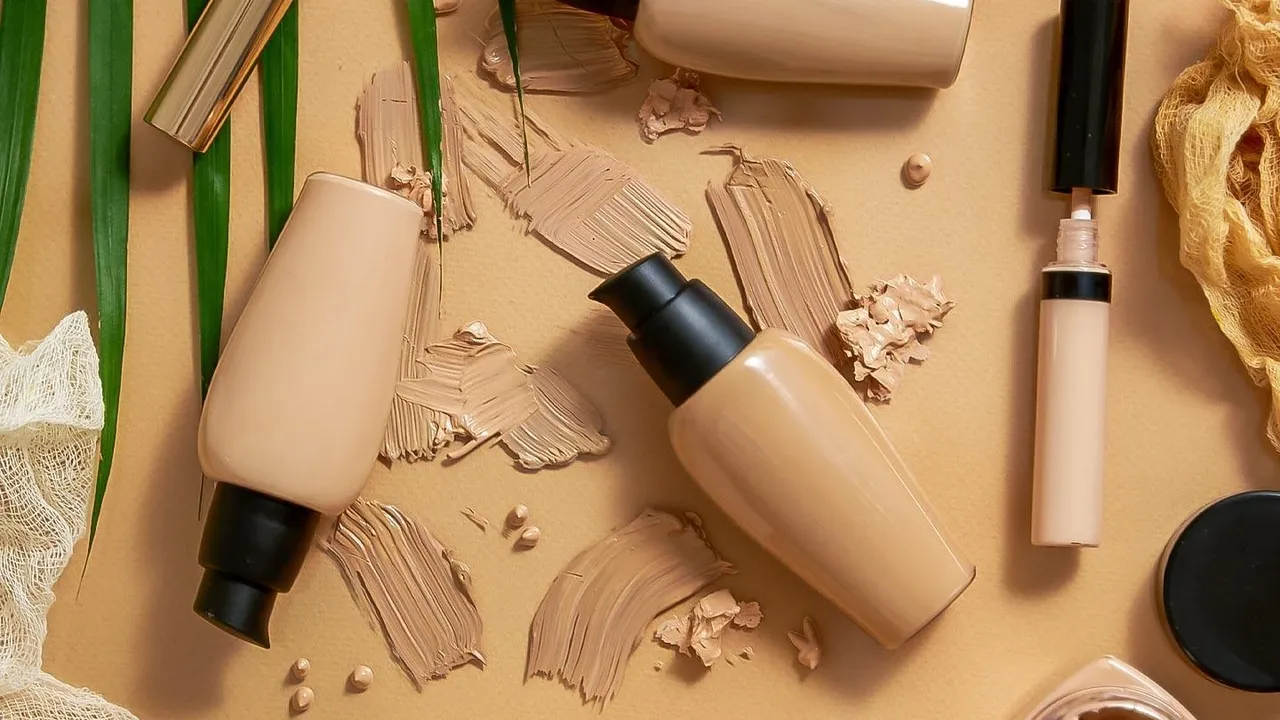
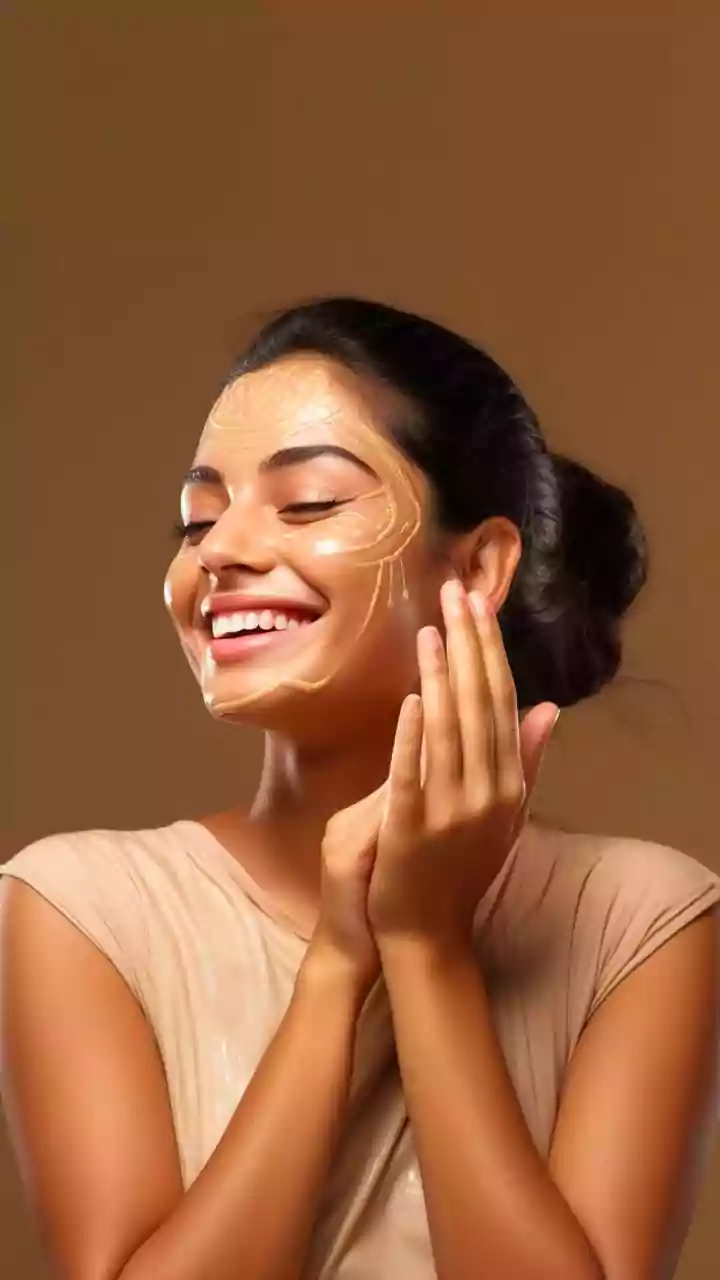
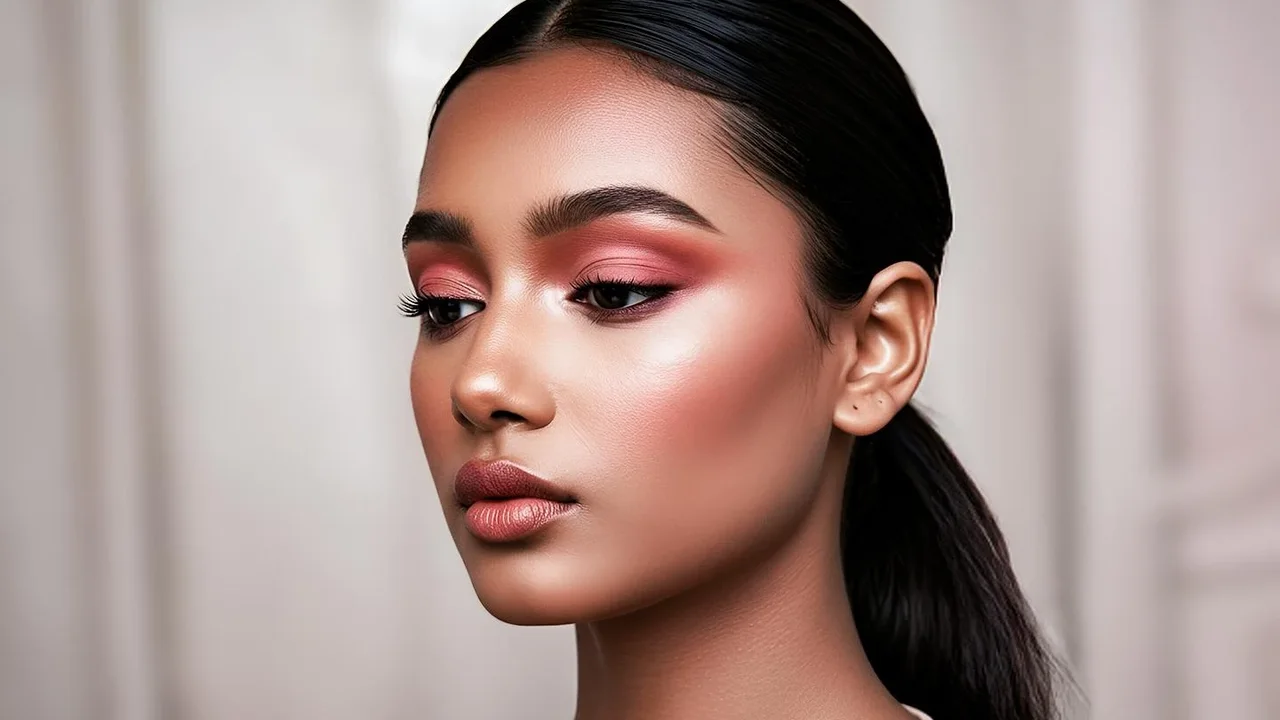
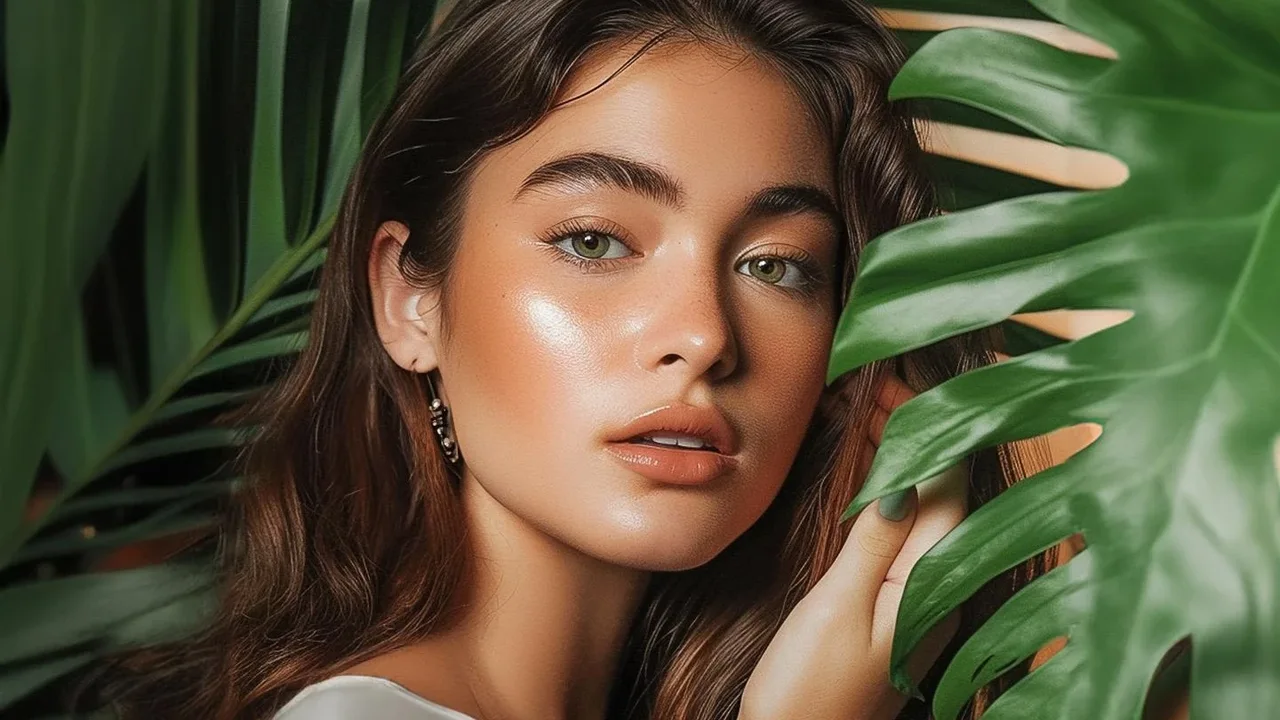
The 'glow' is the other half of this beauty equation, but it’s not about glitter or obvious shimmer. The new glow is about achieving a radiant, healthy, and hydrated look that appears to come from within. This aesthetic, seen in trends like “glass skin” and “glazed donut skin,” prioritizes skin health above all else. It has fueled the rise of hybrid cosmetics—makeup products infused with potent skincare ingredients. We now see foundations with niacinamide to refine pores, lipsticks with hyaluronic acid for hydration, and mascaras with peptides to support lash health. This “skinification” of makeup means products are expected to not only beautify but also to actively care for and improve the skin over time.
Wellness as the New Beauty Standard
This entire movement is deeply connected to the broader wellness boom. Consumers increasingly view their beauty routine as an extension of their overall health and self-care practices. The goal is no longer just to look good, but to feel good. The pandemic accelerated this shift, as extended time at home led many to re-evaluate their relationship with makeup, prioritizing skin health and comfort over performative beauty. This mindset extends to a desire for transparency, with shoppers demanding to know what is in their products and favoring clean, non-toxic, and sustainable options. Feeling confident and comfortable in one's own skin has become the ultimate beauty goal.
How Brands Are Adapting
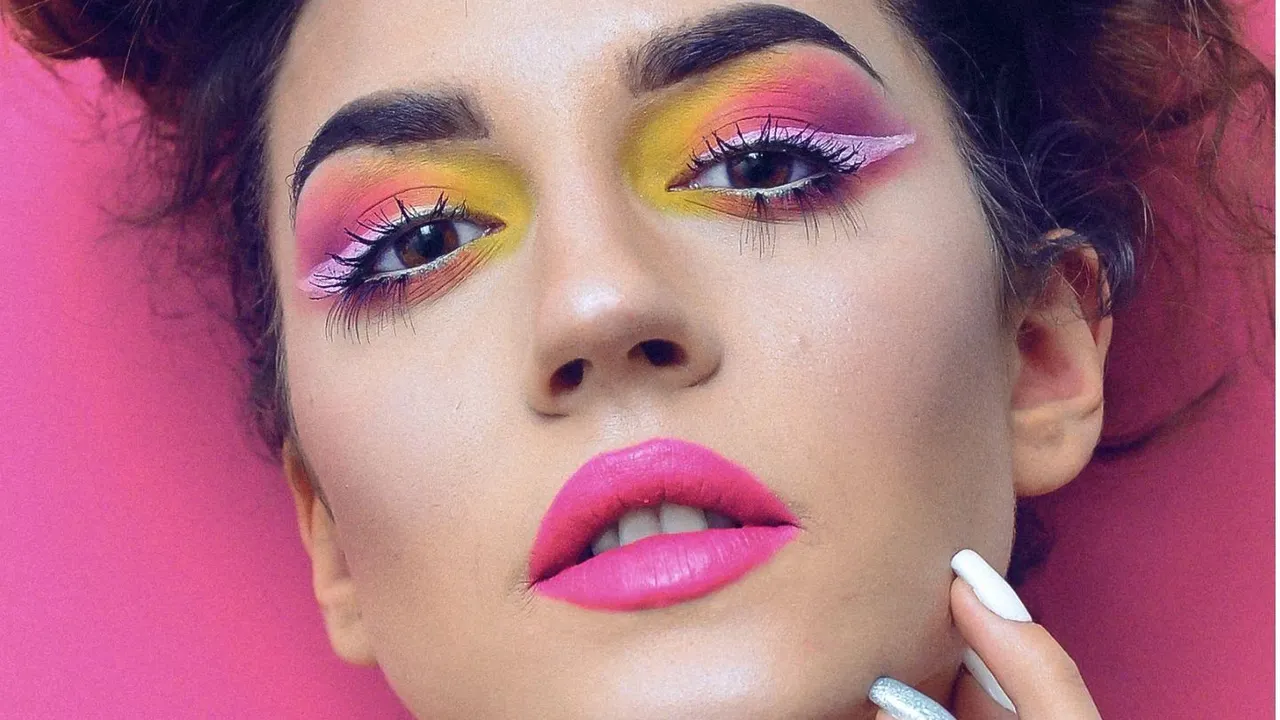
The beauty industry has been quick to respond. Shelves are now filled with skin tints, serum foundations, cream-based formulas, and nourishing lip products that deliver on the promise of comfort and glow. The rise of K-Beauty, with its strong emphasis on hydration and a luminous finish, has also been a massive influence, mainstreaming ingredients and textures that support a skin-first philosophy. While some reports suggest a renewed interest in more expressive and colorful makeup looks is emerging, the fundamental shift toward products that offer skincare benefits and comfortable wear appears to be a lasting change rather than a fleeting trend. Brands are realizing that modern consumers want their makeup to work harder, delivering both aesthetic enhancement and tangible skin-loving benefits.