






Let AI Be Your Co-Pilot
Forget spending hours manually comparing prices across dozens of websites. Artificial intelligence is now your ultimate travel-hacking companion. Modern AI tools and apps can analyze vast amounts of historical flight and hotel data to predict price fluctuations.
These platforms don't just show you the current price; they advise you on whether to book now or wait for a potential drop. By processing patterns that are invisible to the human eye, AI assistants can identify the optimal booking window for your specific route and dates, saving you time and money. They can also help brainstorm non-obvious routes or alternative airports that are significantly cheaper than standard options.
Explore 'Hidden City' Ticketing
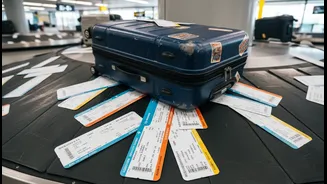
One of the more advanced strategies gaining traction is 'hidden city' ticketing, also known as skiplagging. This involves booking a flight with a layover in your actual desired city, but where the final destination is somewhere further away. Because of complex airline pricing models, this multi-leg journey can sometimes be cheaper than a direct flight to the layover city. For example, a flight from Mumbai to Ottawa with a stop in Toronto might be less expensive than a direct flight from Mumbai to Toronto. You would simply book the cheaper flight and exit the airport at the layover city. However, this strategy comes with risks. It generally only works with carry-on luggage, as any checked bags will be sent to the final ticketed destination. Airlines also discourage the practice, and there's a small risk of penalties if you are found to do it frequently.
Consider a Travel Subscription
The subscription model, popularised by streaming services, has firmly arrived in the travel sector. A growing number of companies now offer travel club memberships or subscription services for an annual or monthly fee. In exchange, members get access to exclusive, members-only pricing on flights, hotels, and package deals that aren't available to the general public. For frequent travellers, the savings can quickly outweigh the cost of the subscription. These services essentially offer access to wholesale or heavily negotiated rates, bypassing the markups common on public booking sites. The market for these services is expanding, offering different tiers and models to suit various travel frequencies and budgets.
Embrace Ultimate Flexibility
While flexibility has always been a key to saving money, modern tools take this concept to a new level. The old advice was to fly on a Tuesday instead of a Friday. The new strategy is to use search engines that allow you to be flexible on both dates and destinations. Tools like Google Flights and Skyscanner have 'explore' features where you can input your home airport and select 'anywhere' as your destination. The platform will then show you a map of the cheapest places you can fly to during a specific month or season. This data-driven approach allows you to discover affordable destinations you may not have considered, letting the deals guide your travel plans rather than the other way around.
Leverage Dynamic Bundling
Booking flights, hotels, and car rentals separately is no longer the default best option. Smart booking platforms are increasingly using dynamic pricing to offer significant discounts when you bundle these components together. Unlike static, pre-packaged holidays of the past, these platforms create custom bundles in real-time based on current inventory and demand. By combining services, providers can offer a lower total price than the sum of the individual parts. This is because they can spread their margins across different products. For the traveller, it means convenience and cost savings, especially for popular destinations where booking components individually at peak times can be prohibitively expensive. It automates the process of finding complementary deals that work together for a single, cheaper trip.