



Why Soaking Is a Non-Negotiable Step
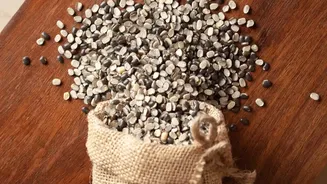
Soaking lentils before cooking is a practice rooted in ancient wisdom and modern science. The primary benefit is improved digestibility. Urad dal, like other legumes, contains anti-nutrients like phytic acid and tannins, which can interfere with the absorption
of essential minerals like iron, zinc, and calcium. Soaking helps neutralize these compounds. It also breaks down complex sugars called oligosaccharides, which are notorious for causing bloating and gas. This makes the dal much gentler on your digestive system. Furthermore, soaking significantly reduces cooking time, which not only saves fuel but also helps preserve the dal's nutrients.
The Art of Soaking: A Practical Guide
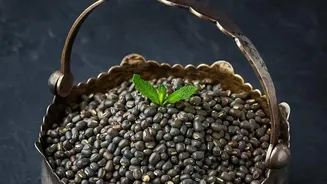
Getting the soak right is simple but crucial. First, always rinse the dal thoroughly 3-4 times in fresh water to remove any dust or impurities. For whole urad dal (the black, skin-on variety), a longer soak of 8 to 12 hours, or simply overnight, is ideal. For split urad dal (the white, skinless version), a shorter soak of 4 to 6 hours is usually sufficient. However, the ambient temperature matters. In warmer summer months, you might only need 3-4 hours, whereas in winter, it could take up to 6 hours for the dal to soften properly. A good test is to press a grain between your thumb and forefinger; it should split easily without a hard centre. Always use plenty of fresh water for soaking and discard it before cooking, as it contains the leached-out anti-nutrients you want to get rid of.
Cooking for Creaminess: Dal Makhani and Rich Curries
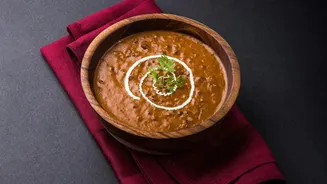
For dishes where a luxurious, creamy texture is the goal, such as the iconic Dal Makhani or a simple Punjabi-style Maa Ki Dal, proper soaking is the first step to success. The whole black urad dal is used here. Soaking ensures the lentils break down evenly during the slow cooking process, melting into a silken gravy. After soaking, pressure cooking the dal for 8-10 whistles on a medium flame, or for about 35 minutes in an Instant Pot, will get it perfectly soft. Many recipes then call for mashing the dal slightly and simmering it for an additional 20-25 minutes to develop that signature creamy consistency and deep, earthy flavour. This slow simmer is what eliminates any sliminess and allows the spices to meld beautifully.
Cooking for Structure: Vadas, Idlis, and Dosas
When making batters for dishes like Medu Vada, Dahi Vada, Idli, or Dosa, the goal is entirely different. Here, you need structure and aeration, not creaminess. Urad dal's unique mucilaginous properties are what make it indispensable for creating the light, spongy texture of idlis and the crispiness of vadas. For these preparations, the soaked dal is not boiled but ground into a fine paste. A soak of 3-4 hours is typical for vada batter. Over-soaking, especially in warm weather, can lead to premature fermentation, giving the vadas a sour taste and a dense, oily texture. Grinding the soaked dal with a minimal amount of cold water helps create a thick, fluffy batter that traps air, which is the secret to light, crispy-on-the-outside, soft-on-the_inside vadas.
Unlocking Everyday Variety
Mastering these two basic approaches—cooking for creaminess and grinding for structure—opens up a world of possibilities beyond the most famous dishes. A simple Urad Dal Tadka, made with pressure cooked split urad dal becomes a quick nutritious and easily digestible meal served with rice or roti. The same cooked dal can be used as a creamy and nourishing base for khichdi. The roasted nutty flavour of urad dal can be harnessed to create a unique South Indian chutney a delicious alternative to the usual coconut based ones. It is also used as a stuffing for savoury pastries like Bedmi Puri and even forms the base for the beloved crunchy snack papad. By understanding how to manipulate its texture urad dal proves its incredible versatility in the Indian kitchen.