








Claim: The Rainy Weather Makes My Body Crave It
This claim is surprisingly accurate, but not for the reasons you might think. It's less about the rain itself and more about what the weather does to our environment and our brains. A drop in temperature can make our bodies desire warm, calorie-dense
foods as a way to generate internal heat. Furthermore, the lack of sunlight on gloomy monsoon days can cause a dip in serotonin, our natural mood-boosting hormone. To counteract this, our brain sends out signals for carbohydrates, which it knows can temporarily increase serotonin production. Pakoras, being rich in carbohydrates and fat, fit the bill perfectly. That crunchy, hot snack is essentially your body's attempt to self-medicate for a better mood.
Claim: It's Just Nostalgia and Comfort
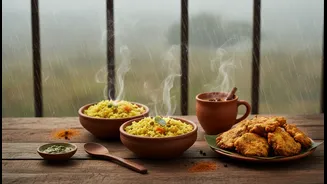
This is also a huge piece of the puzzle. The connection between rain and comfort food is deeply ingrained through what psychologists call 'associative learning'. For many in India, rainy days are linked to strong childhood memories: staying indoors, spending time with family, and enjoying these specific snacks. The sound of rain, the smell of wet earth (petrichor), and the cosy feeling of being sheltered all become triggers. Your brain has connected these sensory inputs with the rewarding feeling of eating chai and pakoras over many years. So, when it rains, your brain doesn't just want food; it wants the emotion, the memory, and the comfort that comes with it.
Claim: Chai and Pakoras Have Unique Properties
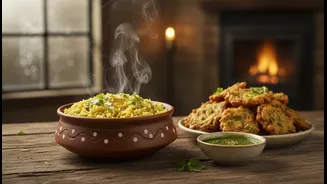
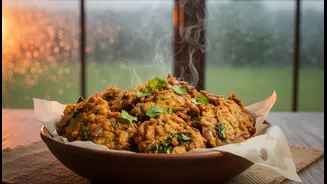
Individually, the components of this classic duo do have effects on our bodies. The pakora, a deep-fried, carbohydrate-rich snack, delivers a quick energy and mood boost by influencing serotonin pathways. The hot, crunchy texture provides a satisfying contrast to the damp, humid weather. Masala chai, on the other hand, is more than just warm liquid. The black tea base contains caffeine for a gentle energy lift and antioxidants. Spices commonly used in chai, like ginger, cardamom, and cloves, have their own traditional benefits, from aiding digestion to possessing anti-inflammatory properties. When you combine the warming spices, the caffeine, the sugar, and the carbs from the pakoras, you get a potent combination that feels both stimulating and comforting.
Claim: This Craving is Totally Harmless
This is where we need to be careful. While enjoying chai and pakoras is a beloved tradition, it's not without its health considerations. The pakoras are typically deep-fried, often in oil that may be reused, which can introduce unhealthy trans fats. This combination can be heavy on the digestive system, leading to bloating, acidity, and a general feeling of sluggishness. Furthermore, tea contains compounds called tannins, which can interfere with the absorption of certain nutrients, like iron, from your food. While occasional indulgence is perfectly fine and a joyful part of the monsoon experience, making it a daily habit could contribute to weight gain and other health issues. Healthier alternatives, like baking or air-frying pakoras, can offer a way to satisfy the craving with less guilt.