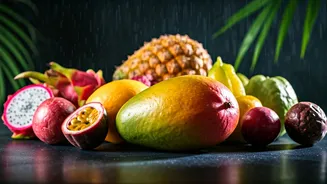




Mango: The King of Tropical Fruit
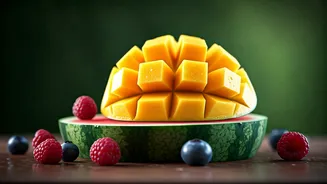
Mangoes are the poster child for sunny, tropical flavors, and their peak season often aligns with the monsoons in their native South and Southeast Asia. This is when the trees, drenched in rain and humidity, produce the sweetest, most succulent fruit.
When you see a bounty of mangoes in your U.S. grocery store from late spring through summer, you're tapping into that peak harvest. **How to Choose:** Don't judge a mango by its color; redness is not always an indicator of ripeness. Instead, focus on feel and smell. A ripe mango will give slightly when you gently press it, similar to a peach or avocado. It should also have a strong, sweet, and fragrant aroma at its stem end. If it smells slightly fermented or alcoholic, it's overripe. If it’s rock-hard and has no scent, it needs a few days on your counter.
Papaya: The Versatile Melon
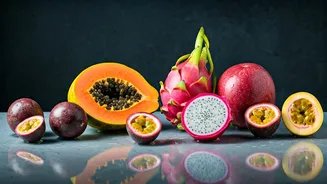
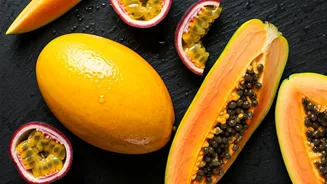
Available year-round but thriving in rainy, humid climates, papayas offer a taste of the tropics that can be sweet or savory depending on ripeness. The large Maradol papayas from Mexico and Central America are a common sight in American markets, boasting buttery, reddish-orange flesh. **How to Choose:** Look for skin that is mostly yellow or orange-yellow. Green patches are fine if you plan to let it ripen at home for a few days, but avoid any with deep bruises or moldy spots. A ripe papaya should yield to gentle pressure. The classic sign of a sweet, ready-to-eat papaya is its musky, sweet fragrance. If it has no smell, it’s not ready. Enjoy it cubed with a squeeze of lime juice or blended into a smoothie.
Passion Fruit: The Wrinkled Wonder
Don’t let its appearance fool you. A smooth, beautiful passion fruit is actually underripe and will be intensely tart. The magic happens when the fruit ripens and the skin becomes dimpled and wrinkled. These fruits grow on a vine that loves rainfall, and their peak availability often coincides with summer and fall. **How to Choose:** The perfect passion fruit feels heavy for its size, which indicates it’s full of juicy pulp. Look for a deep purple or yellow shell (depending on the variety) that is noticeably wrinkled and dimpled. A smooth-skinned fruit will ripen on your counter, but it’s not ready to eat just yet. To enjoy, simply slice it in half and scoop out the pulp and seeds with a spoon. It's a fantastic topping for yogurt or ice cream.
Lychee: The Sweet, Floral Jewel
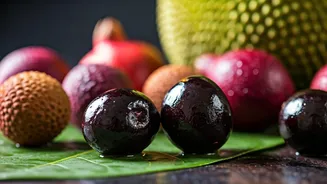
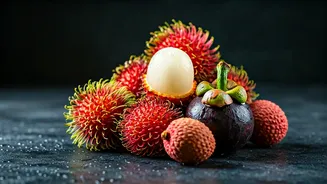
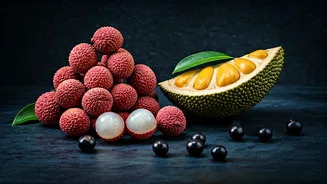
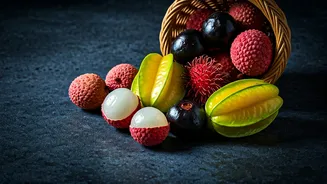
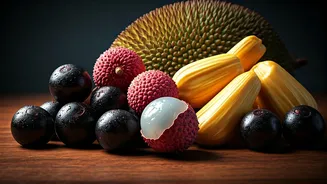
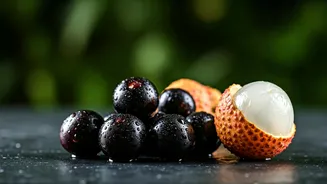
When lychees appear in late spring and early summer, it’s a special occasion. These small, round fruits grow in clusters on trees that require a hot, rainy summer to produce their famously sweet, floral, and aromatic flesh. Originally from Southern China, they are now grown in Florida and imported from Mexico. **How to Choose:** A fresh lychee has a vibrant, reddish-pink bumpy shell. Avoid lychees with dull, brown, or cracked shells, as they are likely old or dried out. The fruit should feel firm but give just a little when squeezed. To eat, peel away the inedible skin with your thumbnail to reveal the translucent white flesh inside. Just be sure to spit out the single, large, glossy brown seed in the center.
Jackfruit: The Gentle Giant
The world's largest tree fruit, jackfruit thrives in the intense heat and monsoonal rains of its native India and Southeast Asia. Increasingly popular in the U.S., it’s sold both fresh and in convenient cans. When ripe, its pods have a unique flavor often described as a mix of banana, pineapple, and mango. Unripe, it has a neutral taste and a meat-like texture, making it a popular plant-based substitute for pulled pork. **How to Choose:** Buying a whole, spiky jackfruit is a commitment. If you do, look for one that yields to pressure and has a strong, sweet, almost funky aroma. For an easier route, look for pre-cut sections or packaged pods in the refrigerated section of your grocery or local Asian market. The pods should be bright yellow and plump, not gray or slimy.