





1. Embrace the 'Off-Season' Advantage
The single biggest money-saver for monsoon travel is that it's considered the “off-season” for many popular destinations. This translates to significant financial benefits for you. Hotels and resorts, from luxury properties to cozy homestays in places
like Goa, Kerala, or Rajasthan, often slash their rates, sometimes by nearly half. This is your chance to stay in a place that might be out of your budget during the crowded winter months. Airlines also tend to offer lower fares. Beyond just accommodation, you'll find that everything from local sightseeing to shopping can be more affordable. With fewer tourists, local vendors and operators may be more willing to offer better deals.
2. Choose Your Destination Wisely
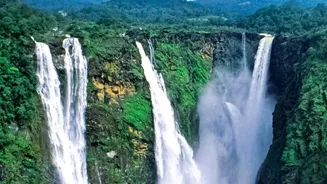
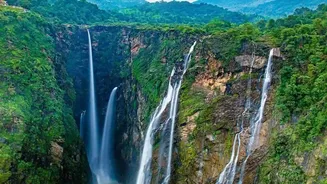
Not all destinations are created equal in the rain. While some areas can be prone to landslides or flooding, others are transformed into lush, green paradises. Hill stations like Munnar, Coorg, Lonavala, and Kodaikanal become exceptionally beautiful, with misty mountains and roaring waterfalls. The backwaters of Kerala offer a dreamy, tranquil experience, and many Ayurvedic resorts even have special monsoon wellness packages. In regions like Rajasthan, which receive minimal rainfall, you can explore historic forts without the scorching summer heat or peak-season crowds. Research is key; opt for locations where the rain enhances the beauty rather than hindering the experience, and you'll be rewarded with stunning landscapes and lower costs.
3. Master Flexible Booking and Independent Planning
While booking accommodations in advance is wise to secure the best deals, flexibility is your greatest asset. Instead of locking into rigid, pre-packaged tours, consider booking your stays and transport independently. This gives you the freedom to adapt if heavy rain changes your plans for a day. Look for hotels with favourable cancellation policies. When it comes to transport, using public options like trains or buses is often more economical and reliable during uncertain weather. Booking train tickets in advance can secure comfortable and affordable travel, insulating you from the weather outside without breaking the bank. This independent approach ensures that a sudden downpour doesn't wash your money away with a cancelled, non-refundable activity.
4. Pack Smart to Avoid Unexpected Costs
A well-packed bag can save you from costly last-minute purchases at your destination. The essentials for a monsoon trip are all about staying dry and comfortable. A lightweight, breathable waterproof jacket and a sturdy umbrella are non-negotiable. Opt for quick-dry clothing made from fabrics like polyester or nylon, and pack clothes that you don't mind getting a little damp. Waterproof footwear, like rubber sandals or floaters, is crucial to keep your feet dry and avoid ruining expensive shoes. Most importantly, protect your electronics. Waterproof bags or pouches for your phone, camera, and power bank are essential to prevent damage that could lead to expensive repairs or replacements. Carrying a reusable water bottle can also help you save money and reduce plastic waste.
5. Make the Journey Part of the Destination
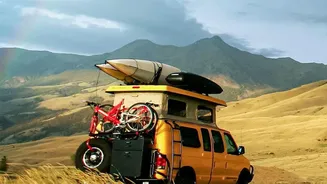
Monsoon is the perfect time for a road trip, where the journey itself becomes a highlight. Driving through rain-washed landscapes offers a front-row seat to nature’s revival, turning dry lands into emerald-green vistas. Routes through the Western Ghats, such as from Mumbai to Lonavala or Bengaluru to Ooty, are particularly scenic. Road trips provide ultimate flexibility and can be more budget-friendly, especially when travelling in a group. You can save on fuel and toll costs while enjoying the freedom to stop at will to admire a hidden waterfall or enjoy hot pakoras from a roadside stall. Thinking of monsoon travel as slow travel allows you to embrace the pace set by the weather, creating a more relaxed and immersive experience.