

Embrace the 'Landing Strip'
Every home, regardless of size, benefits from a “landing strip.” This is a designated spot right by the entrance where you can drop your daily essentials the moment you walk in. Think keys, wallet, mail, and sunglasses. In a small home, this prevents
entryway clutter from migrating onto kitchen counters and dining tables. You don't need a grand foyer; a narrow console table, a small wall-mounted shelf with hooks, or even a designated tray on a bookshelf can serve this purpose. The goal is to create a habit: everything you need when leaving the house lives here, and everything you bring inside has an immediate, temporary home, preventing chaos before it starts.
Create a Mini Command Centre
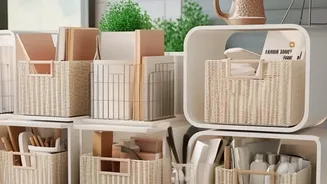
A command centre is the organisational heart of your home, and it doesn’t require an entire room. It can be a small section of a wall in the kitchen or a hallway. This is where you centralise planning and administrative tasks. Use a combination of a small whiteboard or chalkboard for reminders, a calendar for schedules, a pinboard for important papers, and a few file holders for bills and mail. By consolidating these items, you create a single point of reference for the household, which means less time spent searching for that lost electricity bill or a school permission slip. For very small spaces, the inside of a cabinet door can be transformed into a hidden but highly effective command centre.
The Power of Multi-Functional Furniture
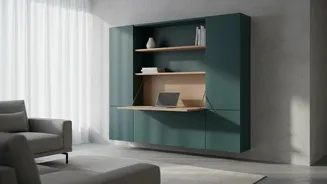
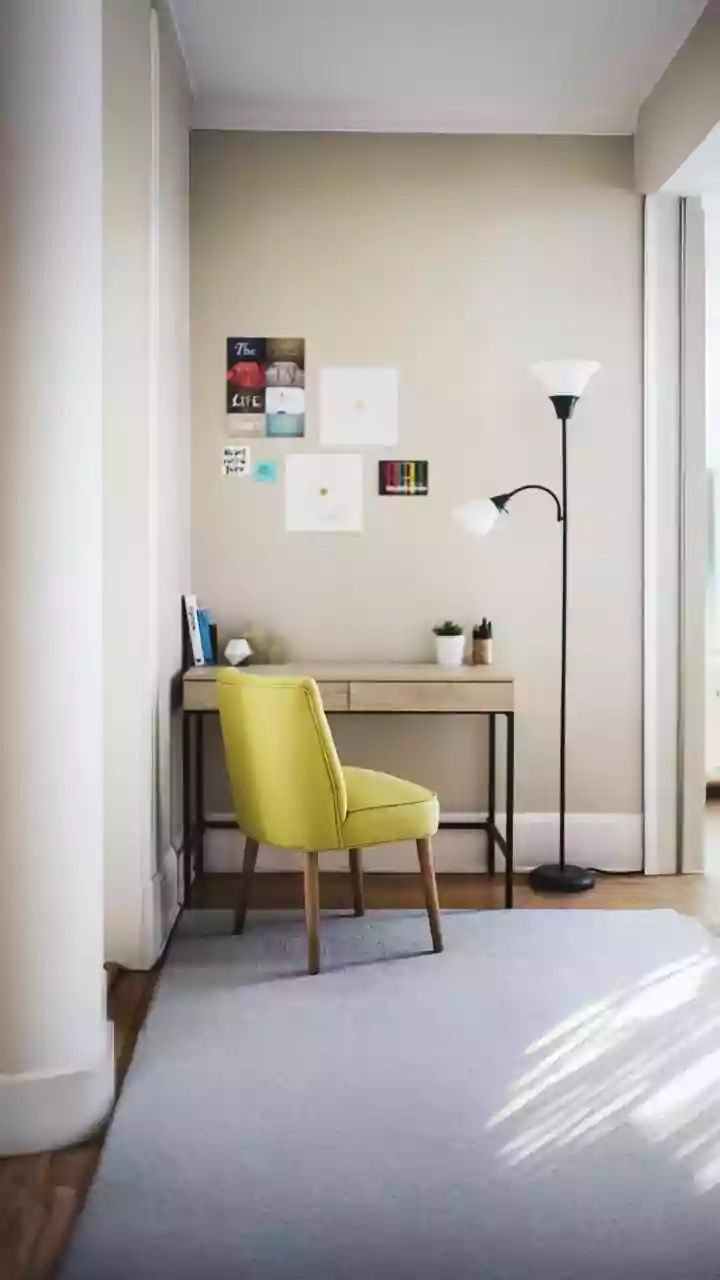
When one space has to perform many duties, your furniture must do the same. This is where multi-functional pieces become your greatest asset. A coffee table with hidden storage can hide magazines and remote controls. A storage ottoman provides extra seating while concealing blankets or board games. In India, the sofa-cum-bed has long been a staple of space-saving living, instantly turning a living room into a guest room. Similarly, an extendable dining table can be kept compact for daily meals and expanded for guests, while a wall-mounted, foldable desk provides a dedicated workspace that disappears when the workday is over.
Go Vertical with Smart Storage
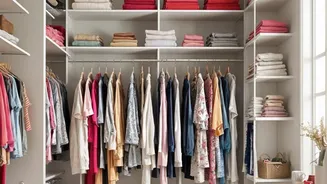
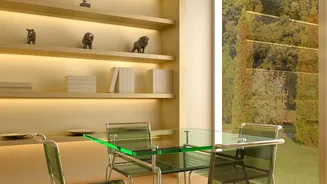
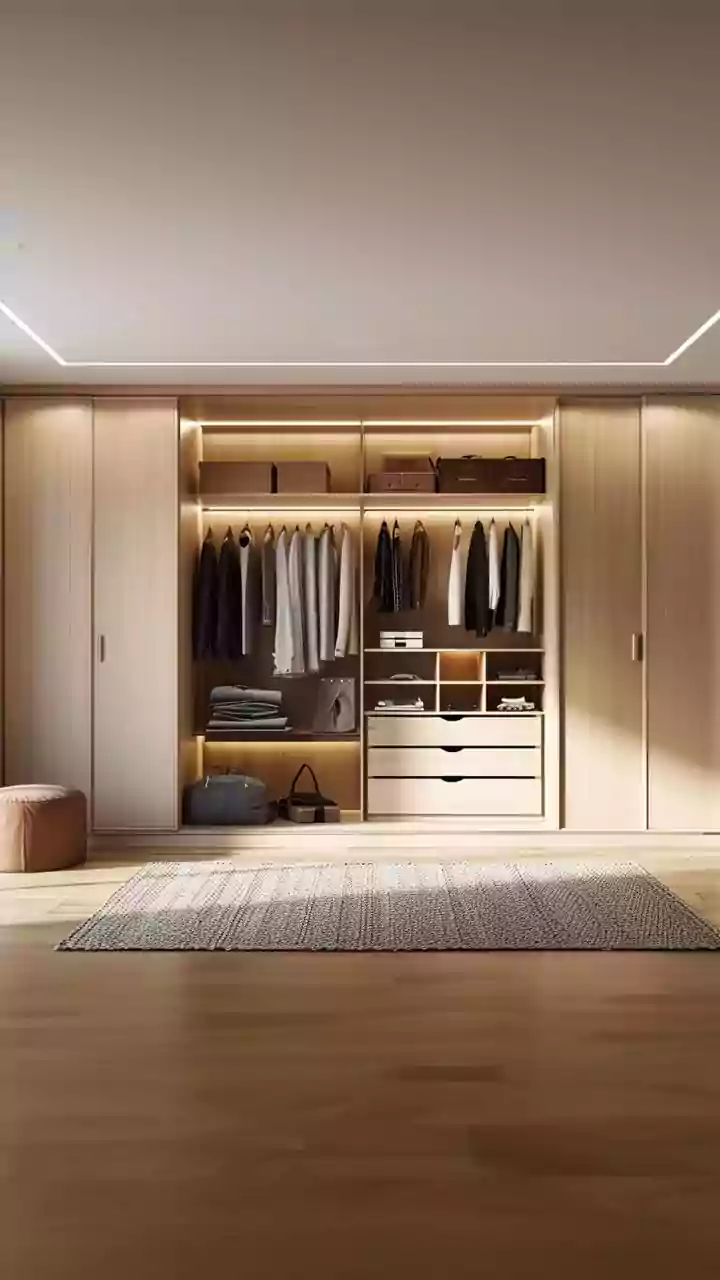
In a compact home, the walls are your best friend for storage. When you can't build out, you must build up. Installing floating shelves or tall, narrow bookcases draws the eye upward and provides ample storage for books, decor, and essentials without taking up valuable floor space. Consider using pegboards in the kitchen or study for flexible, customisable storage that can change as your needs do. The key is to get items off the floor and surfaces, which instantly makes a space feel larger and keeps your multi-purpose zone clear and ready for its next function.
Define Your Zones Visually
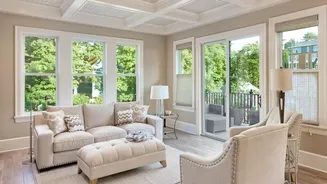
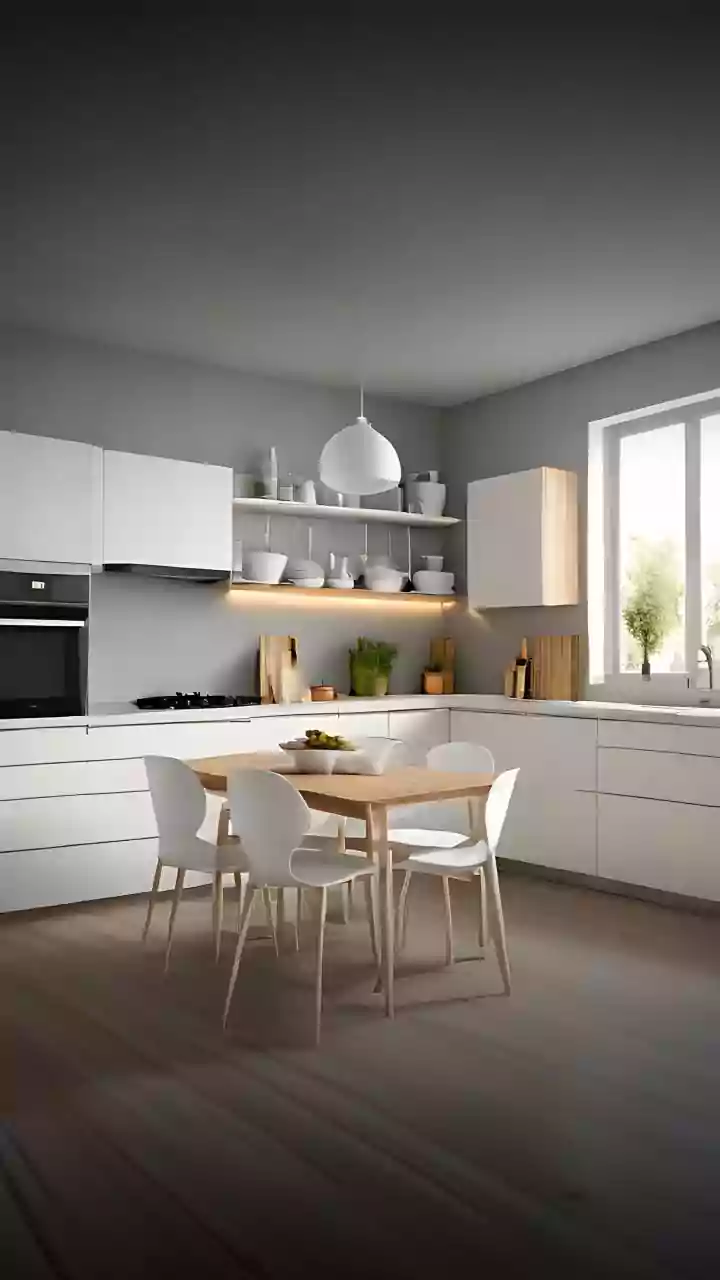
Even in a single, open-plan room, you can create the feeling of separate areas. This practice, often called zoning, uses visual cues to signal a change in function. An area rug is one of the most effective tools for this; placing a rug under your seating arrangement defines the living area, while a different rug can mark out the dining space. You can also use furniture placement, like the back of a sofa, to create a natural partition. Strategic lighting, such as a pendant lamp over a dining table or a floor lamp in a reading corner, can also help delineate zones. This creates psychological boundaries that make a single room feel more organised and intentional.