





Udaipur, Rajasthan: The City of Lakes Reborn
While Rajasthan is known for its arid landscapes, the monsoon paints Udaipur in entirely new colours. The city’s famous lakes, like Pichola and Fateh Sagar, fill to the brim, reflecting the majestic palaces and overcast skies. The unbearable summer heat
gives way to pleasant temperatures, generally ranging from 25°C to 35°C, making it ideal for sightseeing. A boat ride on a rain-swept Lake Pichola is a poetic experience, and the view from the aptly named Sajjangarh Monsoon Palace, perched high above the city, is nothing short of spectacular as clouds roll over the Aravalli hills. With fewer tourists than in the peak winter season, you can explore the City Palace and winding heritage lanes at a leisurely pace.
Shillong & Cherrapunji, Meghalaya: In the Abode of Clouds
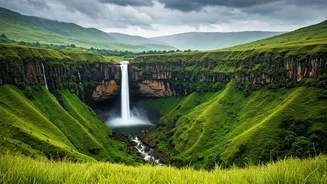
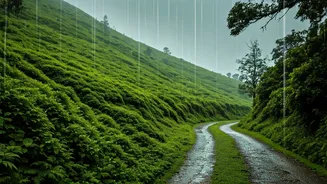
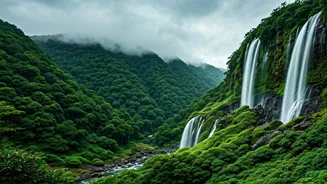
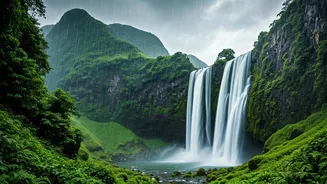
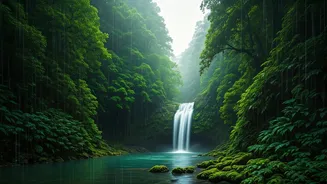
For a quintessential monsoon experience, head to Meghalaya, the ‘abode of clouds’. July is when this region receives heavy rainfall, transforming it into a dramatic landscape of gushing waterfalls and mist-covered valleys. The drive from Shillong, the charming capital, to Cherrapunji is an adventure in itself, with roads that seem to disappear into the clouds. The waterfalls, which are the main highlight, are at their most powerful and magnificent state. Witness the stunning Seven Sisters Falls and Nohkalikai Falls in their full, roaring glory. The cool, crisp air and the unparalleled greenery make it one of India's most rewarding monsoon destinations for nature lovers.
Coorg, Karnataka: The Scotland of India in Full Bloom
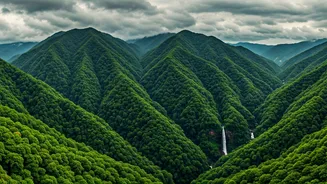
Known as the “Scotland of India,” Coorg in Karnataka is a paradise for nature lovers during the monsoon. The entire region is blanketed in countless shades of green, from its famous coffee plantations to its dense forests. The rain brings the waterfalls to life, with Abbey Falls and Iruppu Falls becoming spectacular sights. The cool, misty weather is perfect for trekking, exploring spice plantations, or simply relaxing with a cup of locally grown coffee. For the more adventurous, the Barapole River offers thrilling white-water rafting opportunities as the monsoon swells its rapids. A 2-4 day trip is usually ideal to soak in the serene beauty and explore the main attractions like Raja's Seat and Mandalpatti.
Munnar, Kerala: Tea Gardens in the Mist
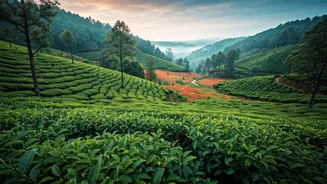
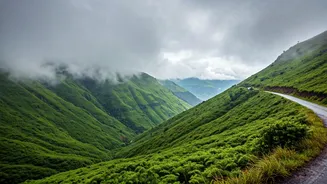
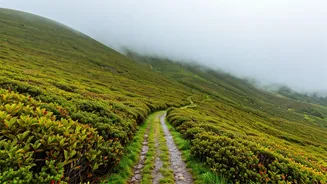
Munnar in July is a dreamscape of mist-covered hills and verdant tea gardens. The monsoon showers wash the landscape clean, leaving it sparkling and vibrant. While it is one of the wettest months, the rain enhances the beauty of this Kerala hill station, making its waterfalls, like Attukal and Lakkom, even more enchanting. The temperature is cool and pleasant, perfect for cozying up in a resort overlooking the plantations. A visit to the Mattupetty Dam, where you can enjoy boat rides amidst the scenic hills, or a drive to Top Station for panoramic views of the Western Ghats are must-do activities.
Valley of Flowers, Uttarakhand: A Himalayan Spectacle
For trekkers and nature enthusiasts, there is no place more magical in July than the Valley of Flowers National Park. This UNESCO World Heritage Site, nestled in the Himalayas, bursts into a riot of colour during the monsoon. Mid-July to mid-August is considered the absolute best time to visit, as hundreds of species of alpine flowers bloom, creating a vibrant natural carpet. The trek to the valley, starting from Govindghat, is an adventure in itself, taking you through stunning landscapes. The cool weather, with temperatures between 13°C and 20°C, is ideal for hiking, though you should be prepared for rain. It’s a truly unique experience to witness this high-altitude valley in its full floral glory.