







The Science of Sweat
Your body has a brilliant cooling system: sweating. As you run, your internal temperature rises, and your body produces sweat. The magic happens when this sweat evaporates from your skin, a process that releases heat and cools you down. This system works
beautifully in dry conditions, allowing your body to efficiently regulate its temperature. However, the effectiveness of this natural air conditioner depends entirely on the air's ability to absorb the moisture from your skin. When the air is already full of water vapour, this process grinds to a halt.
Why Humidity Is the Real Enemy
High humidity means the air is already saturated with moisture. When you run, the sweat on your skin has nowhere to go. Because evaporation is significantly reduced, your body can't cool itself effectively. Instead of evaporating, sweat drips off you, doing little to lower your core temperature. This forces your body to work overtime. Your heart rate increases as your system tries harder to cool down by pumping more blood to the skin. An increase of 10 beats per minute is common when humidity is high. This extra physiological strain is why a familiar pace can suddenly feel intensely difficult.
The Deceptive Evening Run
Many runners logically assume that an evening run will be easier because the temperature is lower than in the afternoon. While the thermometer might show a pleasant drop, the humidity often doesn't follow suit. As air cools at night, its capacity to hold water decreases. This causes the relative humidity to increase, even if the actual amount of moisture in the air stays the same. This phenomenon, known as the evening humidity trap, creates a 'feels like' temperature that is far more challenging than the number on your weather app suggests, making your run feel muggy and strenuous.
Pay Attention to Dew Point
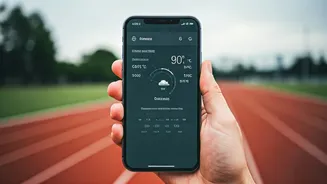
For a more accurate gauge of how a run will feel, many experts suggest looking at the dew point instead of just the relative humidity. The dew point is the temperature at which air becomes 100% saturated. Unlike relative humidity, it’s an absolute measure of moisture in the air. A dew point below 13°C is generally comfortable for running. Once it climbs above 18°C, you'll feel the stickiness, and paces will need adjustment. When the dew point exceeds 21°C, conditions become oppressive, and it's wise to focus on effort rather than speed.
How to Run Smarter, Not Harder
Running in humidity requires strategic adjustments. First, slow down. Accept that your pace will be slower and run based on your perceived effort, not what your watch says. Consider shorter, less intense runs until your body acclimates, which can take about two weeks. Choose lightweight, moisture-wicking clothing in light colours to help reflect heat. Cotton is a poor choice as it traps moisture. Hydration is also critical. Drink water throughout the day, not just before your run. For longer or particularly sweaty runs, incorporate an electrolyte drink to replenish the salts lost through sweat.
Know the Warning Signs
Pushing too hard in humid weather can lead to serious heat-related illnesses. It's vital to know the symptoms of heat exhaustion, which include heavy sweating, dizziness, headache, nausea, and cool, clammy skin. If you experience these, stop running, move to a cool place, and sip water. Heat exhaustion can progress to heatstroke, a medical emergency. The warning signs of heatstroke include a high body temperature (above 103°F), confusion, slurred speech, and hot, dry skin (though you may still be sweating). If you suspect heatstroke, seek immediate medical attention.