


A Landmark Handshake in Space
The foundation of this new era in space collaboration was solidified when India became a signatory to the Artemis Accords in 2023. These accords are a US-led set of principles designed to guide civil space exploration, ensuring it remains peaceful, transparent,
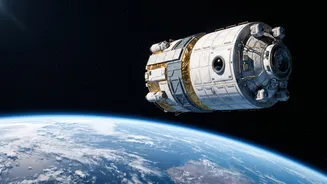
and cooperative. By joining, India moved from a path of largely independent space exploration to one of strategic global engagement, ensuring it would not be technologically isolated. This agreement set the stage for more ambitious joint ventures. A key early success was the joint mission to the International Space Station (ISS), which saw an Indian astronaut travel to the orbiting lab in 2025 after training at NASA's Johnson Space Center. This mission served as a crucial trust-building exercise, proving that the two agencies could seamlessly integrate their personnel and protocols.
The Direct Path to the Moon
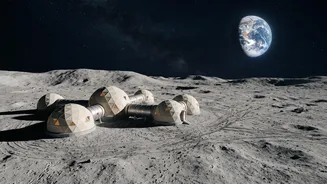
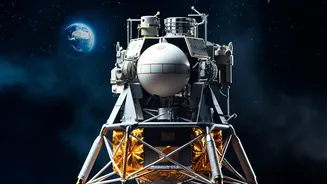
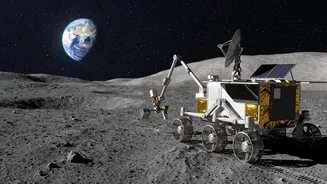
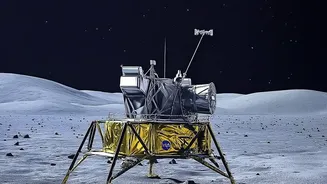
The most exciting prospect of this partnership is the potential for an Indian astronaut to walk on the Moon. Building on the Artemis Accords, NASA formally invited ISRO in August 2026 to join its Moon Base program, an ambitious project to establish a permanent human outpost near the lunar south pole. This invitation goes beyond just sharing data; it signals an intent to include international partners in the core infrastructure of sustained lunar presence. For future Indian astronauts, this could mean access to NASA's advanced training facilities, deep spaceflight systems, and a confirmed seat on a mission to the lunar surface. The collaboration provides a clear pathway for members of India's Gaganyaan astronaut corps to gain invaluable experience, first on the ISS and then potentially on missions that will build and inhabit the lunar base.
More Than Just a Moonshot
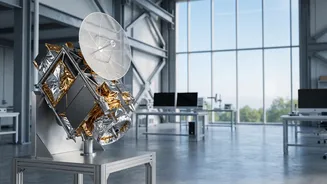
The ISRO-NASA relationship is built on a broad foundation of scientific and technological cooperation that extends beyond human spaceflight. The most prominent example is the NASA-ISRO Synthetic Aperture Radar (NISAR) mission. Launched in July 2025, this sophisticated Earth-observation satellite is the first major joint hardware collaboration between the two agencies and is already providing crucial data on climate change, natural hazards, and changes to the Earth's surface. The success of the NISAR project, a mission with a cost of approximately $1.5 billion, demonstrated that the two organizations can work together on complex, long-term engineering challenges. This deepens the trust required for even more critical missions, such as those involving human lives, and fosters interoperability between their respective technologies and systems.
Accelerating India's Gaganyaan Program
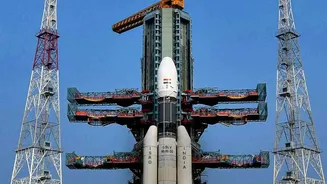
While the prospect of an Indian on the Moon via a NASA mission is thrilling, the collaboration also provides a significant boost to ISRO's indigenous human spaceflight program, Gaganyaan. The training Indian astronauts receive at NASA for missions like the ISS trip directly feeds back into ISRO's own development. Astronauts are familiarized with international protocols, advanced life-support systems, and mission management for long-duration flights, insights that are invaluable as India prepares for its own crewed orbital missions. Furthermore, the Artemis Accords facilitate access to shared scientific data and global best practices in astronaut safety, which can help strengthen and de-risk the Gaganyaan project. This allows ISRO to leapfrog certain developmental hurdles and enhance the capabilities of its own astronaut training facilities, like the one being built in Sriharikota.