





The Foundation: A Dry, Comfortable Rug
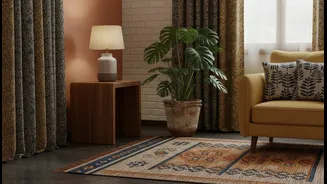
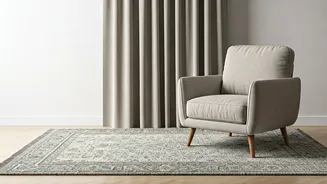
The first step in creating a cosy nook is grounding it with a rug. But not just any rug will do—it must be dry. A damp or musty rug is the enemy of comfort, introducing unpleasant odours and a clammy feeling that defeats the purpose of a relaxing space.
In a humid climate like India's, this is especially crucial. Moisture trapped in rug fibres can lead to mildew and bacteria, which can affect both health and home hygiene. To avoid this, choose your material wisely. Synthetic options like polypropylene and polyester are excellent as they are moisture-resistant and dry quickly. Natural fibres such as jute and certain flatweaves are also good for allowing air circulation. Wool can be a luxurious choice, but it requires a well-ventilated or air-conditioned room to prevent it from retaining moisture. Regardless of the material, regular care is key. A 'no shoes' policy can significantly reduce the amount of dirt and moisture tracked onto your rug. Weekly vacuuming and ensuring any spills are blotted immediately will preserve its life and freshness.
The Mood: Soft, Layered Lighting
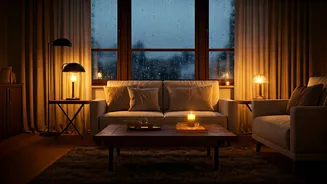
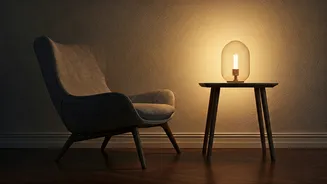
Lighting is perhaps the most powerful tool for setting a mood. Harsh, overhead fluorescent light is jarring and clinical, while soft, warm light feels inviting and calm. The secret to perfect cosy lighting is layering. Instead of relying on a single bright ceiling light, a well-designed space combines three types of lighting: ambient, task, and accent. Ambient light provides overall, general illumination. For a cosy corner, this could be a floor lamp with a fabric shade that diffuses light gently throughout the space. Task lighting is more focused, designed for specific activities like reading. An adjustable table lamp or a wall-mounted sconce directed at your book is ideal. Accent lighting adds a touch of magic, highlighting features you love, like a piece of artwork or a plant. Think about fairy lights draped over a bookshelf or a small, decorative lantern. The colour temperature of your bulbs is also critical. Opt for bulbs in the warm white range, around 2700K to 3000K, to create that signature golden glow that promotes relaxation and reduces eye strain.
The Breath of Fresh Air: Real Ventilation
The final, often-overlooked element of a truly comfortable space is proper ventilation. A stuffy, stagnant room feels oppressive and can negatively impact both mood and health. Good ventilation is not just about temperature control; it's about maintaining indoor air quality by removing pollutants, controlling humidity, and circulating fresh air. This continuous airflow prevents the buildup of dust, allergens, and moisture that can lead to mould. In the Indian context, traditional architectural features like courtyards and 'jaali' screens were designed specifically to encourage natural airflow. You can apply these principles in your own home. The most effective strategy is cross-ventilation, achieved by opening windows or vents on opposite sides of a room to create a natural breeze. Even simply using a ceiling fan or a quiet pedestal fan can make a significant difference by keeping the air moving. For homes in more polluted urban areas, an air purifier can also serve the dual purpose of cleaning the air while keeping it circulating, ensuring your corner is a true breath of fresh air.