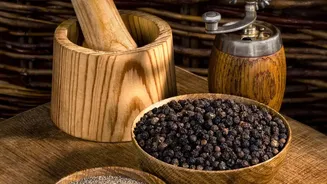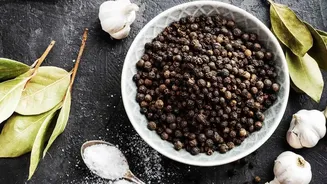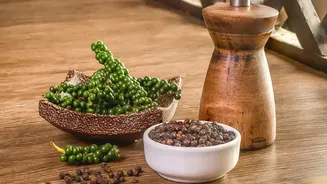


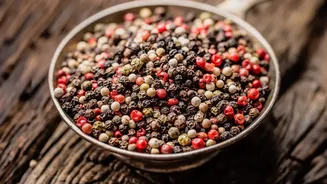
Kali Mirch, or black pepper, is the undisputed 'king of spices' in many Indian kitchens. But its high value makes it a target for adulteration. Here’s how you can spot fakes and ensure the pepper in your jar is pure, safe, and flavourful.
The Most Common Imposters
Adulteration
in whole black pepper often involves bulking it up with cheaper substances that look similar at a glance. The most common culprit is dried papaya seeds. These seeds, once dried, resemble black peppercorns in size and colour but cost significantly less. Other frequent adulterants include 'light berries', which are immature or hollow peppercorns that lack flavour, and sometimes even a coating of mineral oil to give a uniform, shiny appearance. While ground pepper can be mixed with things like sawdust or bran, spotting fakes in whole peppercorns is much easier to do at home.
The Simple Water Float Test
The easiest and most reliable home test for black pepper purity involves a simple glass of water. According to the Food Safety and Standards Authority of India (FSSAI), this is a key method for identifying papaya seeds. Just drop a spoonful of your whole peppercorns into a glass of plain water and wait a minute. Good quality, dense black peppercorns will sink to the bottom. Adulterants like papaya seeds and hollow, light berries are less dense and will float on the surface. If you see a significant number of 'floaters', it’s a strong indication that your pepper may be adulterated.
A Closer Look: Texture and Shape
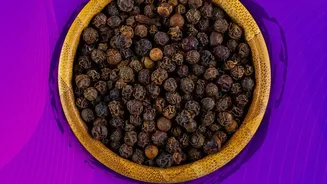
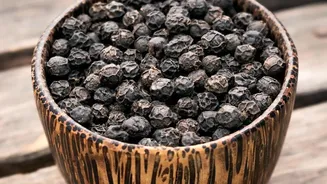
After the float test, take a closer look at the peppercorns, especially any that floated. You can spread them on a white plate for better visibility. Genuine black pepper has a distinctly wrinkled, rough surface. Papaya seeds, on the other hand, tend to be more oval-shaped with a smoother, shrunken surface. They often appear greenish-brown or blackish-brown. Once you see the two side-by-side, the difference in texture becomes much clearer. A magnifying glass can be a helpful tool for this inspection.
The Press and Smell Test
Your senses of touch and smell are also powerful tools. Take a few peppercorns and press them firmly with your finger or thumb. A mature, high-quality peppercorn is hard and will not break easily. Lighter, immature berries or adulterants will often crumble under pressure. Papaya seeds, being softer, will crush into a mushy, yellowish-brown powder with a repulsive taste, while real pepper breaks into aromatic, oily fragments. Another test is to check for a mineral oil coating, which is sometimes used to make the pepper look shiny. Rub a handful of peppercorns in your palms. If you detect a faint smell of kerosene or petroleum, it’s a sign they may have been coated. Pure pepper should only have a sharp, pungent, and spicy aroma.
Why Buying Whole Is Better
While convenient, pre-ground black pepper is much more susceptible to adulteration with things like sawdust, bran, or starches, which are impossible to spot with the naked eye. The best way to ensure the purity of your pepper is to buy whole peppercorns from a trusted source and grind them at home as needed. This not only protects you from potential adulterants but also guarantees the freshest, most potent flavour in your cooking. Always be wary of peppercorns that are sold at an unusually low price or have an unnatural, overly glossy finish, as these can be red flags.