





The Dangers of Downpours for Potted Plants
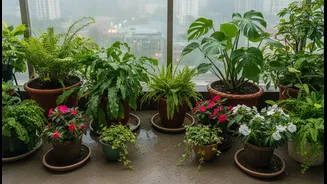
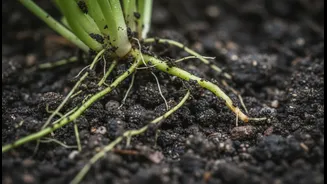
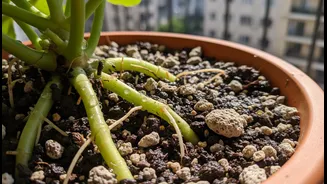
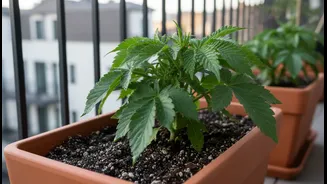
Balcony plants are uniquely vulnerable to heavy rainfall. Unlike plants in the ground, their roots are confined to a small space. During a downpour, this space can quickly become waterlogged, meaning the soil is completely saturated. When this happens,
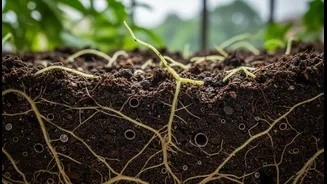
air pockets disappear, and the roots can no longer breathe. This oxygen deprivation can lead to root rot, a fungal disease that is often fatal. Symptoms include wilting leaves even when the soil is wet, yellowing foliage, and a sour smell from the pot. Furthermore, constant, heavy rain leaches essential nutrients from the soil, washing away the food your plants need to thrive.
Your Soil Amendment Toolkit
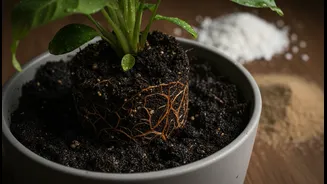
The key to protecting your plants is to create a soil mix that drains freely. You don't need to completely replace the soil; you can amend what's already there. The goal is to improve its structure and aeration. Key materials include: Perlite or Pumice, which are lightweight volcanic rocks that create air pockets in the soil, dramatically improving drainage. Coarse sand can also be added to improve porosity. Coconut coir or coco peat is excellent for adding structure and retaining moisture without becoming waterlogged. Finally, a good quality compost or vermicompost will replenish nutrients and improve the overall soil health.
How to Gently Amend Your Soil
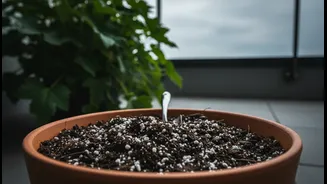
Amending the soil of an already-potted perennial requires a gentle touch to avoid shocking the plant. You don't need to do a full repot. Start by carefully scraping off the top 2-3 inches of old soil with a hand trowel. In a separate bucket, mix a fresh batch of your old topsoil with your chosen amendments. A good ratio to aim for is roughly two parts soil to one part amendment (like perlite or compost). Gently work this new, improved mix back into the top of the pot, being careful not to pile it up against the plant's stem. You can also carefully poke deep holes around the edge of the pot with a stick or skewer and fill them with your amendment mix to improve drainage deeper down.
Beyond the Soil: Essential Monsoon Prep
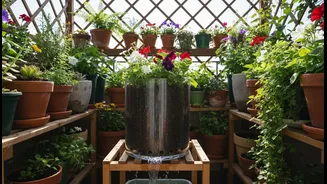
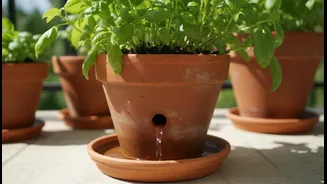
Amending the soil is the most important step, but a few other measures can make a big difference during the stormiest parts of the season. First, ensure every pot has clear, unobstructed drainage holes. If a pot doesn't have them, it's not suitable for the rainy season. Elevate your pots using pot feet, bricks, or simple stands. Lifting them even an inch off the ground prevents the drainage holes from being sealed by the balcony floor and allows air to circulate underneath. For particularly intense storms, consider temporarily moving very delicate or valuable plants to a more sheltered spot. Finally, stop all manual watering; let the rain do the work.
Replenishing Nutrients After the Rain
Even with perfect drainage, very heavy and sustained rainfall will wash some nutrients out of the pot. Once there's a break in the weather and the soil has had a chance to dry slightly, it's a good idea to replenish what was lost. You can do this by adding a thin top layer of fresh compost or vermicompost. Alternatively, a dose of a balanced liquid fertiliser can give your plants a much-needed boost. This simple feeding helps ensure that your perennials not only survive the monsoon but have the energy to produce lush growth and beautiful blooms once the sun returns.