


Start by Shopping Your Own Kitchen
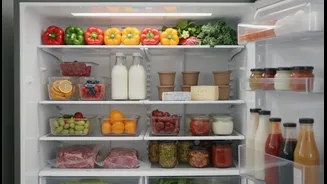
The most effective way to begin any meal plan is not with a trip to the grocery store, but with a tour of your own kitchen. Before you write a shopping list, take a quick inventory. What’s in the fridge that needs to be eaten in the next few days? Check
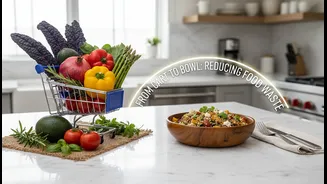
the vegetable crisper for greens that are starting to wilt and dairy products nearing their expiry dates. Then, move to the pantry. Look for those open bags of atta, rice, lentils, and boxes of masala that you might have forgotten about. The goal is to build your first few meals of the week around ingredients you have already paid for. This simple shift in perspective—from buying new to using what you have—is the foundation of a less wasteful and more organised kitchen.
Prioritise Perishables and Leftovers
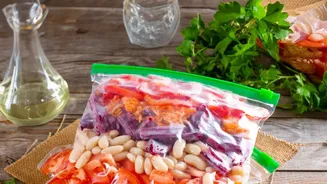
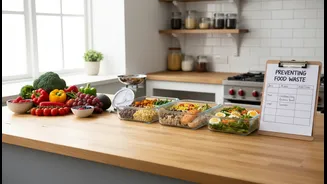
Once you have a mental list of what's on hand, prioritise items that will spoil first. That half a cabbage, the leftover cooked chicken from Sunday, and the small portion of yoghurt are your primary ingredients. Planning your meals around these perishables ensures they get used at their peak instead of being forgotten in the back of the fridge. Think of leftovers not as a sad repeat meal, but as pre-prepped ingredients. That leftover chicken can be shredded for sandwiches or added to a quick fried rice. The remaining vegetables can become the base for a mixed vegetable curry, a frittata, or a hearty soup. Planning for these 'planned-overs' intentionally can drastically cut down on food waste.
Create a 'Use-It-Up' Zone
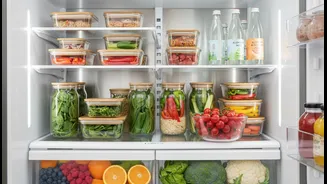
A practical way to keep track of these priority items is to create a dedicated 'use-it-up' basket or shelf in your fridge. Place any food that is approaching its expiration date, along with any leftovers, in this highly visible spot. Every time you open the fridge, you'll see a clear reminder of what should be eaten next. This simple organisational hack prevents food from getting lost and turning into a science experiment. You can do the same in your pantry for open packets of snacks, biscuits, or grains that you want to finish before opening something new. This makes the decision of 'what to cook' or 'what to snack on' much faster and more efficient.
Consolidate and Organise Your Pantry
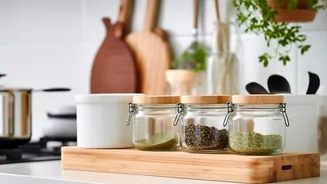
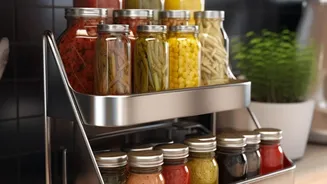
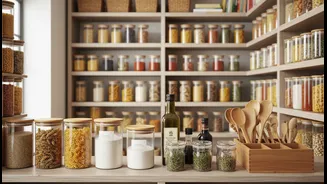
A cluttered pantry often leads to buying duplicates because you can't see what you own. As part of your weekly reset, take a few minutes to consolidate. If you have two half-empty bags of chana dal, combine them into one airtight container. Label your containers clearly. This not only makes your pantry look neater but also gives you an accurate sense of your inventory at a glance. When you bring new groceries home, practice the 'first-in, first-out' method. Place newer items behind the older ones, ensuring that food is used in the order it was purchased to prevent anything from expiring at the back of the shelf.
Turn Scraps into Kitchen Gold
Reducing waste goes beyond just using leftovers. Many of the vegetable scraps you normally throw away can be repurposed. Stems from coriander and mint can be blended into chutneys or used to flavour broths. Stale bread can be turned into croutons for soup or ground into breadcrumbs. Even the nearly empty jar of mustard or pickle can be transformed. Add some oil, vinegar, and seasoning to the mustard jar, shake it well, and you have a ready-made salad dressing. Getting creative with scraps not only stretches your budget but also adds new flavours and textures to your cooking in unexpected ways.