




The Practical Case for a Canine Raincoat
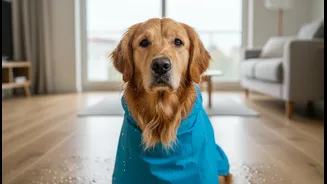
A dog raincoat is more than just a cute accessory; it’s a practical tool that offers numerous benefits during wet weather. Its primary job is to keep your dog's core dry, which is crucial for comfort and health. A soaked coat can lead to shivering and,
in some cases, lower a dog's resistance to respiratory issues. This is especially important for short-haired breeds, senior dogs, or those with less body fat who get cold easily. Beyond warmth, a raincoat drastically simplifies post-walk cleanup. By shielding your dog's back and belly from rain and mud splashes, you reduce the amount of dirt and water they track into the house. This also cuts down on the frequency of full baths, which can strip natural oils from their skin. The infamous "wet dog smell" is caused by bacteria and yeast on the skin multiplying in damp conditions. A quality raincoat helps keep the fur dry, mitigating this odour at the source. When choosing a coat, look for waterproof or water-resistant materials like nylon or polyester, not absorbent ones like fleece. A proper fit is essential; it should be snug enough to stay in place but not restrict movement. Features like adjustable straps and reflective trim for visibility in low light are also important considerations.
Why the Paws Remain a Problem
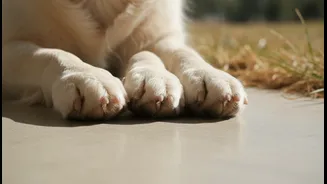
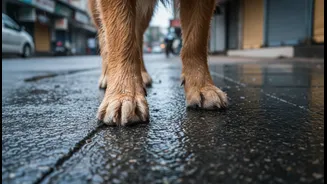
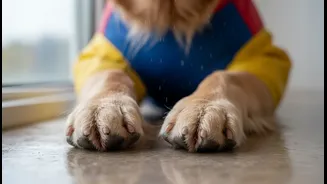
While a raincoat effectively covers your dog’s torso, their paws remain completely exposed. They are the primary point of contact with wet pavements, muddy trails, and dirty puddles. Each step exposes them to a cocktail of environmental irritants. During the monsoon, this exposure is constant and unavoidable. Puddles can harbour bacteria, parasites, and chemicals that you can't see. Even on a clean-looking street, rainwater mixes with everything on the ground. This moisture and grime gets trapped between your dog's paw pads and in the fur around them, creating a perfect breeding ground for trouble if not addressed immediately after every single walk. Simply letting your dog walk inside and air-dry is not enough; the moisture that lingers can weaken the skin and follicles, making them more susceptible to problems.
The Hidden Dangers of Damp Paws
Neglecting paw hygiene during the rainy season can lead to a host of painful and persistent health issues. The constant moisture creates an ideal environment for bacterial and fungal infections, such as yeast infections, which often present with a musty odour, redness, and incessant licking. This can escalate into pododermatitis, a painful inflammation of the skin on the paws. Trapped moisture between the toes can lead to irritation, hot spots (raw, inflamed sores), and discomfort that causes your dog to limp or excessively chew at their feet. Moreover, wet paw pads can become soft and more prone to cracking or injury from sharp objects hidden in mud or puddles. The damp, humid conditions are also peak season for pests like ticks and fleas, which thrive in such environments and can easily latch onto your dog's paws during a walk.
A Simple Daily Paw Cleaning Routine
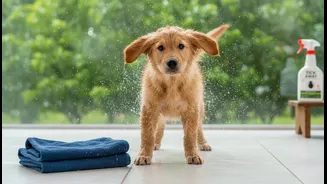
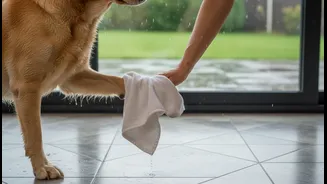
A consistent cleaning routine is non-negotiable. The goal is to clean and, most importantly, thoroughly dry your dog’s paws immediately after every walk. First, set up a cleaning station by your door with a towel, a basin of lukewarm water or pet-safe wipes, and another dry towel. As soon as you get inside, wipe each paw. For light dirt, a pet-safe wipe or a damp cloth is sufficient. For heavy mud, it’s best to dip each paw into the basin of water and gently wash away the grime. Pay special attention to the areas between the toes and around the nail beds, where mud and moisture love to hide. After washing, the drying step is critical. Use a clean, dry towel—microfiber towels are excellent for this—and make sure each paw is completely dry, especially between the pads. This simple five-minute ritual is one of the most effective ways to prevent infections.
Signs of Trouble and When to See a Vet
Regularly inspect your dog's paws for any signs of trouble. Things to watch for include persistent licking or chewing of the paws, redness or swelling, a foul odour, cracks or sores on the pads, and any limping or reluctance to walk. Discoloration of the skin or nails can also indicate a fungal or yeast infection. While a good home care routine can prevent most issues, you should never hesitate to consult your veterinarian if you notice any of these symptoms. Early intervention can prevent minor irritations from becoming serious, painful infections that require medical treatment. If your dog has long fur, keeping the hair around their paws trimmed short can also make cleaning easier and prevent excess moisture from being trapped.